





What's Happening?
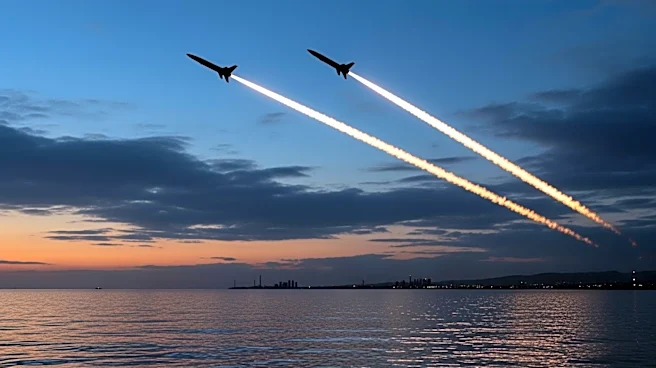
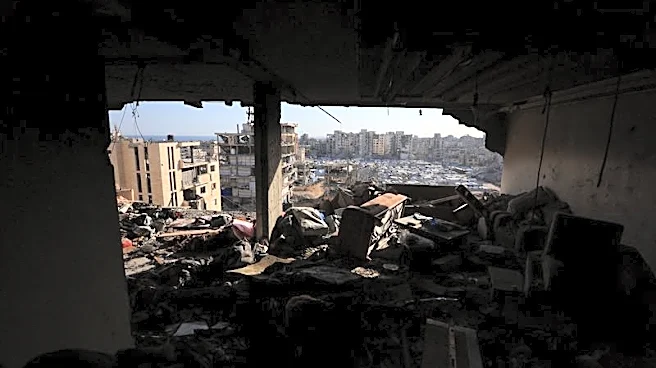
The U.S. government is contemplating the redirection of Iranian assets to fund reconstruction efforts in Gulf states affected by recent Iranian attacks. This decision follows a series of military escalations, including Iranian strikes on Kuwait and Bahrain,
and U.S. retaliatory actions targeting Iranian coastal sites. The U.S. Treasury, led by Secretary Scott Bessent, is assessing the costs of damages inflicted on Gulf allies and considering the use of Iranian assets for repairs. This development comes amid stalled peace negotiations, with Iran demanding the release of $24 billion in frozen assets as a condition for a peace deal. The situation remains tense, with both sides engaging in military actions despite ongoing diplomatic efforts.
Why It's Important?
The potential redirection of Iranian assets signifies a significant shift in U.S. strategy, potentially exacerbating tensions between the U.S. and Iran. This move could impact diplomatic relations and the fragile ceasefire in the region. The conflict has already disrupted global oil supply chains, contributing to rising oil prices and economic instability. The U.S. faces domestic pressure to resolve the conflict, as it affects gas prices and public opinion. The situation also highlights the geopolitical complexities in the Gulf region, where U.S. allies are directly impacted by Iranian actions. The outcome of these developments could influence future U.S. foreign policy and its approach to Middle Eastern conflicts.
What's Next?
The U.S. and Iran are likely to continue indirect negotiations, with potential mediation by Pakistan. The redirection of Iranian assets could provoke further Iranian retaliation, complicating peace efforts. The international community may respond to these developments, potentially influencing diplomatic relations and economic sanctions. The U.S. must balance its strategic interests in the region with domestic political pressures, as it seeks to stabilize the situation and prevent further escalation. The ongoing conflict could lead to broader regional implications, affecting global oil markets and international diplomatic efforts.