






What's Happening?
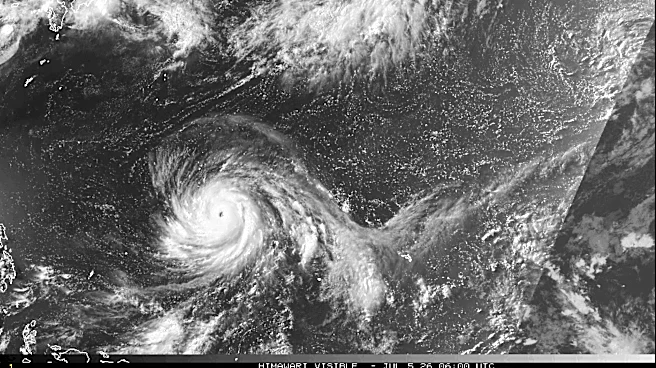
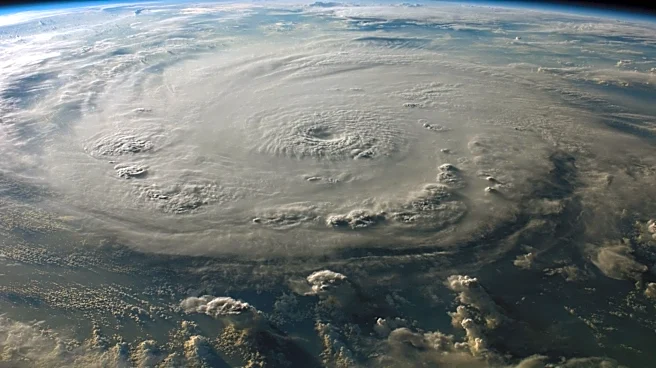
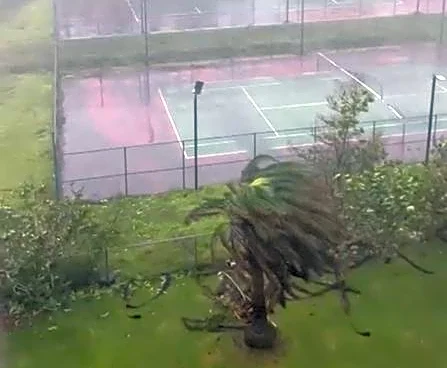
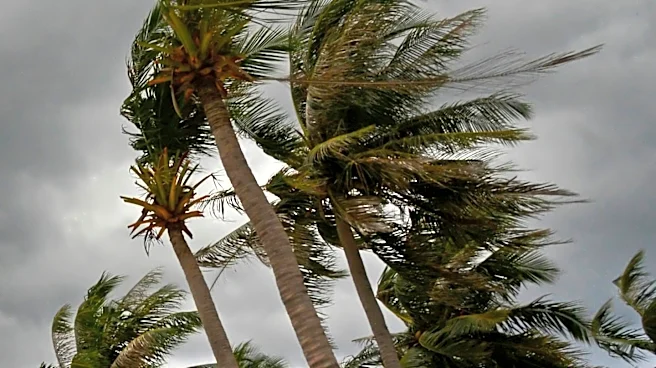
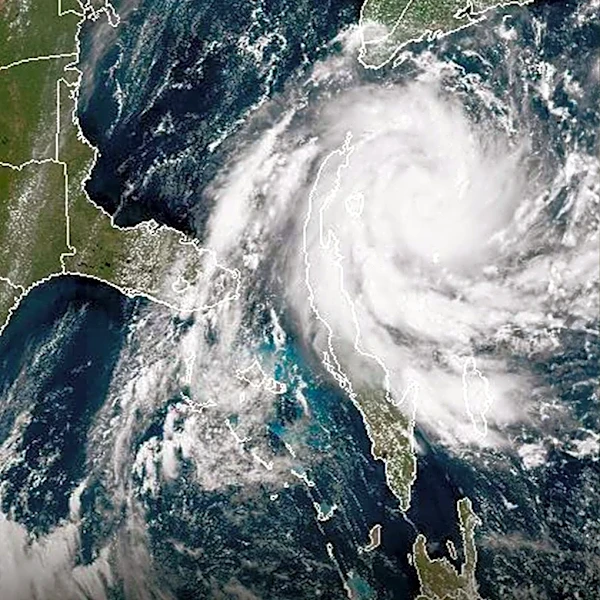
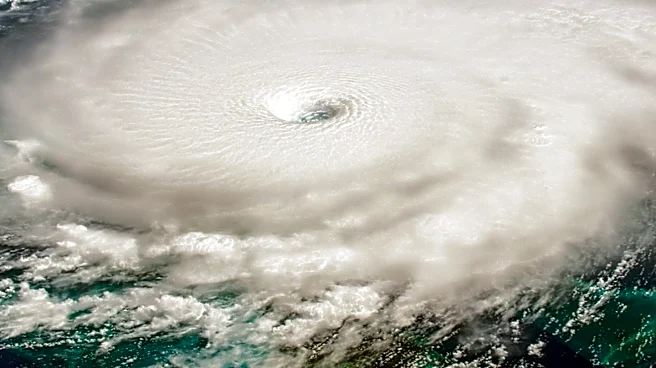
Super Typhoon Bavi has made landfall near Guam, impacting the Northern Mariana Islands with powerful winds and heavy rain. The storm's eye passed over Rota, bringing winds exceeding 150 mph. The National Weather Service has issued warnings for Guam, Tinian,
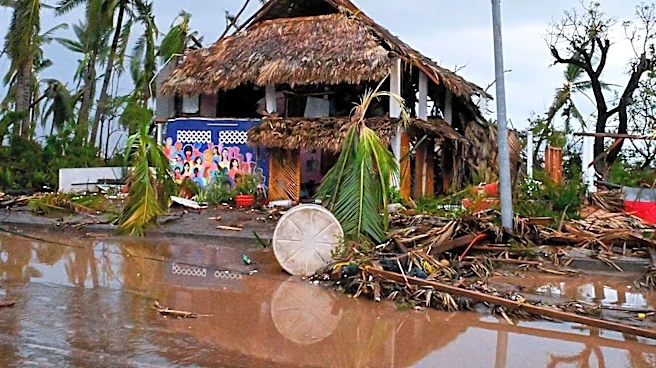
and Saipan, with expectations of up to 20 inches of rain. The region is still recovering from a previous cyclone, Super Typhoon Sinlaku, which caused extensive damage. Residents are advised to stay indoors and avoid windows due to the risk of flying debris and power outages.
Why It's Important?
The impact of Super Typhoon Bavi on the U.S. territories in the Pacific underscores the ongoing challenges these regions face from extreme weather events. The potential for significant damage to infrastructure and prolonged power outages could disrupt daily life and economic activities. The storm's intensity is a reminder of the increasing frequency and severity of such events, likely exacerbated by climate change. The response to this disaster will be critical in ensuring the safety and recovery of the affected communities.
What's Next?
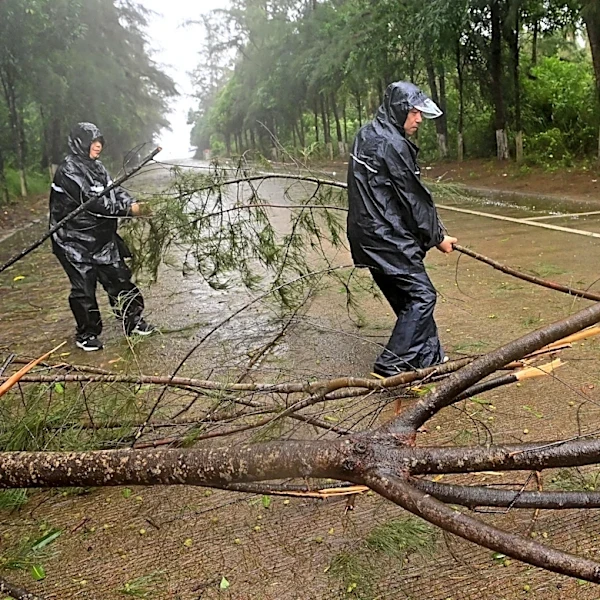
As the storm progresses, emergency services are focused on ensuring the safety of residents and assessing the damage. Recovery efforts will involve restoring power, clearing debris, and providing aid to those affected. The situation will require coordination between local governments and federal agencies to address the immediate needs and plan for long-term recovery. Monitoring the storm's path and potential impacts on other regions will be essential in managing the ongoing risks.