




What's Happening?
The United Nations Development Programme (UNDP) in Kenya is actively seeking a Communication Officer to lead communication, visibility, knowledge management, and learning efforts for its Solar Cooling Project. This initiative aims to significantly reduce
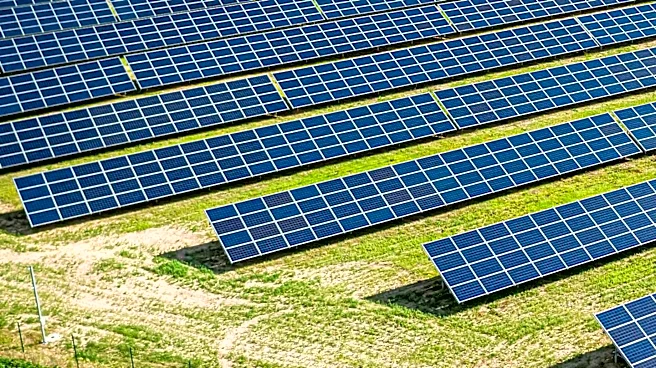
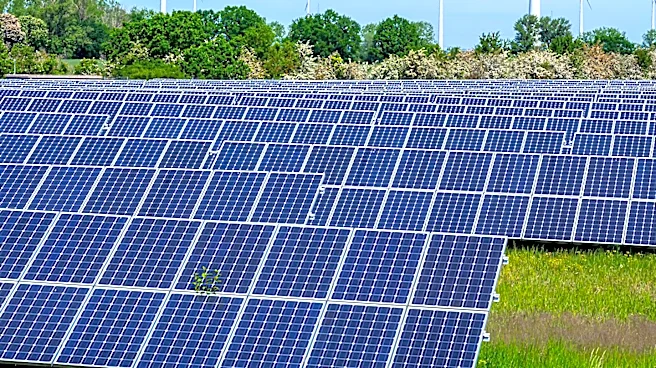
post-harvest losses in Kenya, which currently exceed 40% due to inadequate cold storage, poor handling, limited awareness, workforce gaps, and weak financing. The project directly supports Kenya's updated Nationally Determined Contributions (NDC) and Climate Smart Agriculture Strategy. Implemented through UNDP and the United Nations Capital Development Fund (UNCDF), the project plans to expand market-led solar-powered cold storage by financing 1,000 facilities. The Communication Officer will be responsible for developing and implementing a communication and knowledge management workplan, creating content such as news articles, case studies, and social media posts, and translating technical project information into accessible messages for various stakeholders including farmers, policymakers, and financiers. Additionally, the role involves establishing a repository for project resources, documenting results and lessons learned, and developing knowledge products to support policy decisions and investment in solar-powered cold storage solutions. The officer will also manage digital communication, media engagement, and stakeholder events, ensuring compliance with branding and visibility requirements.
Why It's Important?
This initiative is crucial for Kenya's agricultural sector and broader economic development, as post-harvest losses represent a substantial drain on resources and income for smallholder farmers. By addressing these losses through solar-powered cold storage, the project is expected to create 1,200 jobs and benefit 60,000 smallholder farmers. The leveraged private capital of EUR 27 million indicates a significant investment in sustainable infrastructure, which can stimulate local economies and improve food security. Furthermore, the project's focus on reducing direct and indirect greenhouse gas (GHG) emissions by 4.8 million and 3.9 million tons, respectively, aligns with global climate action goals and demonstrates a commitment to environmental sustainability. The communication efforts are vital to ensure that the project's successes, lessons learned, and available technologies are widely disseminated, fostering greater adoption and investment in similar sustainable practices. Effective communication can also influence policy-making, encouraging a supportive regulatory environment for green technologies and agricultural innovation, ultimately contributing to a more resilient and prosperous agricultural sector in Kenya.
What's Next?
The immediate next step is the recruitment of a Communication Officer to spearhead the project's outreach and knowledge dissemination. Once appointed, the officer will develop and implement a comprehensive communication and knowledge management workplan, which will guide all subsequent activities. This will involve coordinating inputs from project staff, government partners, UNCDF, and other stakeholders to ensure a unified message. The project will continue its efforts to finance and establish 1,000 solar-powered cold storage facilities, alongside providing technical training to providers, farmers, and cooperatives. Awareness campaigns will be launched to educate stakeholders on the benefits and operational aspects of these solutions. The Communication Officer will also focus on strengthening the enabling environment through courses in e-waste management, circular economy, and agribusiness. Regular monitoring of communication results, including website visits, social media engagement, and media coverage, will be conducted to assess effectiveness and make necessary adjustments. The project aims to systematically capture evidence generated across its technical, policy, financing, and implementation workstreams, translating it into accessible knowledge products for wider sharing and impact.
Beyond the Headlines
Beyond the immediate economic and environmental benefits, this project has deeper implications for sustainable development and technological adoption in developing countries. The emphasis on solar-powered solutions highlights a broader shift towards renewable energy in agriculture, reducing reliance on fossil fuels and mitigating climate change. The project's success could serve as a model for other regions facing similar challenges, demonstrating the viability of integrating green technology with agricultural practices to achieve both economic growth and environmental protection. Furthermore, the focus on knowledge management and storytelling underscores the importance of effective communication in driving development initiatives. By translating complex technical information into understandable narratives, the project aims to empower local communities and foster a sense of ownership over sustainable practices. This approach can lead to long-term behavioral changes and a more informed populace, capable of advocating for and implementing sustainable solutions. The creation of jobs and benefits for smallholder farmers also addresses issues of poverty alleviation and social equity, ensuring that the benefits of technological advancement are shared broadly within society.