





What's Happening?
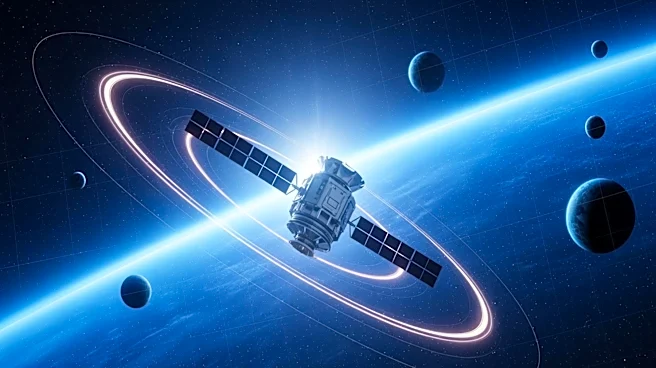
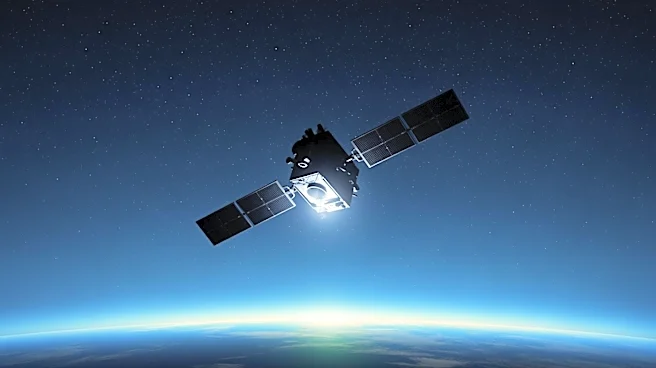
The Transiting Exoplanet Survey Satellite (TESS) has identified 11,554 exoplanet candidates in just one year, thanks to the application of artificial intelligence. This marks a significant leap in the search for worlds outside the Solar System, as humanity
took about 30 years to confirm just over 6,000 exoplanets. The TESS mission, launched by NASA, uses the transit method to detect planets by observing small, periodic drops in a star's brightness. The use of AI has allowed researchers to analyze signals from approximately 83 million stars, identifying subtle patterns that were previously undetectable.
Why It's Important?
The discovery of over 10,000 exoplanet candidates in such a short time highlights the transformative impact of artificial intelligence on modern astronomy. This advancement accelerates the pace of discovery, potentially expanding our understanding of planetary systems and the possibility of finding Earth-like planets. The findings suggest that the number of uncataloged worlds may be much larger than previously imagined, opening new avenues for research and exploration. This could lead to future missions focused on studying the atmospheres of these planets for signs of life.