


What's Happening?
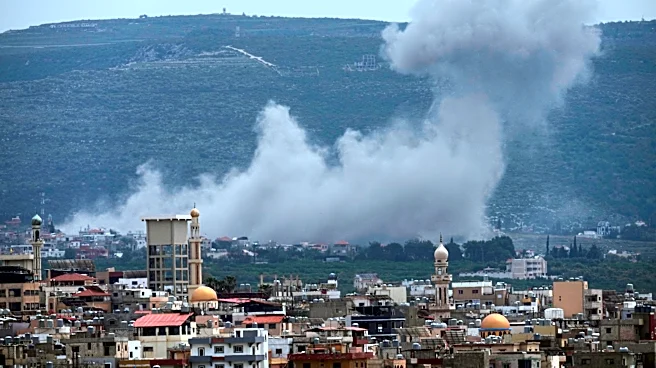
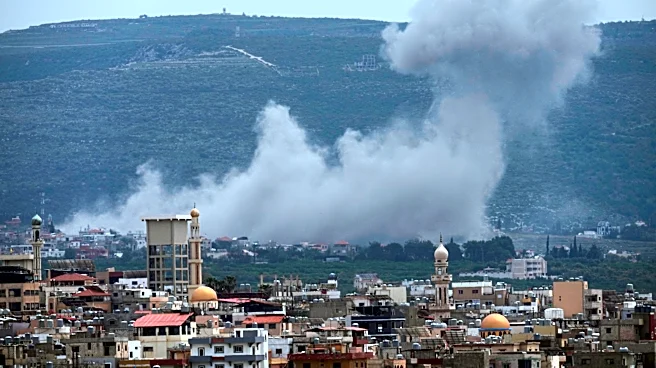
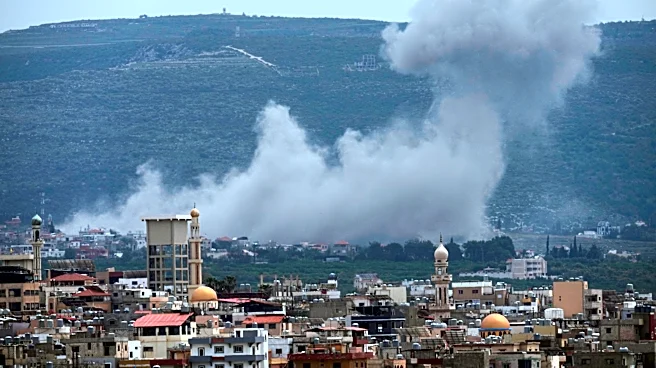
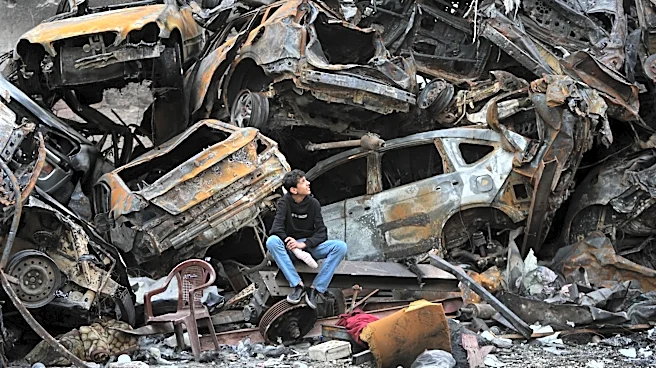
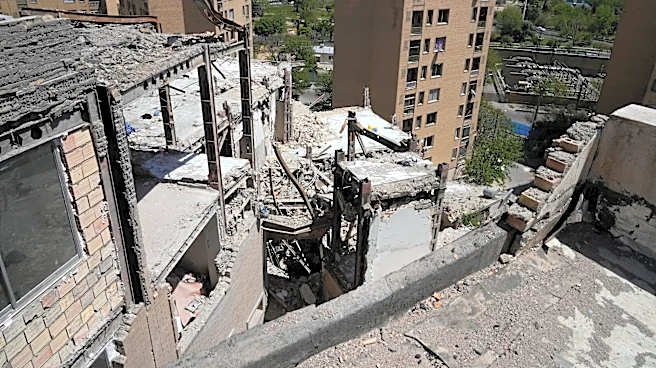
A 10-day ceasefire between Israel and Lebanon has been announced, pausing the conflict between Israel and Hezbollah that has resulted in over 2,100 Lebanese casualties and displaced more than 2.1 million people. The ceasefire was brokered with the involvement
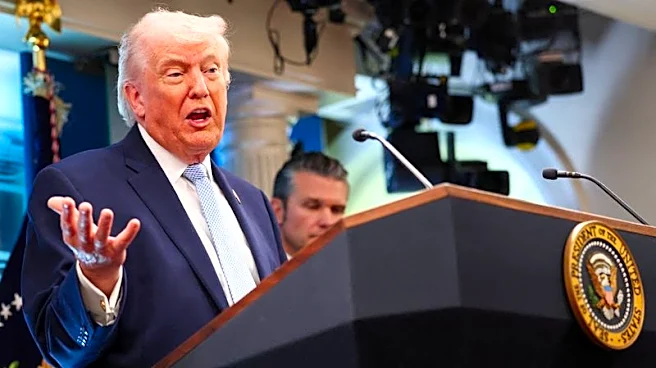
of President Trump, who invited Israeli Prime Minister Benjamin Netanyahu and Lebanese President Joseph Aoun for talks at the White House. Both leaders have welcomed the agreement. UN Secretary-General António Guterres has urged all parties to respect the ceasefire, hoping it will lead to negotiations. Despite the ceasefire, intermittent shelling has been reported, and both Israel and Hezbollah have reserved the right to defend themselves if the truce is broken.
Why It's Important?
The ceasefire is a significant development in the ongoing Middle East crisis, potentially paving the way for peace negotiations. It affects regional stability and has implications for global oil prices, which have been volatile due to the conflict. The truce could also influence international diplomatic efforts, as countries like the UK and France are preparing to play roles in ensuring freedom of navigation in the Strait of Hormuz. The ceasefire's success or failure could impact future U.S. foreign policy and its relations with Middle Eastern countries.
What's Next?
The international community will closely monitor the ceasefire's implementation. The UK and France are set to chair a meeting of about 40 countries to discuss restoring navigation freedom in the Strait of Hormuz. Meanwhile, Turkey is hosting a forum with foreign ministers from Pakistan, Saudi Arabia, and Egypt to push for diplomatic resolutions. The U.S. and Iran may engage in further talks, potentially in Islamabad, to address the broader conflict. The situation remains fragile, with the potential for renewed hostilities if the ceasefire is violated.