






What's Happening?
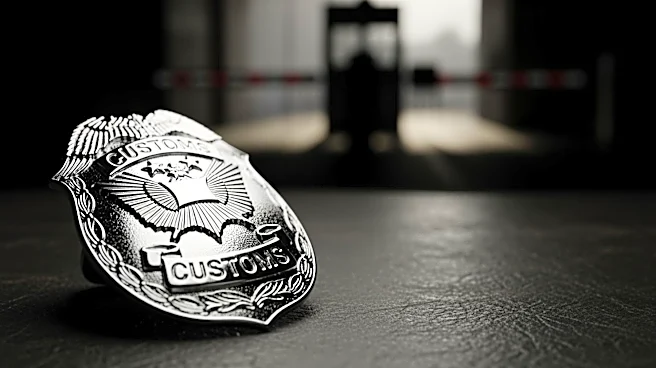
The White House has issued a directive to enhance U.S. customs enforcement, focusing on national security, lawful trade, and economic protection. The order mandates the Secretary of Homeland Security to revise regulations and policies concerning importers
of record (IORs) within 180 days. Key changes include requiring IORs to maintain tangible domestic assets and increasing bond coverage to ensure compliance with U.S. customs laws. The directive also prohibits foreign IORs from filing informal entries and mandates additional data disclosures to U.S. Customs and Border Protection (CBP). These measures aim to close loopholes that allow undervaluing imports and evading duties, which threaten national security and disadvantage domestic businesses.
Why It's Important?
This initiative is crucial for safeguarding U.S. economic interests and national security. By tightening customs enforcement, the U.S. aims to prevent the importation of unlawful goods and ensure proper duty collection. The reforms are expected to protect domestic industries from unfair competition and enhance transparency in trade practices. Strengthening customs enforcement also addresses systemic inefficiencies and loopholes that have been exploited by foreign entities, thereby leveling the playing field for U.S. businesses. The directive underscores the importance of modernizing customs processes to adapt to evolving global trade dynamics.
What's Next?
The Secretary of Homeland Security is tasked with implementing these changes within 180 days, which includes updating the IOR registry and establishing enhanced vetting procedures. The White House has also called for legislative recommendations to further strengthen customs enforcement. These steps are likely to prompt reactions from international trade partners and could lead to adjustments in global trade practices. The focus on transparency and compliance may also influence future trade agreements and negotiations.