







What's Happening?
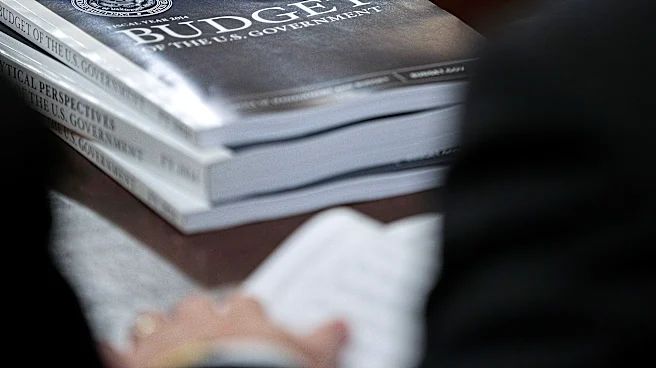
The Asia-Pacific Leadership Network (APLN) is utilizing select reports from the U.S. Government Accountability Office (GAO) to assist Asia-Pacific nuclear-armed states in conducting nuclear 'fail-safe' reviews. These reviews involve internal national
assessments of safeguards against accidental, mistaken, or unauthorized use of nuclear weapons. The GAO, which conducts financial and performance audits for the U.S. Congress, publishes titles of classified and sensitive reports on a publicly available 'Restricted Reports' webpage. This information serves as a guide for other nuclear-armed states to understand the political, technical, and bureaucratic issues that a rigorous fail-safe review might address, particularly as emerging technologies like AI, quantum, cyber, and space systems introduce new vulnerabilities.
Why It's Important?
This initiative is crucial for enhancing global nuclear safety and stability, directly impacting U.S. national security interests. By sharing insights from U.S. fail-safe reviews, the APLN helps reduce the risk of nuclear accidents or unintended escalation in other nuclear-armed states. This is particularly important in the Asia-Pacific region, where several countries possess nuclear weapons and geopolitical tensions are high. The U.S. benefits from improved nuclear safety worldwide, as any nuclear incident, regardless of its origin, could have catastrophic global consequences. The focus on emerging technologies highlights the evolving nature of nuclear risks and the need for continuous adaptation in security protocols, aligning with U.S. efforts to maintain strategic stability.
What's Next?
The APLN will continue to facilitate workshops and research to promote nuclear fail-safe reviews among Asia-Pacific nuclear-armed states. The insights from GAO reports will likely inform the design and implementation of these reviews, helping nations identify and address potential vulnerabilities in their nuclear forces. This ongoing dialogue and knowledge sharing could lead to the adoption of best practices in nuclear safety and security across the region. The U.S. will likely continue to support such initiatives, as they contribute to its broader non-proliferation and arms control objectives, fostering a more secure international environment.
Beyond the Headlines
Beyond the technical aspects of nuclear safety, the use of GAO reports for fail-safe reviews delves into the broader implications of transparency and international cooperation in managing existential risks. It highlights the ethical responsibility of nuclear-armed states to ensure the utmost security of their arsenals and the potential for shared learning to mitigate global threats. The integration of emerging technologies into nuclear systems also raises profound questions about human control, algorithmic decision-making, and the potential for unforeseen consequences. This initiative underscores the continuous need for vigilance, adaptation, and collaborative efforts to prevent nuclear catastrophe in an increasingly complex technological landscape.