



What's Happening?
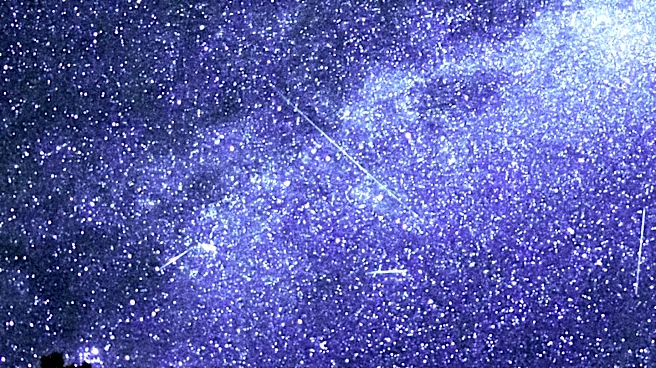
The Perseid meteor shower, one of the most anticipated celestial events, is currently visible from July 14 to September 1, with its peak expected on August 12 and 13. This year, the viewing conditions are particularly favorable due to a new moon on August 12,
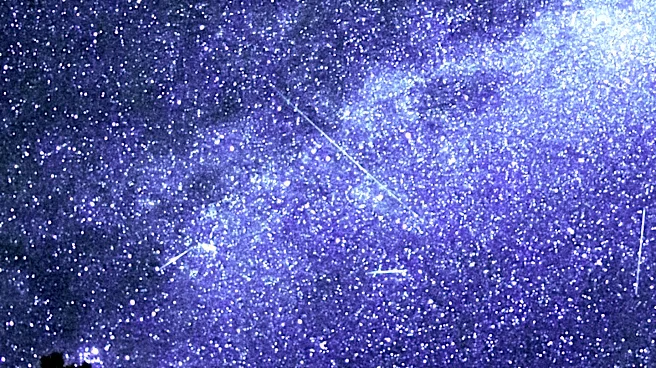
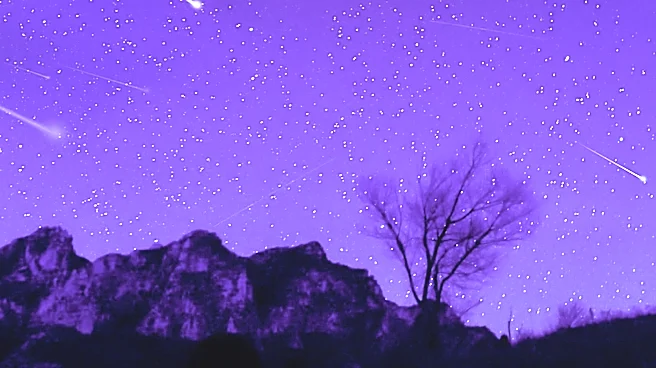
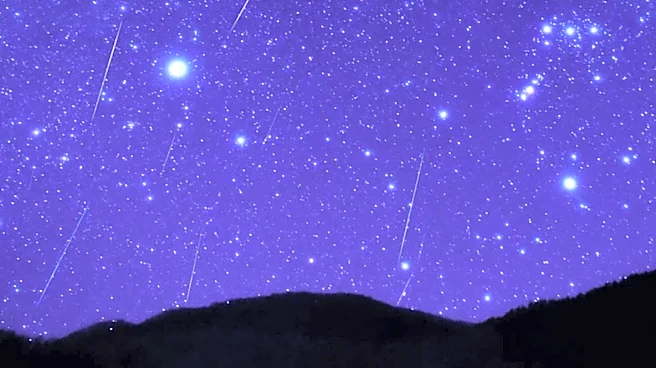
which will provide dark skies ideal for observing the meteors. The Perseids are fragments from the comet Swift-Tuttle, which burn up as they enter Earth's atmosphere, creating bright streaks of light. In Upstate South Carolina, clear skies are expected this week, enhancing the viewing experience after a period of stormy weather. NASA reports that during the peak, observers can expect to see 50-100 meteors per hour, especially during the pre-dawn hours.
Why It's Important?
The Perseid meteor shower is a significant event for both amateur and professional astronomers, as well as the general public, offering a chance to witness a natural spectacle. The timing during the summer months makes it accessible to a wide audience, providing an opportunity for educational outreach and public engagement in astronomy. The event also highlights the importance of preserving dark skies, free from light pollution, to fully appreciate such celestial phenomena. For local economies, particularly in areas like Upstate South Carolina, the meteor shower can attract tourists and stargazers, boosting local businesses and promoting regional tourism.
What's Next?
As the peak of the Perseid meteor shower approaches, stargazers are advised to find locations with minimal light pollution for the best viewing experience. The early morning hours of August 12-13 are expected to offer the most spectacular views. Weather conditions will play a crucial role, and clear skies are forecasted for the Upstate region, enhancing the likelihood of a successful viewing. Local communities and astronomy clubs may organize viewing events, providing telescopes and guidance to enhance the experience for participants.