







What's Happening?
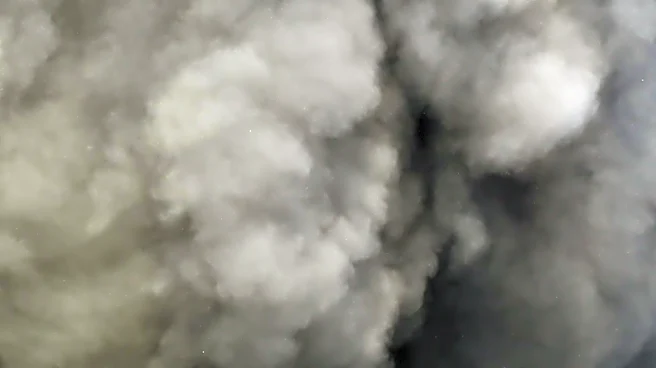
A fire at the Lineage cold storage warehouse in Boyle Heights, which burned for eight days in June, has led to ongoing concerns about anhydrous ammonia exposure in the community. The facility used thousands of pounds of this toxic refrigerant. While Lineage spokesperson
Melanie Mendoza stated that ammonia levels never posed a health risk, residents have reported symptoms such as sore throats, skin rashes, headaches, irritated eyes, and worsened asthma. Los Angeles Fire Department (LAFD) records, obtained by Capital & Main, indicate that firefighters identified an 'active amonia [sic] leak' on the roof shortly after the fire began on June 17. Despite initial denials from Lineage and conflicting statements from LAFD Chief Jaime Moore, recent air monitoring by the South Coast Air Quality Management District (AQMD) and Lineage's own contractor, Onterris, detected elevated ammonia levels weeks after the fire, some exceeding California's safety guidelines for short-term exposure.
Why It's Important?
This incident highlights critical issues regarding industrial safety, environmental justice, and corporate accountability in urban areas. Anhydrous ammonia is a hazardous substance that can cause severe respiratory and eye damage, and even death, making its release a serious public health threat, especially for vulnerable populations like children. The discrepancy between official statements and reported community symptoms, coupled with the delayed release of air monitoring data, erodes public trust in both corporate entities and regulatory bodies. The situation in Boyle Heights, a predominantly low-income community, also raises questions about environmental justice, as such communities often bear a disproportionate burden of industrial pollution. The involvement of Onterris, a firm with a history of producing reports favorable to its corporate clients, further complicates efforts to ascertain the true extent of the environmental impact and health risks.
What's Next?
The U.S. Environmental Protection Agency (EPA) has demanded that Lineage provide a detailed description and timeline of the incident, disclose any contaminants released, and submit all air monitoring results by August 17. Depending on the EPA's findings, federal law may require Lineage to hold a public meeting within 90 days of a 'reportable accident.' However, residents may face challenges in accessing this information promptly due to potential delays in Freedom of Information Act (FOIA) requests. The South Coast Air Quality Management District has imposed 93 conditions on Lineage to mitigate odors and reduce residents' exposure to toxics, including fenceline monitoring and community notifications if readings exceed safety thresholds. An independent investigation into the ammonia release and its health impacts is crucial to ensure accountability and prevent future incidents.
Beyond the Headlines
The Boyle Heights incident exposes systemic issues in how industrial accidents involving hazardous materials are managed and communicated to the public. The initial downplaying of the ammonia leak, followed by evidence of elevated levels, underscores a broader pattern of information control that can leave affected communities feeling unheard and unprotected. This event could catalyze stronger regulatory oversight and more transparent reporting requirements for facilities handling dangerous chemicals, particularly in residential areas. It also emphasizes the need for independent scientific assessment and community-led monitoring efforts to counteract potential biases in corporate-commissioned studies. Ultimately, this situation could lead to a re-evaluation of land-use policies that permit hazardous industrial operations in close proximity to homes and schools, pushing for greater protections for vulnerable communities.