




What's Happening?
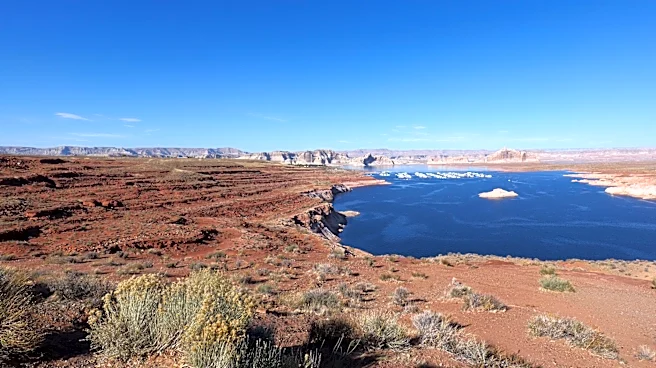
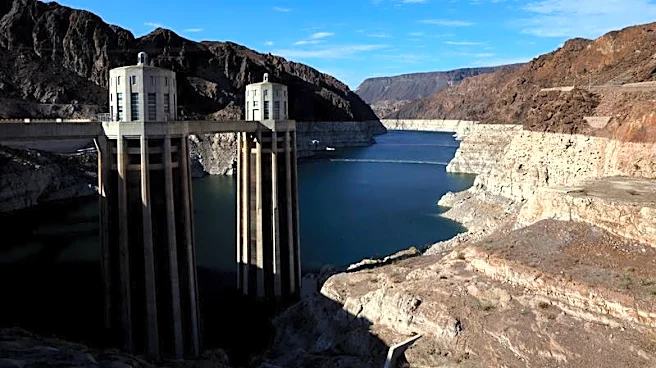
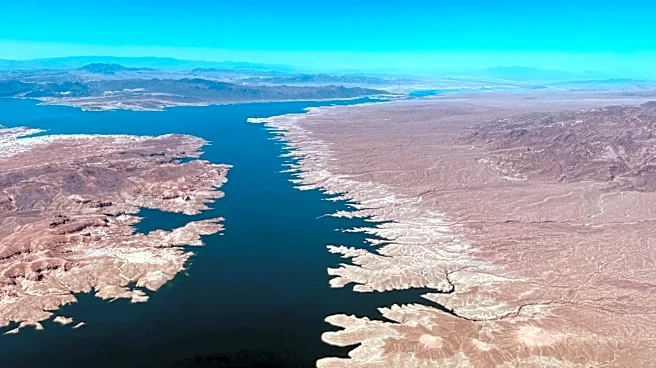
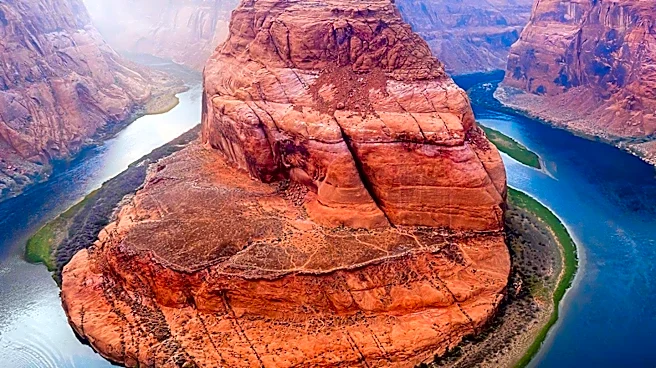
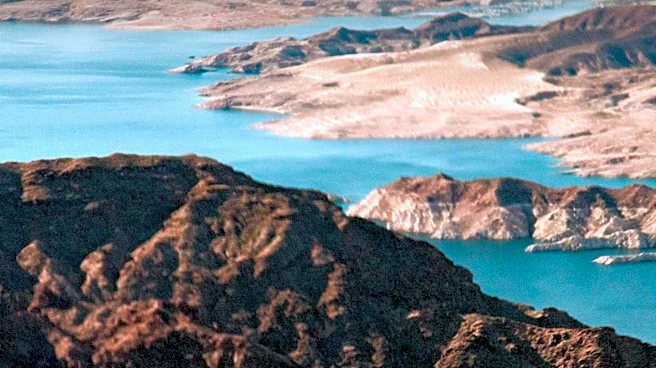
The two largest reservoirs in the United States, Lake Mead and Lake Powell, have reached their lowest levels on record. This development is exacerbating water supply challenges for several states that rely on these reservoirs. The dwindling water levels are
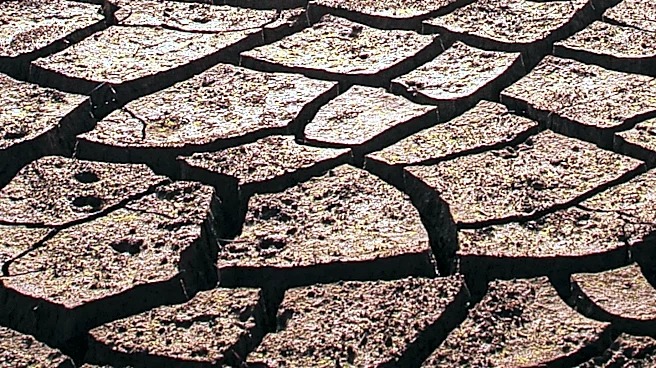
a result of prolonged drought conditions and increased water demand, putting pressure on states to manage and share the limited water resources effectively.
Why It's Important?
The record low levels of Lake Mead and Lake Powell have significant implications for water management in the western United States. These reservoirs are crucial for providing water to millions of people, supporting agriculture, and generating hydroelectric power. The situation highlights the urgent need for sustainable water management practices and policies to address the impacts of climate change and ensure long-term water security for the region.
What's Next?
States dependent on these reservoirs will need to negotiate water-sharing agreements and possibly implement water conservation measures. There may be increased investment in alternative water sources and technologies to mitigate the impact of reduced water availability. Policymakers and stakeholders will likely engage in discussions to develop strategies for sustainable water management in the face of ongoing climate challenges.