






What's Happening?
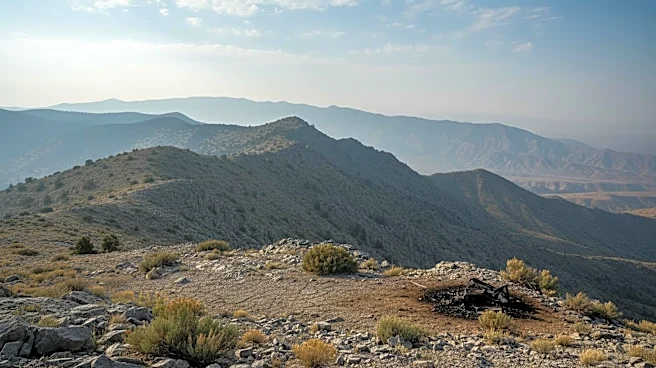
A charter plane carrying eight individuals, including two pilots and six passengers, crashed near Cape Newenham in Southwest Alaska on Thursday. The civilian-contracted aircraft departed from Ted Stevens Anchorage International Airport and was en route
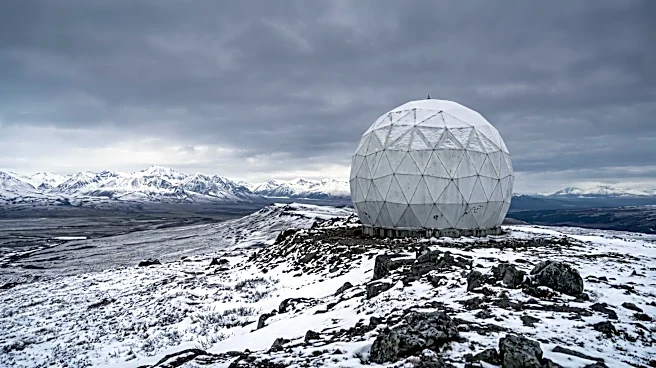
to the Cape Newenham Long Range Radar Site. The U.S. military confirmed that there were no survivors after search and rescue teams landed near the crash site. The National Transportation Safety Board (NTSB) and the Federal Aviation Administration (FAA) are investigating the incident. Clint Johnson, the NTSB’s Alaska region chief, stated that preliminary information indicates the crash occurred early Thursday afternoon on approach to Cape Newenham. The Cape Newenham Long Range Radar Site is a critical part of a network of remote radar sites responsible for tracking aircraft in Alaska's airspace and along its borders, managed by the Pacific Air Forces Regional Support Center.
Why It's Important?
This incident highlights the inherent risks associated with air travel in remote and challenging environments like Alaska. The loss of eight lives underscores the dangers faced by those operating and traveling in such regions, often for essential services or critical infrastructure maintenance. The Cape Newenham Long Range Radar Site plays a vital role in national security by monitoring airspace, making the crash of a civilian-contracted aircraft en route to this site a matter of concern for operational continuity and personnel safety. The investigation by the NTSB and FAA will be crucial in determining the cause of the crash, which could lead to updated safety protocols or regulations for charter flights in remote Alaskan territories, potentially impacting the aviation industry and the communities reliant on air transport.
What's Next?
The National Transportation Safety Board (NTSB) is preparing to launch a team to Cape Newenham to investigate the crash. This team, comprising investigators from Seattle and Anchorage, is expected to arrive at the site within the next couple of days, weather permitting. The military has stated that the names of those on board will be released 24 hours after their next of kin have been notified. Further information regarding the mission the group was carrying out and the specifics of the crash will be made available in the coming days as the investigation progresses. The findings from the NTSB investigation will be critical in understanding the circumstances leading to the crash and could inform future aviation safety measures in remote Alaskan regions.
Beyond the Headlines
The crash of the charter plane in Southwest Alaska brings to light the broader challenges of maintaining critical infrastructure in remote and harsh environments. The Cape Newenham Long Range Radar Site, like other similar facilities, relies on air transport for personnel and supplies, making the safety of these flights paramount. This incident could prompt a reevaluation of safety standards, maintenance protocols, and operational procedures for civilian-contracted flights serving such sensitive and isolated locations. The human element of such tragedies, particularly the impact on the families of the victims and the communities they served, extends beyond the immediate investigation, highlighting the sacrifices made by individuals working in these demanding roles.