
What's Happening?
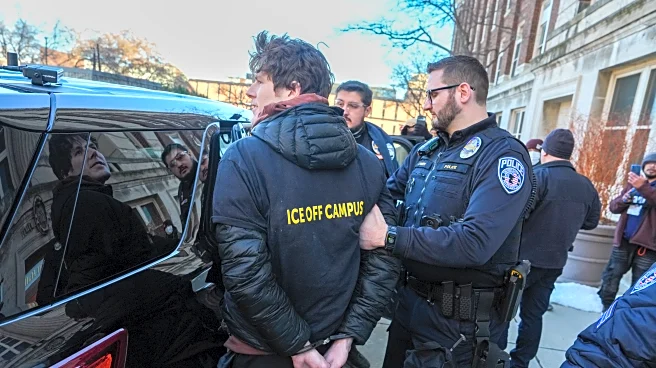
In Minnesota, doctors are expressing concern over the impact of the Trump administration's immigration crackdown on healthcare access. The policy change, which allows federal immigration agencies to make
arrests in hospitals, schools, and churches, has led to significant fear among immigrant communities. This fear has resulted in patients avoiding necessary medical care, including a pregnant woman who missed a checkup and a cancer patient who was detained without access to medication. Medical professionals, including Dr. Roli Dwivedi, have reported an unprecedented level of chaos and fear, even greater than during the COVID-19 crisis. The crackdown, part of a larger operation called Operation Metro Surge, has led to over 3,000 arrests in the Minneapolis area, exacerbating tensions between local and federal authorities.
Why It's Important?
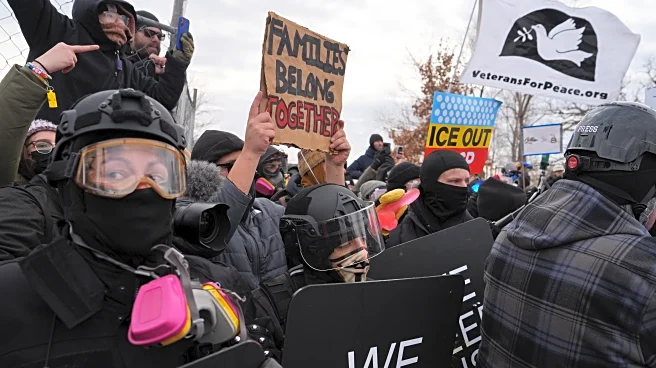
The immigration crackdown in Minnesota highlights the broader implications of federal immigration policies on public health and safety. By targeting hospitals and other traditionally safe spaces, the policy has created a climate of fear that deters immigrants from seeking necessary medical care. This not only endangers individual health but also poses a public health risk by potentially increasing the spread of untreated conditions. The situation underscores the tension between federal immigration enforcement and local healthcare providers, who are caught between legal obligations and ethical duties to provide care. The crackdown has also sparked civil rights concerns, as evidenced by a Department of Justice investigation into a protest at a church led by a local ICE official.
What's Next?
The ongoing immigration enforcement in Minnesota is likely to continue fueling tensions between federal authorities and local communities. Healthcare providers may seek legal avenues to protect their patients and staff from immigration enforcement actions. Additionally, civil rights groups and local officials may increase pressure on the federal government to reconsider its policies, particularly in light of the public health implications. The situation may also prompt legislative efforts at the state or federal level to establish clearer boundaries for immigration enforcement in sensitive locations like hospitals.
Beyond the Headlines
The crackdown raises ethical questions about the role of healthcare providers in immigration enforcement. The fear of arrest in healthcare settings challenges the principle of medical neutrality, which holds that medical care should be accessible to all, regardless of legal status. This situation may lead to long-term shifts in how healthcare institutions navigate their responsibilities to patients and compliance with federal laws. The broader cultural impact includes heightened fear and mistrust among immigrant communities, potentially leading to further social isolation and marginalization.