





What's Happening?
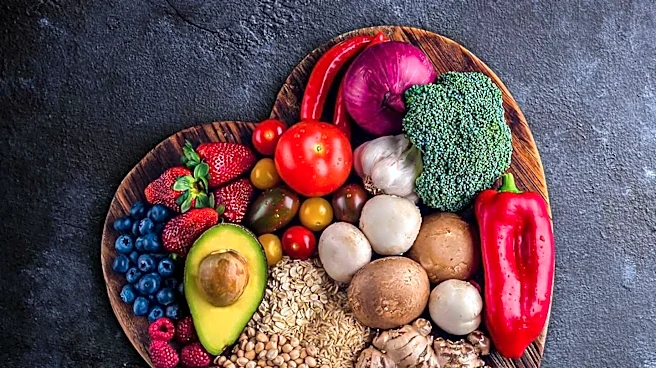
Research indicates that healthy dietary patterns, such as the MIND diet, are associated with improved cognitive functioning and resilience in older adults. A study published in 'npj Aging' involving 727 cognitively healthy older Japanese adults found
that solo eaters had poorer diets, consuming less protein, fiber, vitamins, and minerals, compared to those who shared meals. Brain scans revealed that solo eaters, on average, had smaller brain volumes in regions linked to memory and cognitive function. While the exact cause (diet vs. social interaction) is not definitively established, the data suggests that communal eating may lead to more nutritionally balanced meals, supporting brain health. Additionally, positive changes in physical activity and diet, especially when combined, show synergistic effects on cognitive performance and resilience. Social activity further enhances these positive effects.
Why It's Important?
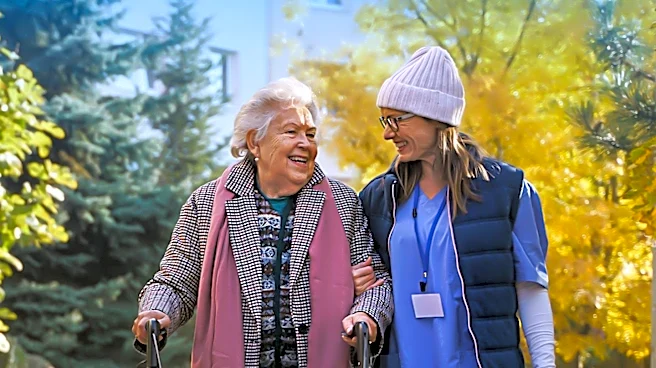
The findings highlight the critical role of diet and social engagement in maintaining brain health as people age, with significant implications for public health strategies and individual lifestyle choices. The observed link between communal eating and better nutritional intake suggests that social interventions could indirectly improve dietary quality and, consequently, cognitive outcomes. This is particularly relevant in an aging population where cognitive decline is a growing concern. The synergistic effect of physical activity, diet, and social interaction underscores the need for holistic approaches to healthy aging, moving beyond single-factor interventions. For healthcare providers and policymakers, this research suggests that promoting shared meals and active lifestyles could be cost-effective strategies to enhance cognitive resilience and reduce the burden of age-related cognitive impairments.
What's Next?
Future research will likely focus on disentangling the specific contributions of diet quality versus social interaction in the observed cognitive benefits of communal eating. Longitudinal studies could provide clearer causal links and identify specific dietary components or social dynamics that are most impactful. Public health initiatives may explore programs that encourage shared meal experiences, particularly for older adults living alone, to improve both nutritional intake and social engagement. Healthcare professionals might integrate recommendations for communal eating and social activity alongside dietary and exercise advice for their older patients. Additionally, further investigation into the mechanisms by which these factors influence brain volume and function could lead to more targeted interventions.
Beyond the Headlines
Beyond the direct health implications, these findings touch upon broader societal trends related to isolation and dietary habits in modern life. The increase in solo eating, often driven by convenience and changing social structures, may have unforeseen long-term consequences for cognitive health. This research implicitly calls for a re-evaluation of the cultural significance of shared meals and community bonds. From an ethical standpoint, it raises questions about societal responsibility to foster environments that support social interaction and access to nutritious food for all, especially vulnerable older populations. The interplay between diet, physical activity, and social connection suggests a complex biopsychosocial model of aging, where well-being is not merely the absence of disease but a dynamic state influenced by interconnected lifestyle factors.