






What's Happening?
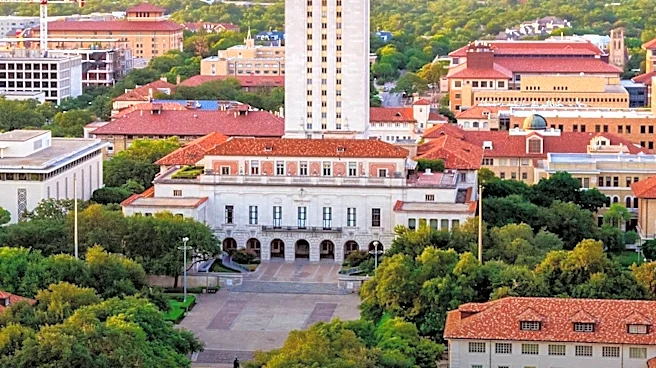
Iván Chaar López, a scholar specializing in border surveillance, was denied tenure at the University of Texas at Austin despite recommendations from over 30 scholars and his American studies colleagues. The decision, made by the tenure committee, was unexpected
and came without explanation. Chaar López suspects that his research, which explores the connections between border-surveillance technologies, history, and race, may have been controversial among conservative officials, influencing the decision. The denial has raised concerns about academic freedom and the criteria for tenure decisions at the university.
Why It's Important?
The denial of tenure to Iván Chaar López highlights ongoing debates about academic freedom and the influence of political and ideological factors in tenure decisions. Tenure is a critical component of academic careers, providing job security and the freedom to pursue controversial or innovative research. The case raises questions about the extent to which external pressures or controversial research topics can impact tenure outcomes. This situation may have broader implications for scholars working in politically sensitive areas, potentially affecting their willingness to engage in certain lines of inquiry.
What's Next?
Following the denial of tenure, Iván Chaar López will need to restart the tenure process at another institution. The case may prompt discussions within the academic community about the transparency and fairness of tenure processes, particularly for scholars working on controversial topics. The university may face pressure to provide more clarity on its tenure criteria and decision-making processes. Additionally, the situation could lead to increased advocacy for academic freedom and protections for scholars whose work challenges prevailing political or social norms.