

What's Happening?
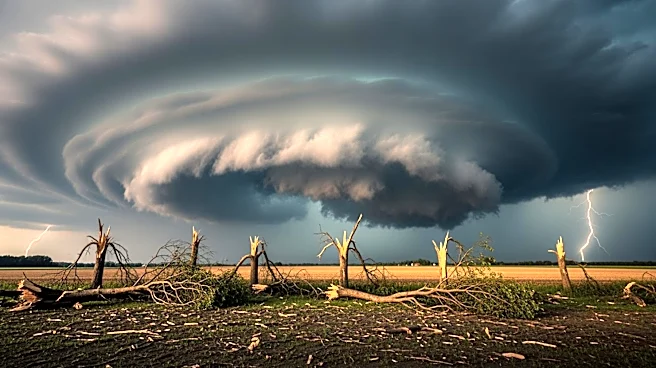
A series of severe storms swept through the Central U.S., with more than a dozen tornadoes reported, including a particularly destructive one in northwestern Oklahoma. The National Weather Service issued a tornado emergency, the highest alert level, as
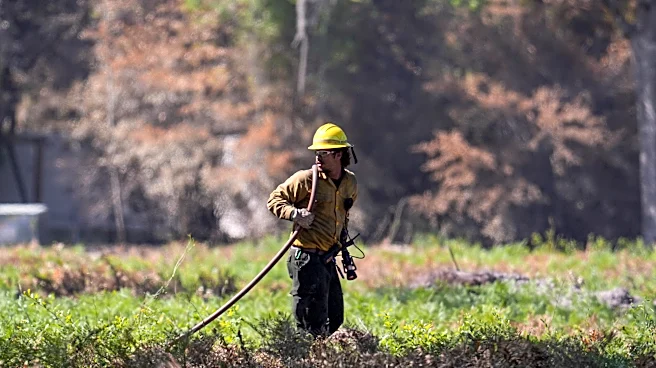
the storm caused significant damage in the area. The tornadoes are part of a larger weather system affecting the Plains, bringing heavy rain, strong winds, and potential flooding. Emergency services are responding to the affected areas, assessing damage, and providing assistance to residents.
Why It's Important?
The tornadoes highlight the vulnerability of the Central U.S. to severe weather events, which can cause widespread destruction and pose significant risks to life and property. The impact on local communities can be devastating, with potential long-term economic and social consequences. The frequency and intensity of such storms may also raise concerns about climate patterns and the need for improved disaster preparedness and response strategies. The situation underscores the importance of timely warnings and effective emergency management to mitigate the effects of natural disasters.
What's Next?
Recovery efforts are underway, with local and state authorities coordinating relief operations. The focus will be on restoring essential services, providing shelter and support to displaced residents, and assessing the full extent of the damage. In the longer term, discussions may arise about enhancing infrastructure resilience and updating building codes to better withstand severe weather. The event may also prompt a review of emergency response protocols to ensure communities are better prepared for future storms.