






What's Happening?
A recent study published in the scientific journal Nature, highlighted by Beyond Plastics, indicates that microplastics may not be as chemically inert as previously understood. Traditionally, chemists have considered plastic to be chemically stable due
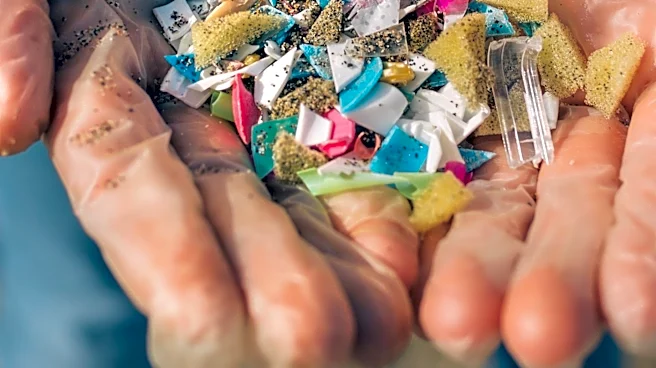
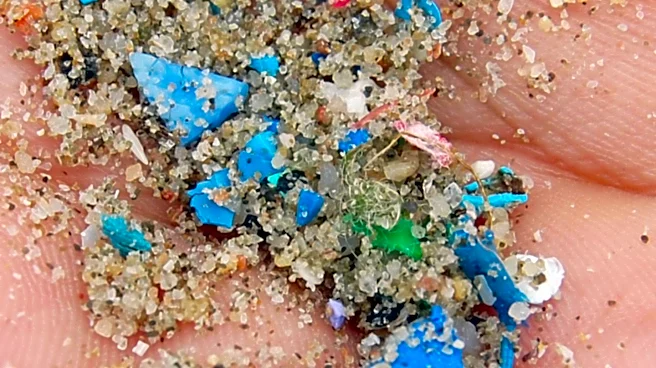
to the strong bonds within its polymer structure, which explains its persistence in the environment. However, researchers investigated whether the increased surface area of microplastics, relative to their size, could alter their chemical behavior. The study found that microplastics spontaneously generate hydroxyl radicals (•OH) on their surfaces when in contact with water. This discovery challenges the long-held belief that microplastics are chemically inactive. The scientists identified specific features at the plastic-water interface that facilitate the conversion of hydroxide ions (OH-), naturally present in water, into these reactive radicals. These experiments were conducted under controlled laboratory conditions and did not directly assess human health outcomes, but they introduce a new dimension to understanding microplastic pollution.
Why It's Important?
This finding is significant because hydroxyl radicals are highly reactive molecules known to cause damage to cells, DNA, and other biological components. While the human body possesses antioxidant defense systems to counteract such reactive oxygen species, an excessive accumulation can lead to oxidative stress, which is linked to various diseases, including neurodegeneration, cancers, and aging. The study's implications extend beyond the mere physical presence or chemical leaching from microplastics, suggesting that the particles themselves can actively promote harmful chemical reactions. This new understanding could reshape how scientists and policymakers assess the environmental and health risks associated with microplastic pollution, potentially leading to more comprehensive regulatory approaches and research into mitigation strategies. It underscores the need to consider not only the inherent chemicals within plastics but also the chemical reactions their surfaces can induce.
What's Next?
The findings from this study are likely to spur further research into the chemical activity of microplastics and their potential biological impacts. Future investigations may focus on replicating these findings in more diverse environmental conditions and exploring direct links to human health outcomes. Scientists may also delve into identifying specific types of plastics or environmental factors that enhance or mitigate this radical generation. Regulatory bodies and environmental organizations may use this new information to re-evaluate existing guidelines for plastic waste management and pollution control. There could be increased pressure for the development of new materials that are less prone to generating reactive species, or for advanced filtration and treatment technologies to remove microplastics from water systems more effectively. This discovery adds another layer of complexity to the ongoing global effort to address plastic pollution.
Beyond the Headlines
This research delves into a less obvious but potentially profound aspect of microplastic pollution, shifting the focus from just the physical presence or leached toxins to the intrinsic chemical reactivity of the particles themselves. The ethical implications arise in how industries and governments respond to this new understanding, particularly concerning the long-term health effects on ecosystems and human populations. If microplastics are indeed chemically active, it could mean that their environmental impact is far more insidious and widespread than previously imagined, potentially contributing to a range of health issues through oxidative stress. This could trigger a re-evaluation of material science, pushing for innovations in biodegradable or truly inert polymers. Culturally, it might further fuel public demand for reduced plastic consumption and more sustainable alternatives, as the perceived 'inertness' of plastic, a key selling point for its durability, is now being questioned at a fundamental chemical level.