




What's Happening?
Attorney General Todd Blanche has filed a misconduct complaint against several federal judges from Minnesota's district court bench. The complaint alleges that these judges violated judicial ethics by publicly discussing pending cases related to the Trump
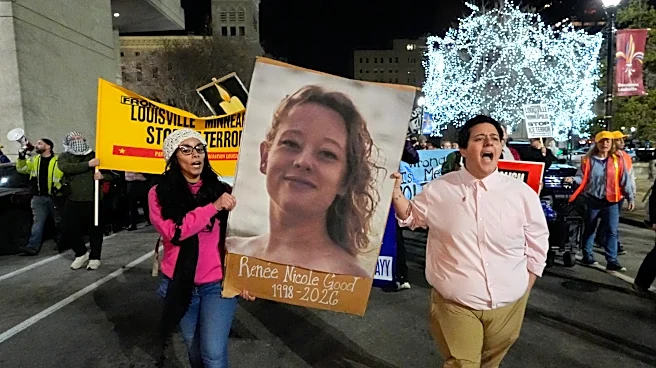
administration's immigration crackdown with The New York Times. Blanche asserted that the judges' conduct undermined public confidence in an impartial judiciary and demanded their recusal from cases involving the Department of Homeland Security. The controversy stems from a September 17 Times report detailing 'Operation Metro Surge,' a large-scale immigration enforcement operation in Minnesota earlier this year, which led to over 1,000 habeas corpus petitions and the deaths of two U.S. citizens. Seven federal judges, including former chief judge Patrick Schiltz, expressed concerns about the government's actions in the report.
Why It's Important?
This action by Attorney General Todd Blanche represents a significant escalation in the ongoing tensions between the executive and judicial branches, particularly concerning immigration policy and the role of the judiciary in overseeing executive actions. The complaint challenges the boundaries of judicial speech and ethical conduct, potentially setting a precedent for how judges can comment on matters of public interest, even when those matters are before the courts. It also highlights the administration's assertive stance against perceived judicial overreach and media scrutiny. The demand for recusal could impact the impartiality and efficiency of the courts in handling future immigration-related cases, potentially affecting the rights of individuals involved in such proceedings and the broader legal landscape.
What's Next?
The misconduct complaint will likely trigger an internal review process within the judiciary to assess the allegations against the judges. This process could involve investigations into whether the judges' comments indeed violated ethical guidelines. Depending on the outcome, potential consequences could range from formal reprimands to more severe disciplinary actions, though such outcomes are rare for federal judges. The incident may also lead to further public debate and legal challenges regarding judicial independence and the separation of powers. Additionally, the administration's broader conflict with the media, as evidenced by President Trump's previous actions to ban news organizations from the White House, suggests a continued pushback against critical reporting and judicial oversight.
Beyond the Headlines
This event delves into the fundamental principles of judicial independence and the freedom of the press, both cornerstones of democratic governance. The administration's complaint against judges for speaking to the media raises questions about the chilling effect it might have on judicial transparency and accountability. If judges are deterred from commenting on significant legal and societal issues, it could limit public understanding of critical legal processes and executive actions. Furthermore, the context of 'Operation Metro Surge' and its severe consequences, including the deaths of U.S. citizens, underscores the ethical imperative for judicial oversight and the public's right to information about government conduct. The outcome of this complaint could redefine the parameters of judicial engagement with the public and media in an era of heightened political polarization.