
What's Happening?
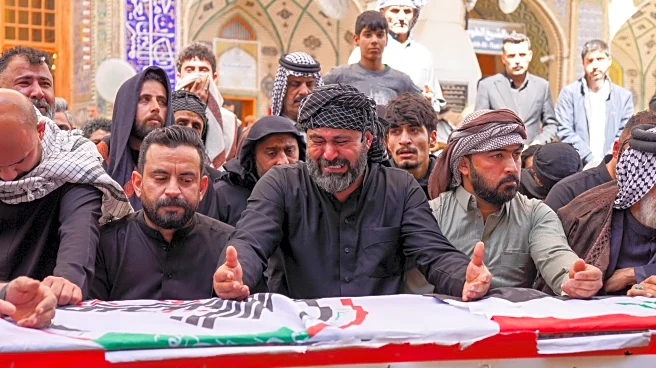
The ongoing conflict between the United States and Iran, under President Trump's administration, has entered its third week, with the White House facing unexpected challenges. Initially anticipating a swift victory, the U.S. now confronts a resilient
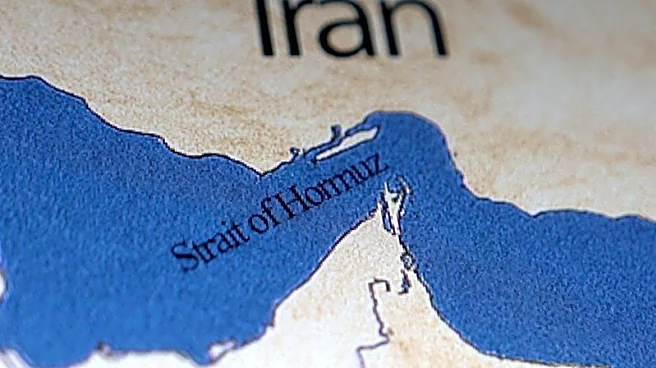
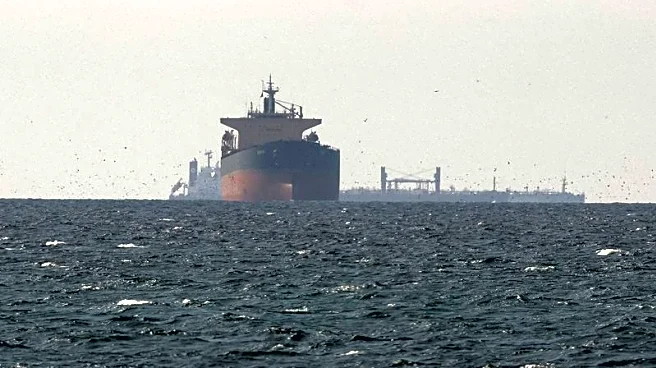
Iranian adversary. The conflict has evolved into an information war, with Iran deploying disinformation to influence global perceptions. This tactic mirrors strategies seen in other conflicts, such as Russia's actions in Ukraine. The U.S. has been criticized for not effectively countering these narratives, which could hinder its strategic goals, including securing the Strait of Hormuz and supporting Iranian domestic opposition. The conflict's implications extend beyond Iran, affecting global powers like Russia and China, with whom Iran has strategic ties.
Why It's Important?
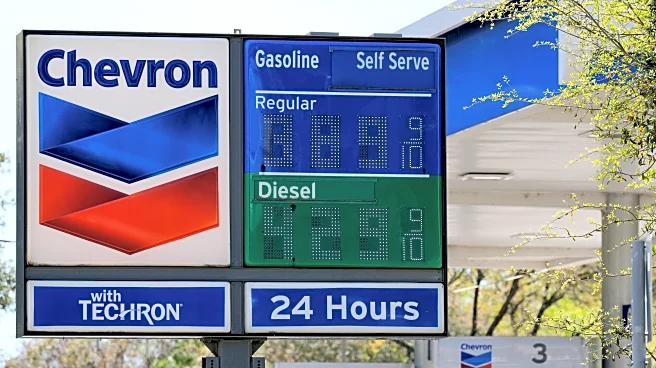
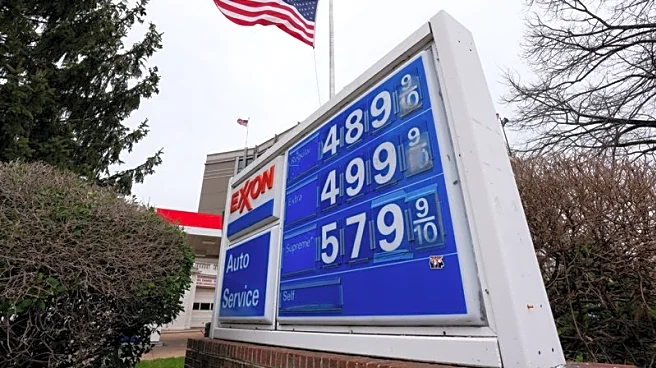
The conflict's significance lies in its potential to reshape global strategic dynamics. The U.S. aims to leverage military success for broader strategic influence, but the disinformation campaigns pose a challenge to achieving these objectives. The situation also impacts global energy markets, as Iran's strategic position in the Strait of Hormuz is crucial for oil flow. The conflict's outcome could influence U.S. relations with other major powers, particularly China, which relies heavily on Middle Eastern oil. The U.S. seeks to maintain leverage over China, complicating diplomatic engagements. The conflict tests the Trump administration's ability to convert military actions into lasting geopolitical advantages.
What's Next?
Future developments may include intensified U.S. efforts to counter Iranian disinformation and secure international support for its strategic goals. The conflict's duration and Iran's response will influence global energy markets and diplomatic relations. The U.S. may seek to strengthen alliances and increase pressure on Iran through economic and military means. The outcome will affect U.S. leverage in upcoming diplomatic engagements, particularly with China. The administration's ability to manage these complex dynamics will be crucial in determining the conflict's long-term impact on U.S. foreign policy.