



What's Happening?
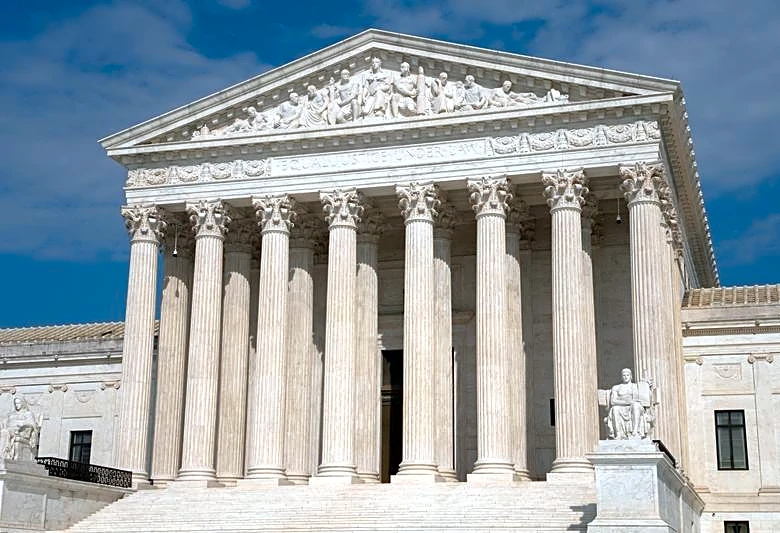
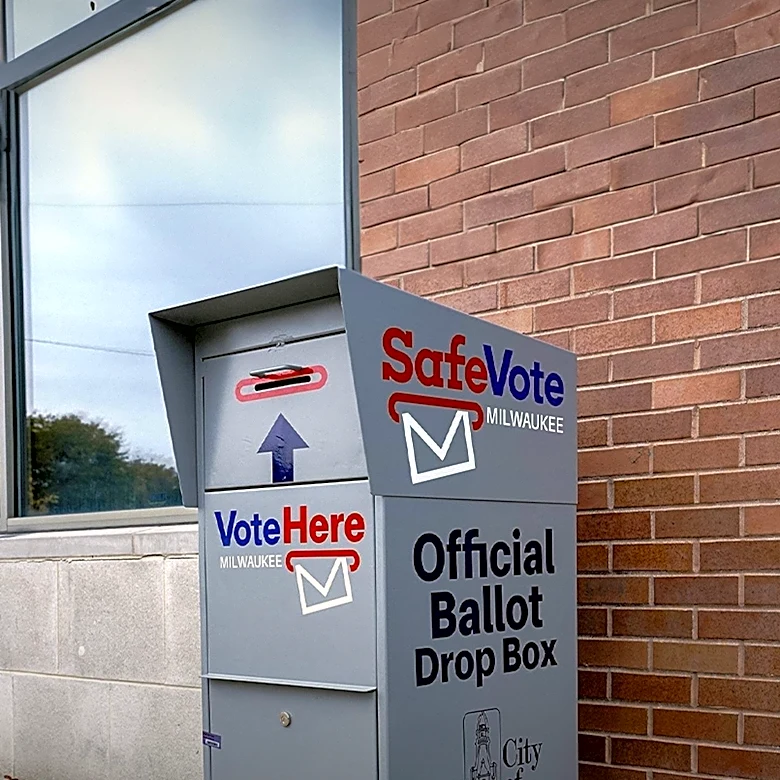
The Trump administration has renewed its appeal to the U.S. Supreme Court to implement new restrictions on mail-in voting ahead of the November congressional elections. This marks the third time the White House has sought Supreme Court intervention on this
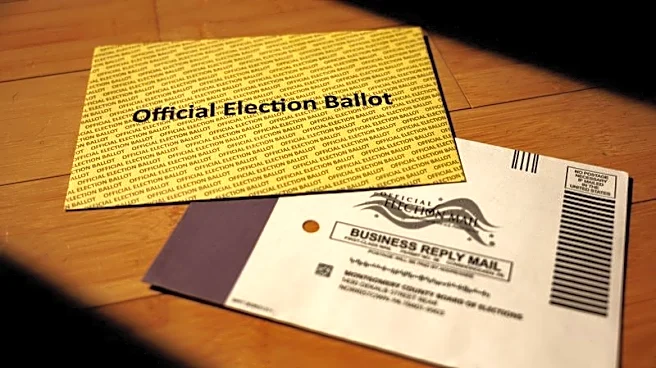
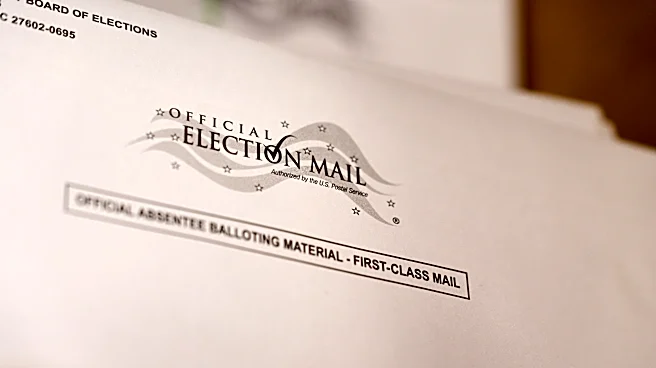
matter. The administration's emergency filing on Sunday follows a federal judge in Massachusetts, U.S. District Judge Indira Talwani, extending a ban that prevents the new rules from taking effect. Solicitor General John Sauer, representing the Trump administration, argued that the injunction risks "sowing confusion and chaos" as more states begin mailing out ballots. Supreme Court Justice Ketanji Brown Jackson, who handles emergency appeals from Boston, has set a deadline of Wednesday for groups challenging the U.S. Postal Service (USPS) rules to respond to the administration's request. The proposed rules, stemming from an executive order signed by President Trump in March, grant the USPS new powers to determine who receives ballots, require special barcodes for tracking, and mandate that state and local officials submit eligible voter names to an online portal. Critics, including a USPS whistleblower, have warned that these changes could lead to significant disruptions in ballot delivery and potentially disenfranchise millions of voters, particularly those in rural areas, veterans, and disabled individuals who rely on absentee voting.
Why It's Important?
This renewed Supreme Court bid by the Trump administration carries significant implications for the integrity and accessibility of the upcoming U.S. congressional elections. The administration's efforts to restrict mail-in voting, which it has pursued for months, could fundamentally alter how millions of Americans cast their ballots. If the Supreme Court allows the new USPS rules to proceed, it could create a patchwork of voting procedures across states, potentially leading to voter confusion and disenfranchisement. The requirement for states to provide lists of mail ballot recipients and for ballots to bear unique barcodes, coupled with the USPS's authority to refuse non-compliant ballots, could disproportionately affect certain demographics and increase the administrative burden on election officials. Critics argue that these measures are designed to suppress voter turnout, particularly among groups that tend to vote by mail. The outcome of this legal challenge will not only impact the November elections but could also set a precedent for future election administration, influencing voter access and the perceived fairness of the electoral process nationwide. The debate also highlights ongoing tensions between federal and state control over election procedures and the role of the judiciary in safeguarding voting rights.
What's Next?
The immediate next step is the Wednesday deadline set by Justice Ketanji Brown Jackson for responses from the groups challenging the U.S. Postal Service rules. Following these responses, Justice Jackson will likely review the arguments and decide whether to refer the matter to the full Supreme Court for consideration. A ruling from the High Court is not expected before Wednesday. Depending on the Supreme Court's decision, the new mail-in voting restrictions could either be allowed to take effect, potentially impacting states that have already begun or are about to begin mailing ballots, or they could remain blocked. If the restrictions are allowed, states like Alabama, which is scheduled to begin mailing ballots on September 9, and at least five other states the week of September 13, would be directly affected. The decision will also likely trigger further reactions from political leaders, civil society groups, and election administrators, who will need to adapt to the ruling. The ongoing legal battle underscores the contentious nature of election administration in the U.S. and suggests that challenges to voting procedures may continue to be a prominent feature of the electoral landscape.
Beyond the Headlines
The Trump administration's persistent efforts to limit mail-in voting extend beyond immediate election mechanics, touching upon deeper ethical and cultural dimensions of American democracy. The repeated attempts to impose restrictions, despite judicial blocks and warnings from election experts, raise questions about the underlying motivations and the potential for partisan manipulation of electoral processes. The administration's rhetoric, including President Trump's claims about widespread voter fraud, contributes to a climate of distrust in the electoral system, which can have long-term consequences for civic engagement and democratic legitimacy. The debate also highlights the evolving role of the U.S. Postal Service, a critical piece of national infrastructure, in the electoral process. Transforming the USPS into an arbiter of ballot validity, as proposed by the new rules, could politicize an essential public service and undermine its perceived neutrality. Furthermore, the focus on mail-in voting restrictions diverts attention from other potential vulnerabilities in election security and administration, potentially leaving other areas unaddressed. The outcome of this legal challenge will not only determine the immediate future of mail-in voting but also contribute to the ongoing narrative about the accessibility, fairness, and security of American elections.