



What's Happening?
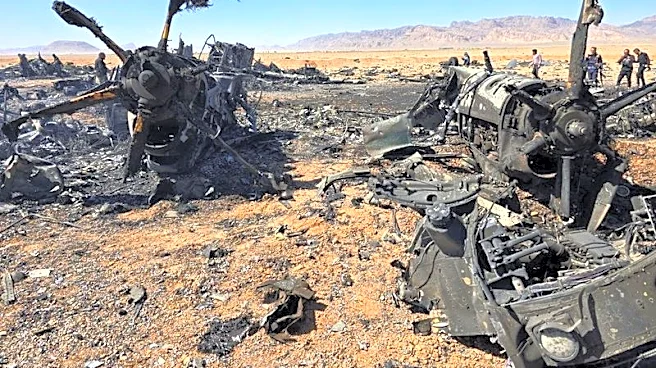
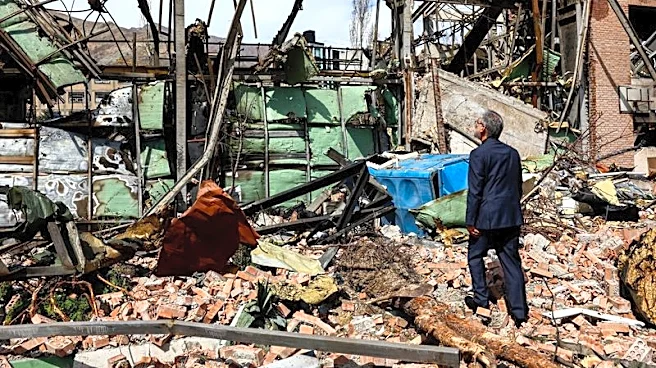
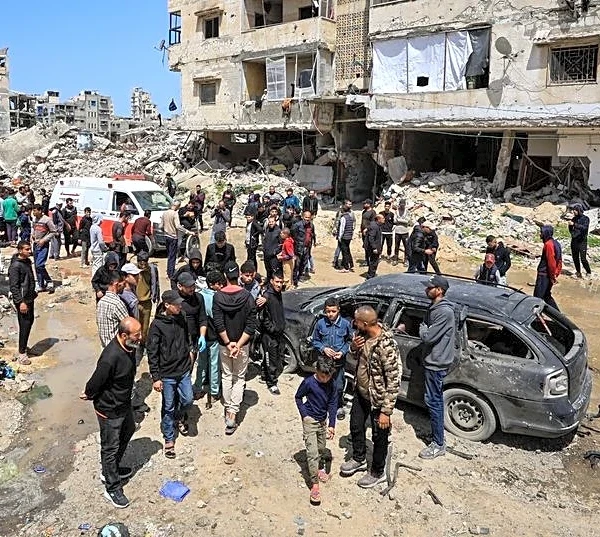
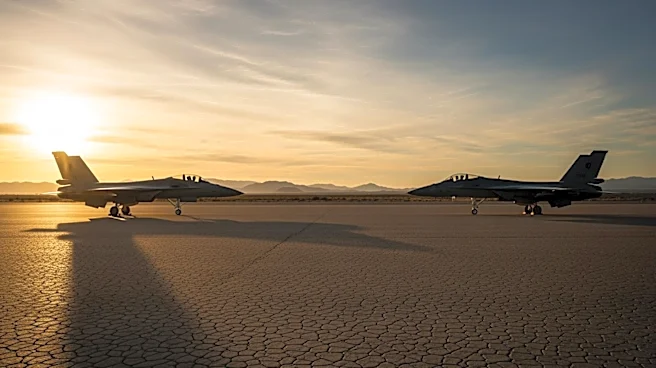
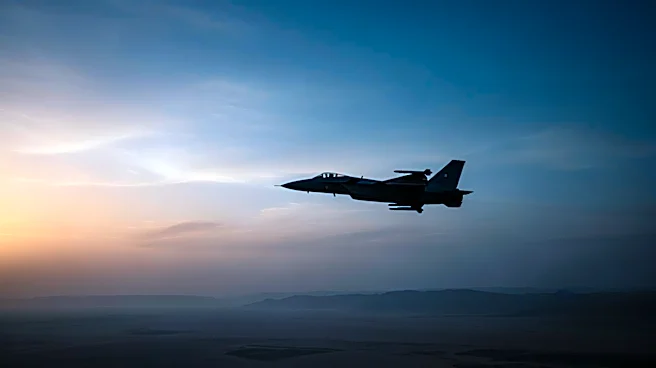
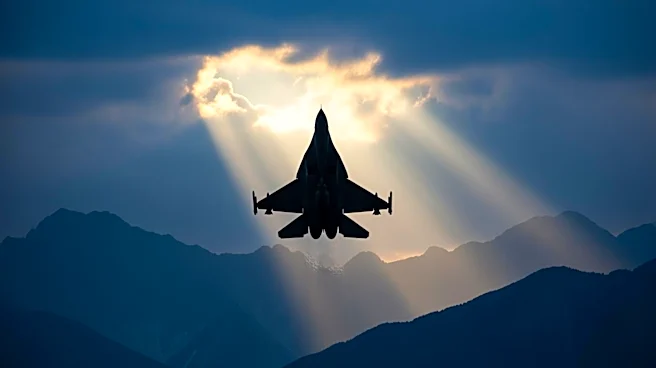
Two U.S. military planes were shot down in separate incidents over Iran, marking a dramatic escalation in the ongoing conflict. One crew member was rescued, while the whereabouts of another remain unknown. The incidents occurred amid Iran's attacks on Gulf
energy infrastructure and its control over the Strait of Hormuz. The situation has roiled global markets, with oil prices soaring and concerns over the cost of basic goods rising. The conflict continues to impact regional stability and international relations.
Why It's Important?
The downing of U.S. aircraft in Iran represents a significant escalation in the conflict, potentially increasing tensions between the U.S. and Iran. The incidents could lead to heightened military engagements and further destabilize the region. Iran's attacks on energy infrastructure and control over the Strait of Hormuz have already driven up oil prices, affecting global markets and the cost of basic goods. The situation underscores the strategic importance of the region and the potential for broader geopolitical consequences.
What's Next?
The U.S. may increase its military presence in the region to protect its interests and respond to Iranian aggression. Diplomatic efforts to de-escalate the conflict and secure the release of the missing crew member may intensify. The international community could pressure Iran to halt its attacks and engage in negotiations to resolve the crisis. The situation may lead to further disruptions in global oil supply and increased volatility in energy markets.
Beyond the Headlines
The incident raises questions about the legality and ethics of military actions in sovereign territories. It also highlights the complexities of international relations and the challenges of maintaining peace in volatile regions. The conflict may influence future U.S. foreign policy and defense strategies, affecting its approach to regional security and alliances.