




What's Happening?
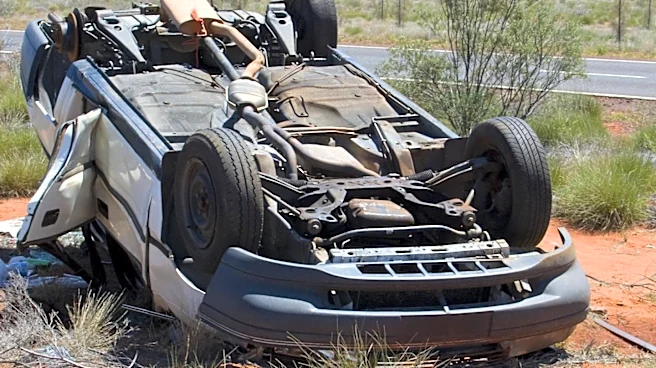
A six-car injury crash in downtown Tulsa on August 1 has brought Oklahoma's new felony DUI law into question. The incident involved a 2006 silver Toyota 4Runner, driven by 29-year-old Brandon Hohengarten, which struck five parked cars and injured two
people near Boston Avenue and Reconciliation Way. Surveillance video captured the vehicle hitting multiple cars before stopping near the Bob Dylan Center. Police found an empty BuzzBallz alcohol container in Hohengarten's SUV, and he reportedly had difficulty standing during a sobriety test, though he refused a breath test and denied drinking. Initially, Hohengarten was charged with misdemeanor DUI, driving without insurance, and having an open container. However, after FOX23 questioned the classification, the Tulsa District Attorney's Office reviewed the case and upgraded the DUI charge to a felony, citing the state's expanded aggravated DUI law which includes dangerous factors like causing a crash.
Why It's Important?
This case is important because it highlights the complexities and potential inconsistencies in the application of Oklahoma's updated felony DUI law. The initial misdemeanor charge, despite the severity of the crash and injuries, raised concerns about whether the law was being effectively enforced. The subsequent upgrade to a felony charge after media inquiry underscores the critical role of public and media scrutiny in ensuring legal accountability. This incident could influence how law enforcement and prosecutors handle future DUI cases, potentially leading to more rigorous initial assessments and felony charges when warranted. It also brings attention to the impact of impaired driving on public safety and the community, as evidenced by the injured individuals and damaged property. The case serves as a test for the state's commitment to deterring impaired driving through stricter penalties.
What's Next?
Brandon Hohengarten's DUI charge has been upgraded to a felony, and the legal proceedings will continue under this more severe classification. The Tulsa County District Attorney, Steve Kunzweiler, acknowledged that the initial police report lacked complete information, leading to the misdemeanor charge, and stated that a prosecutor should have identified the issue. This suggests that internal reviews or training may be implemented within the District Attorney's office to ensure consistent application of the felony DUI law. The outcome of Hohengarten's case will be closely watched, as it could set a precedent for how similar incidents are prosecuted in Oklahoma. The incident may also prompt further public discussion and legislative review regarding the clarity and enforcement of DUI laws in the state.
Beyond the Headlines
The incident delves deeper into the societal challenge of impaired driving and the legal system's response. The fact that a felony charge was only applied after external questioning suggests potential systemic issues in initial case assessment or communication between law enforcement and prosecutors. This raises questions about equitable justice and whether all similar cases receive the same level of scrutiny. Furthermore, the case highlights the human cost of impaired driving, with two individuals injured and multiple vehicles damaged. It also touches upon the broader debate surrounding bond conditions, as Kunzweiler noted that a felony charge could have affected Hohengarten's bond, which is intended to ensure court appearance rather than punishment. This incident serves as a stark reminder of the ongoing efforts to combat impaired driving and the continuous need for vigilance in legal enforcement.