


What's Happening?
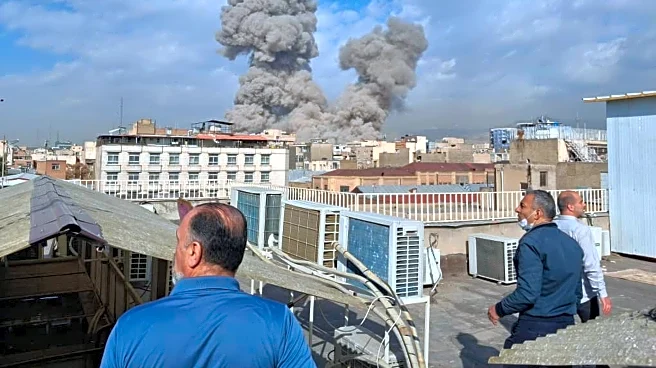
European leaders have expressed caution following the recent U.S.-Israeli military strikes on Iran, emphasizing that their forces did not participate in the operation. The strikes, initiated by President Trump, aimed to dismantle Iran's missile systems
and encourage regime change. European nations, including France, Germany, and the UK, have called for a return to diplomatic negotiations, highlighting concerns over a potential escalation that could destabilize the region and impact global trade. Despite their reluctance to join the military action, European leaders have condemned Iran's retaliatory strikes and stressed the importance of regional stability.
Why It's Important?
The European response underscores the complexities of transatlantic relations, particularly in the context of military interventions. The reluctance of European nations to support the U.S.-Israeli strikes reflects concerns over the potential for a prolonged conflict that could have significant geopolitical and economic repercussions. The situation also highlights the challenges Europe faces in balancing its diplomatic stance with the actions of an unpredictable U.S. administration. The outcome of this conflict could influence future international relations and the stability of the Middle East, affecting global markets and security dynamics.
What's Next?
European leaders are likely to continue advocating for diplomatic solutions and may seek to engage in discussions at international forums such as the United Nations. The focus will be on preventing further escalation and ensuring the protection of European interests and personnel in the region. The situation may also prompt a reevaluation of Europe's role in global security and its relationship with the U.S., particularly in light of recent unilateral actions by the Trump administration.
Beyond the Headlines
The strikes on Iran could have long-term implications for international law and the global order. Europe's cautious response may reflect a broader concern about the erosion of multilateralism and the potential for increased unilateral military actions. The situation also raises questions about the future of the Iran nuclear deal and the role of European nations in mediating conflicts in the Middle East. As the situation develops, the balance between military intervention and diplomatic engagement will be a critical factor in shaping the region's future.