




What's Happening?
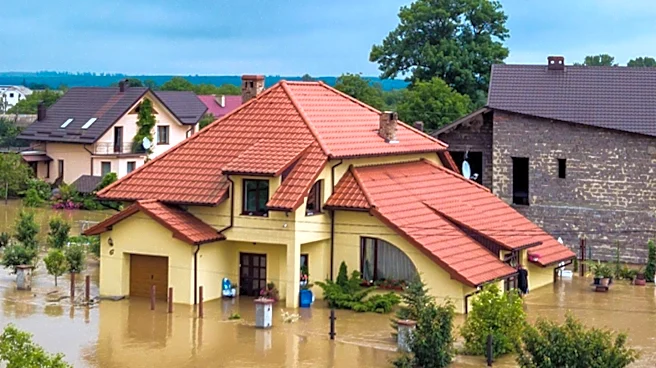
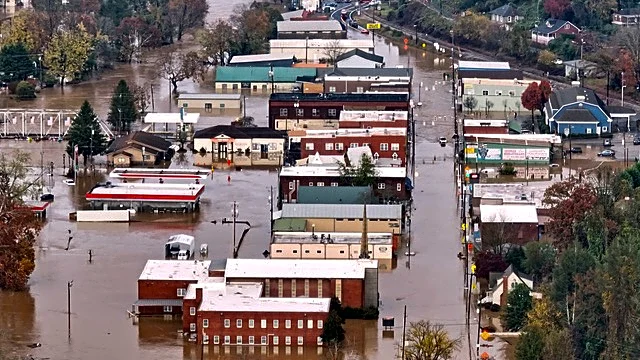
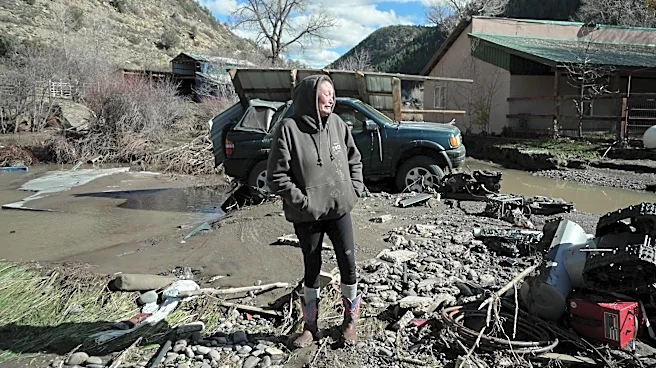
Recent flooding across the U.S. Southwest has provided a significant, albeit temporary, boost to reservoirs that have been at record lows due to a prolonged megadrought. Storms in late October and early November caused creeks to overflow, leading to localized
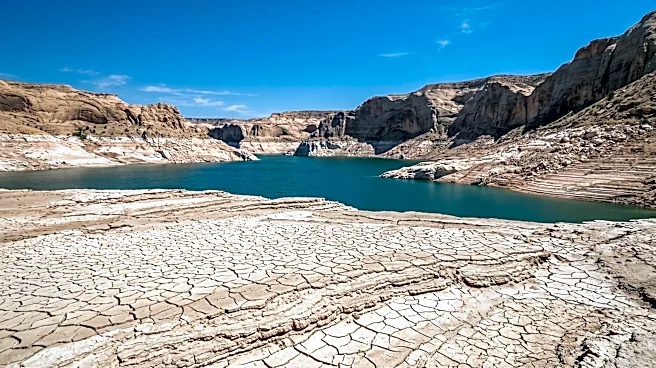
flooding and evacuations. Much of this water is now flowing into depleted lakes and underground aquifers. Lake Powell, the nation's second-largest reservoir, has seen its water level rise by over 20 feet from its mid-September low, surpassing gains from this year's snowmelt. Despite this increase, Lake Powell remains just over a quarter full, with most of its boat launches still unusable. Cities like Pagosa Springs, Colorado, and Flagstaff, Arizona, have reported some of their wettest weather in decades, leading to the lifting of water restrictions and substantial increases in local water supplies. For instance, Upper Lake Mary, a key water source for Flagstaff, received over 3 billion gallons of water since early October.
Why It's Important?
This influx of water offers critical, though likely temporary, relief to a region grappling with severe water scarcity. The Southwest has been in a megadrought for years, impacting agriculture, urban water supplies, and ecosystems. While the recent floods are a positive development for reservoir levels, they do not fundamentally alter the long-term drought conditions or water management strategies for the Colorado River basin. The federal plan for managing the Colorado River's Lower Basin still mandates significant water use reductions for California, Nevada, and Arizona over the next two years. The temporary relief highlights the region's vulnerability to climate variability, where extreme weather events, both droughts and floods, are becoming more common. The legal challenges by Nevada and Arizona against the federal water reduction plan underscore the ongoing tensions and difficulties in achieving sustainable water management in the face of a drier future.
What's Next?
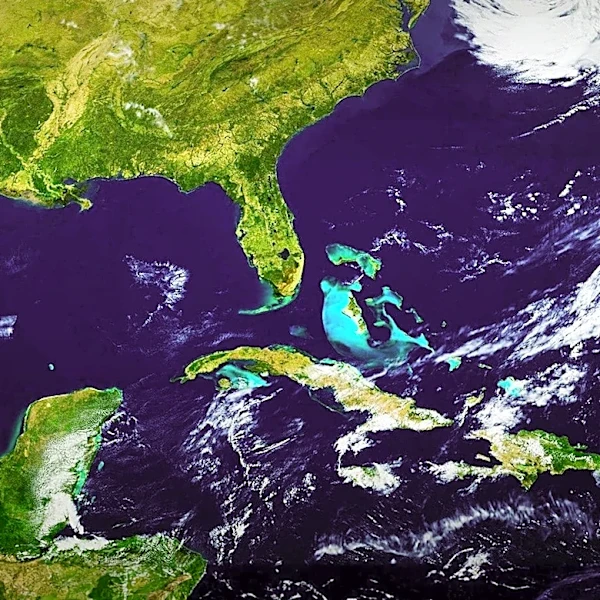
Despite the recent gains, the U.S. Bureau of Reclamation is unlikely to alter its water release decisions from Lake Powell or other reservoirs until the snowpack peaks, typically around April. Experts anticipate that the impacts of El Niño, which has intensified recent heavy rains and floods, will continue for several more months, potentially further boosting water supplies across the West. However, the region remains in a drought, and the long-term outlook still points to a drier future. Some Arizona cities are already funding preliminary work to expand dams and capture more storm runoff to reduce their reliance on the Colorado River. The ongoing legal challenges to the federal water reduction plan by Nevada and Arizona will continue to shape future water allocation policies. Communities will need to continue implementing water conservation measures and developing resilient water infrastructure to adapt to the changing climate.
Beyond the Headlines
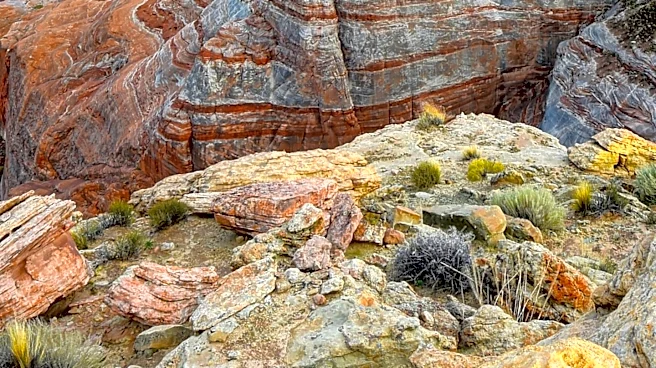
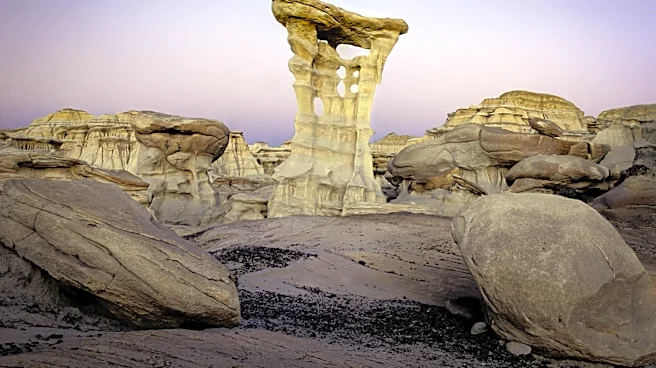
The recent flooding underscores the complex and often contradictory impacts of climate change, where prolonged droughts can be punctuated by intense, short-duration precipitation events. While these floods provide immediate relief to water levels, they also highlight the need for infrastructure capable of managing both extremes: capturing floodwaters efficiently while also conserving water during extended dry periods. The reliance on natural phenomena like El Niño for water replenishment, rather than consistent, long-term precipitation, points to the precariousness of the region's water security. This situation also raises questions about the effectiveness of current water management policies and the need for more adaptive strategies that account for increased climate variability. The re-emergence of land and geologic formations previously submerged since Lake Powell's creation in the 1960s serves as a stark visual reminder of the dramatic hydrological changes occurring in the Southwest.