




What's Happening?
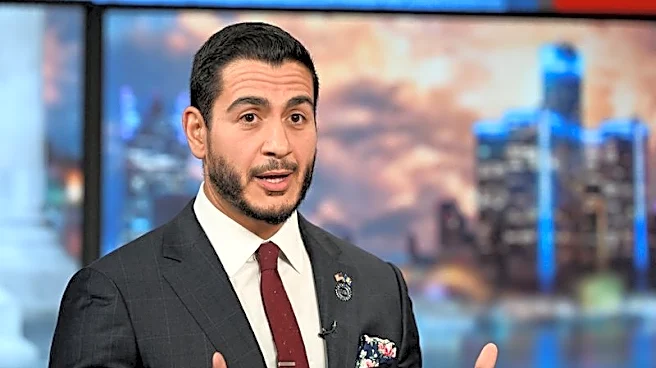
Michigan's Democratic Senate primary is drawing significant attention as it pits moderate Rep. Haley Stevens against progressive Abdul El-Sayed. The race is crucial for Democrats aiming to retain the seat of retiring Senator Gary Peters. Stevens, backed
by establishment figures like Governor Gretchen Whitmer and Senate Minority Leader Chuck Schumer, is positioned as a strong general election candidate. In contrast, El-Sayed, supported by progressives like Bernie Sanders and Alexandria Ocasio-Cortez, appeals to voters seeking outsider candidates. The primary underscores the ongoing tension between the party's moderate and progressive wings, with significant outside spending influencing the race.
Why It's Important?
The outcome of this primary could have significant implications for the Democratic Party's strategy and unity. Winning this seat is vital for Democrats to maintain or gain control of the Senate. The race also reflects broader national trends within the party, where moderates and progressives vie for influence. The primary's result could shape the party's approach to future elections, affecting candidate selection and policy priorities. Additionally, the involvement of pro-Israel groups and their financial backing highlights the role of external influences in shaping electoral outcomes.
What's Next?
As the primary date approaches, both candidates will intensify their campaigns to secure voter support. The Democratic Party will need to navigate the internal divisions and work towards unity to maximize their chances in the general election. The primary's outcome will likely influence the party's strategy in other key races across the country. Observers will be watching to see how the party reconciles its internal differences and whether it can present a unified front in the general election.