



What's Happening?
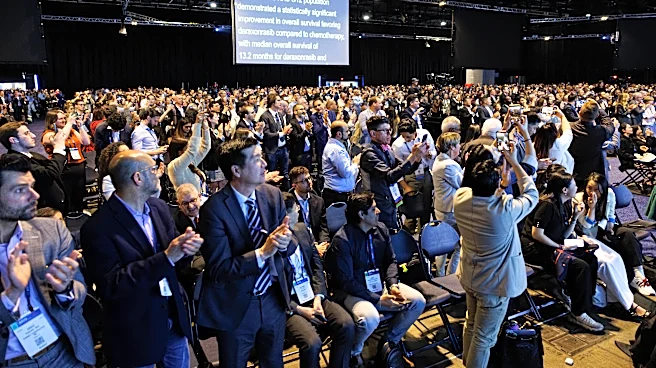
During the ASCO Voices session in Chicago, three cancer survivors shared their experiences and insights on improving cancer care. Megan Claire-Chase, a breast cancer survivor, emphasized the critical need for inclusive clinical trials, particularly for underrepresented
communities. She highlighted the historical distrust in clinical trials within Black communities due to past unethical studies like the Tuskegee syphilis study. Jenna Benn Shersher, founder of Twist Out Cancer, discussed the importance of creative expression in healing, sharing how her blog became a coping mechanism during her battle with gray zone lymphoma. Boluwatife Adeola Aofolaju, a brain tumor survivor, spoke about the challenges faced after treatment, advocating for better support systems for survivors dealing with post-treatment issues.
Why It's Important?
The stories shared by these survivors underscore the necessity of inclusive clinical trials to ensure treatments are effective across diverse populations. This is crucial for developing therapies that work for all patients, not just a select few. Additionally, the emphasis on holistic care, including emotional and psychological support, highlights the need for a comprehensive approach to cancer treatment. This approach can improve patient outcomes and quality of life, addressing not just the physical but also the emotional and psychological aspects of cancer survivorship. The insights from these survivors can guide healthcare providers and policymakers in creating more inclusive and supportive cancer care systems.
What's Next?
The call for more inclusive clinical trials and holistic care is likely to influence future cancer research and treatment protocols. Researchers and healthcare providers may work towards developing more representative clinical trials and integrating creative and emotional support into standard care practices. This could lead to policy changes that mandate broader eligibility criteria for trials and increased funding for programs that support the emotional and psychological well-being of cancer patients and survivors. Advocacy from survivors and patient groups will be crucial in driving these changes.
Beyond the Headlines
The discussions at ASCO highlight a broader cultural shift towards recognizing the importance of patient-centered care in oncology. This includes acknowledging the diverse experiences of cancer patients and the need for treatments that are not only scientifically effective but also culturally sensitive and emotionally supportive. The integration of art and storytelling in cancer care, as demonstrated by Twist Out Cancer, represents a growing recognition of the therapeutic potential of creative expression in healing. These developments could lead to a more empathetic and comprehensive healthcare system that values the voices and experiences of all patients.