


What's Happening?
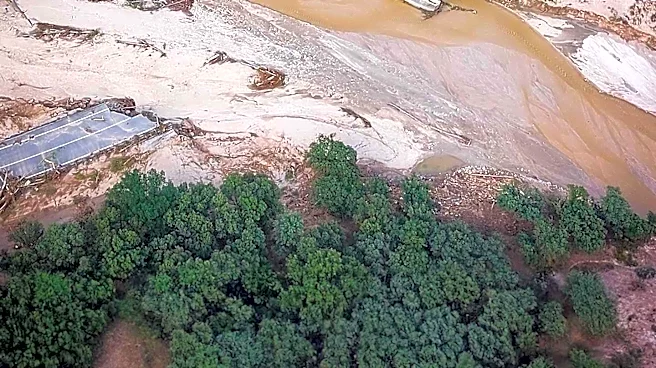
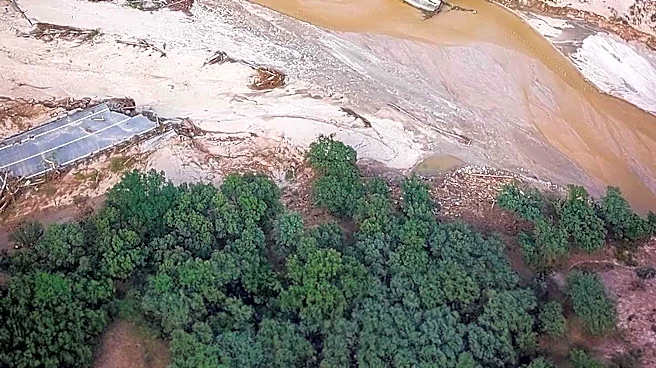
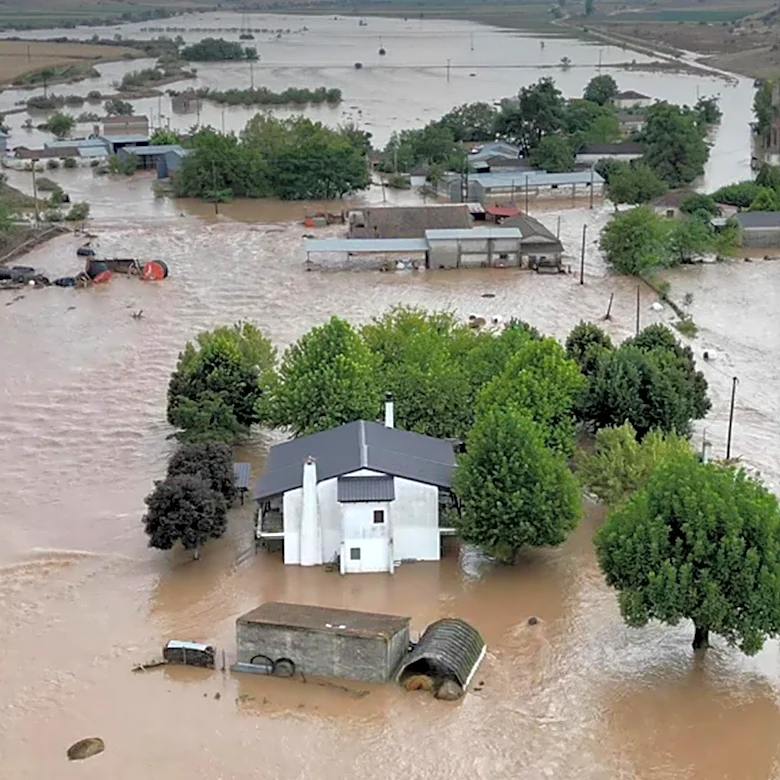
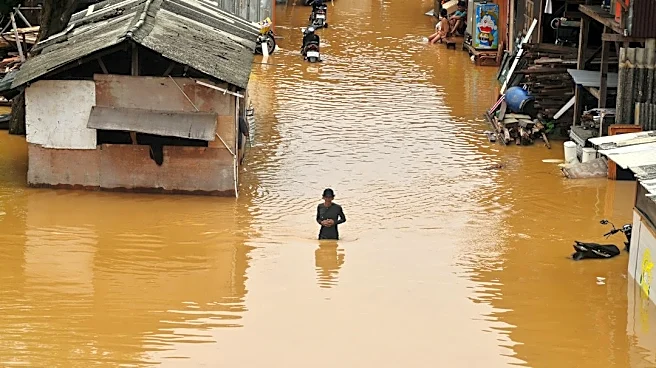
The U.S. Southwest is facing significant cleanup efforts after nearly two weeks of intermittent heavy rainfall caused widespread flooding, leaving many areas caked in mud and homes shattered. In Pagosa Springs, Colorado, the downtown area remains closed
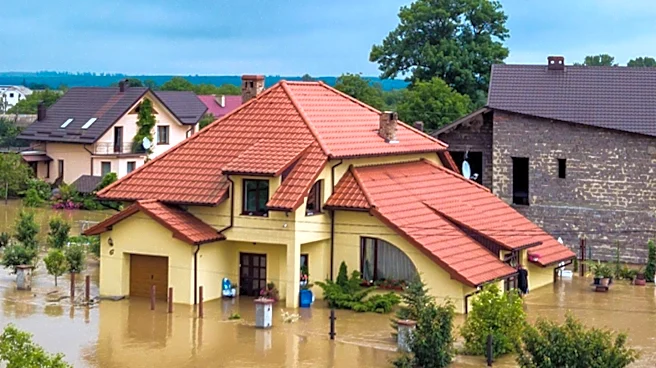
to traffic as workers use heavy equipment to clear roads, and bridges have collapsed or are heavily damaged. Willow Bradner in Durango, Colorado, reported her ranch-style home was surrounded by two feet of mud, with nearly five feet of water entering her basement. Many residents, like Jack Ellis, a retired schoolteacher in Pagosa Springs, describe the situation as a disaster, emphasizing the need for extensive digging and rebuilding. The region has received over 20 trillion gallons of rain in the past two weeks, equivalent to ten months of Niagara Falls flow, according to former National Oceanic and Atmospheric Administration chief scientist Ryan Maue. This follows an already wet fall, leading to saturated ground and persistent flood risks. One person has died in the floodwaters, and another death is suspected to be weather-related. Some rivers, however, crested lower than forecasted, offering a slight reprieve to areas like Shiprock and Farmington in northwestern New Mexico, though major rivers in the area remain above flood stage.
Why It's Important?
The extensive flooding and mud damage across the U.S. Southwest carry significant economic and social implications for the affected communities. Homeowners like Willow Bradner, who were previously told they were not in a flood zone, are now facing the loss of their homes and the majority of their savings, highlighting potential gaps in flood insurance coverage and risk assessment. The destruction of infrastructure, including roads, bridges, and businesses, will lead to substantial repair costs and disruptions to local economies, particularly in tourist-dependent areas like Pagosa Springs. The need for prolonged cleanup and rebuilding efforts will strain local resources and potentially impact property values. Furthermore, the disruption to daily life, including the relocation of polling places and challenges for mail-in ballot delivery, underscores the broader societal impact of such extreme weather events. The event also raises questions about the adequacy of current urban planning and infrastructure to withstand increasingly severe weather patterns, potentially prompting a reevaluation of flood zone designations and emergency preparedness strategies.
What's Next?
As skies clear, the immediate focus for the U.S. Southwest is on recovery and cleanup. San Juan County, New Mexico, anticipates lifting evacuation orders for at least 20,000 residents soon, shifting attention to long-term recovery efforts. Local authorities will need to coordinate extensive debris removal and infrastructure repairs, which could take weeks or longer. Communities like Durango, Colorado, are finalizing details on debris removal, urging residents to stockpile debris responsibly. The U.S. Postal Service, through contract carriers like Alyssa Gallegos, is working to ensure essential services like mail-in ballot delivery continue despite the challenges. The long-term outlook involves assessing and potentially updating flood risk maps and infrastructure resilience in light of the recent events. The experience may also prompt discussions about the role of climate change in exacerbating such extreme weather and the need for more robust preventative measures and adaptive strategies for communities in vulnerable regions.
Beyond the Headlines
The recent flooding in the U.S. Southwest highlights a deeper, less obvious implication concerning the intersection of climate change, urban development, and community resilience. The unexpected severity of the flooding, particularly in areas not traditionally designated as flood zones, suggests a potential shift in weather patterns and an increased vulnerability for previously considered safe locations. This could lead to a re-evaluation of how flood risks are assessed and communicated to the public, potentially impacting real estate markets and insurance policies nationwide. The emotional and financial toll on residents, many of whom have lost their homes and life savings, underscores the human cost of these events and the need for more comprehensive disaster preparedness and recovery support systems. Furthermore, the disruption to civic processes, such as voting, reveals how extreme weather can impinge on democratic functions, prompting a need for resilient contingency plans. The events may also spur a broader conversation about sustainable development practices and the imperative to adapt to a changing climate, moving beyond reactive cleanup to proactive mitigation and adaptation strategies.