





What's Happening?
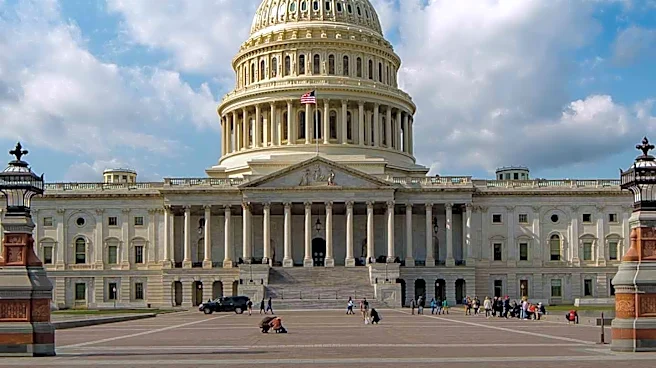
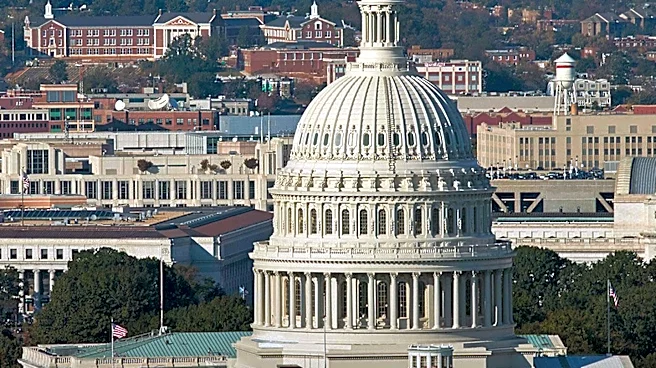
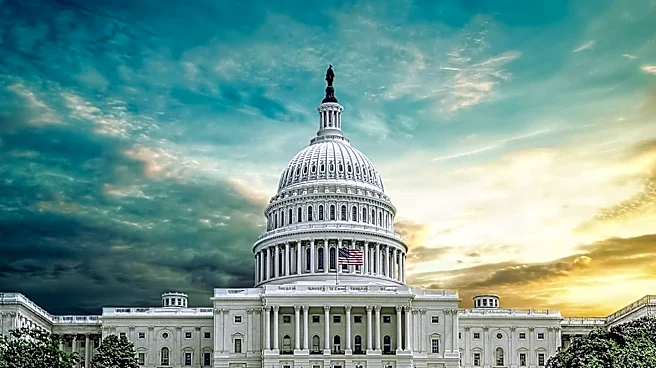
Congress is facing a potential government shutdown as the September 30 deadline for federal appropriations approaches. The appropriations process has slowed due to election-year tensions and the use of budget reconciliation by GOP leaders to bypass Democrats.
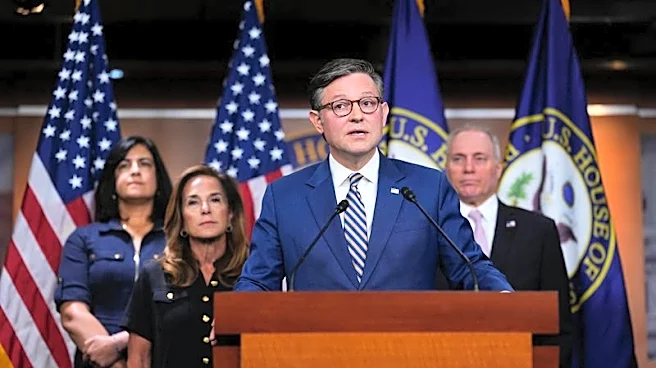
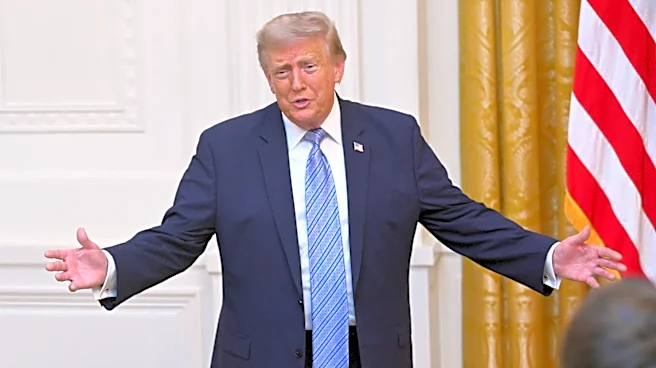
Speaker Mike Johnson plans to hold a House vote on a stopgap spending measure to fund the government through the November midterm elections. However, President Trump has threatened to hold any stopgap bill hostage unless the Senate passes the SAVE America Act, which lacks sufficient support. This has created uncertainty about whether a continuing resolution can be agreed upon to prevent a shutdown.
Why It's Important?
A government shutdown could have significant impacts on federal employees, contractors, and services. It would disrupt government operations and potentially affect the economy. The standoff reflects deeper political divisions, with both parties testing the waters ahead of the midterm elections to assess blame for a shutdown. Democrats face pressure from progressive activists to oppose funding for Trump administration priorities, while Republicans are challenged by Trump's demands. The situation underscores the complexities of budget negotiations in a polarized political environment.
What's Next?
If a stopgap measure is not agreed upon, a government shutdown could occur, affecting various stakeholders. Political leaders will need to navigate internal party dynamics and public opinion to reach a resolution. The outcome of the midterm elections could influence future budget negotiations and spending policies. Both parties may use the shutdown threat to rally their bases and influence voter turnout.