
What's Happening?
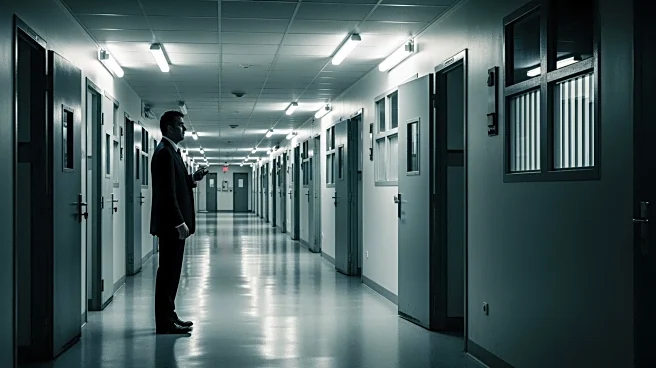
The Dilley Immigration Processing Center in Texas is under scrutiny following reports of harsh conditions affecting child detainees. Families and their legal representatives have described the facility
as prison-like, with children experiencing nightmares, inedible food, and inadequate medical care. The situation gained national attention after a photograph of a 5-year-old boy, Liam Conejo Ramos, in federal custody went viral, highlighting the distress faced by children at the center. The facility, which has seen an influx of detainees since the resumption of large-scale family detention, is also dealing with a measles outbreak, raising public health concerns. The Department of Homeland Security has defended its practices, stating that detainees receive comprehensive medical care.
Why It's Important?
The conditions at the Dilley facility underscore ongoing debates about the U.S. immigration system, particularly the treatment of families and children. The reports of inadequate living conditions and health risks could influence public opinion and policy discussions on immigration enforcement and family detention practices. The situation also raises questions about the balance between national security and human rights, as well as the effectiveness of current immigration policies. Stakeholders, including lawmakers and advocacy groups, may use this case to push for reforms in how immigrant families are treated while in detention.
What's Next?
The public outcry and media attention may prompt further investigations into the conditions at the Dilley facility and similar centers. Advocacy groups are likely to continue pressing for policy changes, potentially leading to legislative proposals aimed at improving conditions for detainees. The Department of Homeland Security may face increased pressure to provide transparency and accountability regarding its detention practices. Additionally, the ongoing measles outbreak could lead to heightened scrutiny of health protocols in detention centers.