






What's Happening?
South Africa is undergoing a significant transition from coal-fired electricity to renewable energy sources. However, this shift is complicated by the legacy of abandoned coal mines, which have not been properly rehabilitated. A report by the Centre for
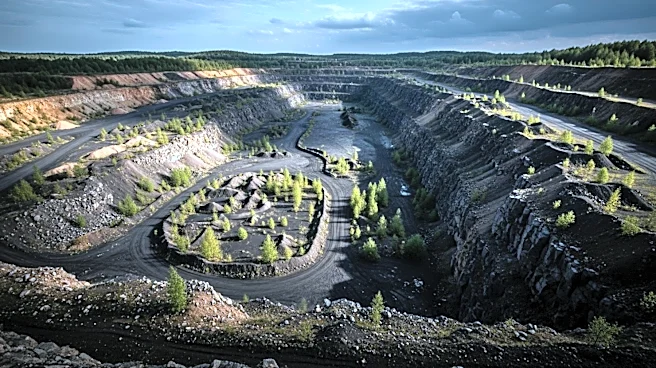
Environmental Rights highlights that none of the 412 coal mines closed between 2006 and 2023 had sufficient funds set aside for land rehabilitation. This has resulted in environmental damage, including contaminated water and radioactive waste, which poses long-term risks to surrounding communities. The Mpumalanga region, a hub for coal mining and power generation, is particularly affected. Environmentalists criticize the South African government for inadequate enforcement of regulations that require mining companies to clean up after operations cease.
Why It's Important?
The failure to rehabilitate abandoned coal mines in South Africa has significant environmental and economic implications. The ongoing contamination of land and water resources threatens public health and the environment, potentially leading to costly cleanup efforts funded by taxpayers. Additionally, the transition away from coal is causing economic hardship in mining communities, as job losses mount without adequate support for alternative employment. This situation underscores the need for stronger regulatory oversight and enforcement to ensure mining companies fulfill their environmental responsibilities. The broader shift to renewable energy is crucial for reducing carbon emissions, but it must be managed in a way that addresses the socio-economic impacts on affected communities.
What's Next?
To address these challenges, the report recommends stricter oversight of mine closures and the establishment of a public online system to track mine locations, closure plans, and rehabilitation funds. This would enhance transparency and accountability, allowing communities and regulators to better plan for mine closures. The report also calls for the creation of independent watchdog bodies to investigate violations and ensure compliance with environmental regulations. Furthermore, it suggests that mine closures should include plans for economic transition in affected communities, such as training programs for former coal workers in sustainable industries. These measures aim to prevent future environmental degradation and support a just transition to renewable energy.
Beyond the Headlines
The issue of abandoned mines in South Africa highlights broader ethical and legal challenges in the global transition to renewable energy. Ensuring that mining companies are held accountable for environmental damage is crucial for sustainable development. The situation also raises questions about the role of government in enforcing environmental laws and protecting vulnerable communities. As countries worldwide move away from fossil fuels, similar challenges may arise, emphasizing the need for comprehensive policies that balance environmental protection with economic and social considerations. The South African case serves as a cautionary tale for other nations embarking on energy transitions.