






What's Happening?
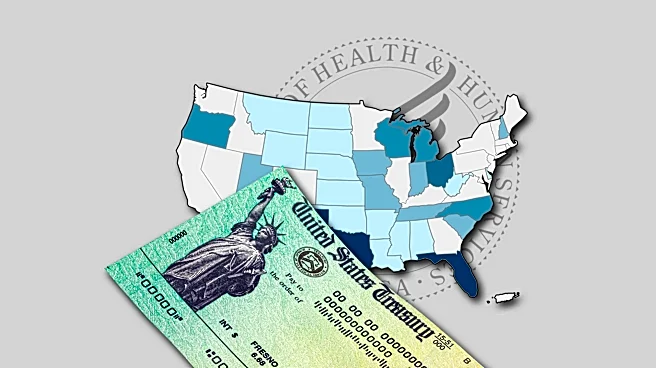
The Trump administration is preparing to mail refund checks of $500 to nearly 1 million Americans, asserting that these individuals were overcharged for Obamacare insurance. The Treasury Department is slated to release these checks to more than 950,000
Americans across 30 states starting in October. According to the White House, the "Biden administration overcharged Americans through Obamacare plan exchange 'user fees' that were passed on to consumers." The refund checks are specifically for individuals who did not receive premium assistance under the Affordable Care Act (ACA) and paid full premiums in the 30 states that utilize the federal exchange for Obamacare. These states include Alabama, Alaska, Arizona, Arkansas, Delaware, Florida, Hawaii, Indiana, Iowa, Kansas, Louisiana, Michigan, Mississippi, Missouri, Montana, Nebraska, New Hampshire, North Carolina, North Dakota, Ohio, Oklahoma, Oregon, South Carolina, South Dakota, Tennessee, Texas, Utah, West Virginia, Wisconsin, and Wyoming. The checks will reportedly include letters signed by President Trump.
Why It's Important?
This initiative by the Trump administration carries significant political and economic implications. Politically, it frames the refund as a direct response to perceived overcharges under the Affordable Care Act, potentially influencing public perception of healthcare policy and the current administration's efforts to address consumer costs. Economically, the distribution of $500 checks to nearly a million Americans represents a substantial financial outlay, totaling approximately $475 million. While this provides a direct financial benefit to the recipients, it also raises questions about the source of these funds and the long-term fiscal impact. The action targets a specific segment of the population—those who paid full premiums without federal subsidies—highlighting a particular grievance with the ACA's financial structure. The inclusion of letters signed by President Trump further underscores the political messaging behind this financial distribution, aiming to connect the relief directly to the administration's actions.
What's Next?
The mailing of these refund checks is set to begin shortly, with the largest number of refunds anticipated for residents in Texas and Florida. This action will likely generate public discussion regarding healthcare costs, the Affordable Care Act, and the role of government in consumer financial relief. It may also prompt responses from political figures and healthcare policy experts, potentially leading to debates about the accuracy of the "overcharge" claim and the broader financial implications of the ACA. For the recipients, the checks will provide immediate financial relief. However, the long-term impact on healthcare policy and public opinion regarding the ACA remains to be seen. The administration's move could also set a precedent for future administrations to issue similar refunds based on their interpretations of federal program costs, potentially leading to more direct financial interventions tied to specific policy critiques.
Beyond the Headlines
Beyond the immediate financial relief and political messaging, this action by the Trump administration delves into the complex and often contentious debate surrounding the Affordable Care Act. The claim of "overcharged" user fees highlights a specific critique of the ACA's funding mechanisms and administrative costs. This move could be interpreted as an attempt to dismantle or discredit aspects of the ACA through direct financial intervention, rather than legislative reform. It also raises questions about the transparency and justification of such refunds, particularly when framed as rectifying past overcharges. The use of presidential letters accompanying the checks blurs the lines between government service and political communication, potentially setting a precedent for how future administrations might leverage federal disbursements for political messaging. This initiative underscores the ongoing ideological battle over healthcare in the U.S. and the various strategies employed by different administrations to shape public perception and policy outcomes.