





What's Happening?
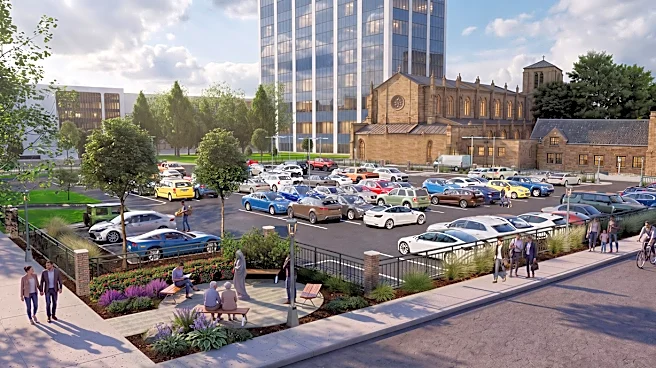
Rhode Island is home to hundreds of historical cemeteries, many of which are located in surprising and unconventional places, often integrated into modern commercial and public spaces. These burial grounds, originally family plots on farms, can now be
found behind car dealerships, next to Dunkin' drive-throughs, within airport grounds, and even in the parking lots of gas stations and shopping centers. Examples include Cranston 26 and Cranston 50 behind the Tasca Automotive Group, Cranston 28 in front of the Division of Motor Vehicles headquarters, and Cranston 64 and Cranston 18 in the parking lot of a Shell station. The presence of these cemeteries has sometimes influenced the design and layout of contemporary structures, such as the Flood Ford building in East Greenwich, which was built to avoid disturbing graves.
Why It's Important?
The widespread presence of historical cemeteries in unexpected locations across Rhode Island highlights the state's rich and layered history, where past and present coexist in unique ways. This phenomenon underscores the challenges and considerations involved in urban development and land use planning, as developers must navigate the preservation of historical sites while accommodating modern infrastructure. For local communities, these cemeteries serve as tangible links to their heritage, prompting discussions about historical preservation, property rights, and the respectful integration of ancestral lands into contemporary life. The unique placement of these sites also offers educational opportunities, raising public awareness about early Rhode Island settlement patterns and burial customs, and the importance of protecting such historical assets.
What's Next?
The ongoing discovery and documentation of these historical cemeteries will likely continue to influence land development projects and preservation efforts in Rhode Island. The Rhode Island Historical Cemetery Commission database plays a crucial role in tracking these sites, and its information will continue to be vital for developers, historians, and the public. Future urban planning and construction projects will need to account for the presence of these burial grounds, potentially leading to more creative architectural solutions or designated preservation zones. Public awareness campaigns and local historical societies will likely continue to advocate for the protection and respectful maintenance of these sites, ensuring that Rhode Island's unique historical landscape is preserved for future generations. There may also be continued efforts to make these sites more accessible for historical research and public viewing, where appropriate.
Beyond the Headlines
The integration of historical cemeteries into modern commercial landscapes in Rhode Island raises deeper questions about the value society places on historical memory and the sacredness of burial grounds in an increasingly developed world. It highlights a tension between economic progress and cultural heritage, prompting ethical considerations about how we honor the past while building for the future. These sites serve as silent reminders of the transient nature of human endeavors and the enduring presence of those who came before. The legal frameworks and community efforts to protect these cemeteries reflect a societal commitment to preserving historical integrity, even when it presents logistical challenges. This unique aspect of Rhode Island's landscape encourages a re-evaluation of how historical spaces are perceived and managed within a contemporary context, fostering a deeper appreciation for the state's unique heritage.