




What's Happening?
A 'Super El Niño' is predicted to significantly alter winter climbing conditions across North America, with a greater than 90% chance of becoming very strong. This phenomenon is expected to bring wetter-than-normal conditions to popular winter rock climbing destinations
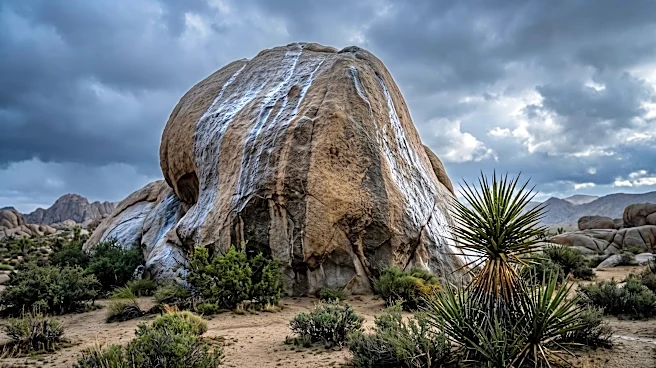
in the southern U.S., including Joshua Tree, southern Arizona, and Hueco Tanks. The Southeast is also historically wetter during strong El Niños. Conversely, the Pacific Northwest, central and northern Idaho, western Montana, and northwest Wyoming are anticipated to experience warmer and drier conditions than usual from November through March. This shift in weather patterns could make traditional winter climbing circuits less reliable, potentially leading to more precipitation in areas typically sought for dry rock climbing. Ice climbing conditions are also expected to be affected, with warmer air masses potentially pushing freezing levels higher and impacting ice quality and stability. Forecasters emphasize that while these are seasonal outlooks, they indicate a shift in probabilities for weather patterns.
Why It's Important?
The anticipated 'Super El Niño' carries significant implications for the U.S. outdoor recreation industry, particularly for rock and ice climbing. Businesses and guides operating in popular winter climbing areas in the southern U.S. may face reduced demand or operational challenges due to increased precipitation and potentially unstable rock conditions. This could lead to economic losses for local economies reliant on climbing tourism. Conversely, regions in the Pacific Northwest and northern Rockies, which are projected to be warmer and drier, might see an unexpected increase in climbing activity, potentially boosting local businesses there. For climbers, the need for flexible planning and reliance on short-term forecasts becomes paramount, impacting travel decisions and safety considerations. The unpredictability of ice conditions could also pose increased risks for ice climbers, potentially leading to more accidents or a shorter, less reliable ice climbing season in some areas.
What's Next?
Climbers and outdoor enthusiasts are advised to stay flexible with their plans and closely monitor short-term weather forecasts. Experts recommend utilizing forecasting apps and tools like NOAA, National Weather Service point forecasts, Mountain-Forecast, Windy, and Meteoblue, which provide access to various meteorological models. For specific climbing areas, ClimbingWeather.com aggregates data for U.S. locations. Businesses in the climbing industry may need to adapt their offerings or marketing strategies to account for the shifting weather patterns, potentially promoting destinations less affected by the El Niño's adverse conditions. Local authorities and park services in affected areas might issue advisories or closures if conditions become unsafe for climbing. The long-term impact could see a shift in popular climbing destinations during winter months, as climbers seek more reliable conditions.
Beyond the Headlines
The 'Super El Niño' highlights the broader impact of climate phenomena on niche recreational activities and local economies. Beyond the immediate challenges for climbers, this event underscores the increasing need for climate resilience and adaptability within the outdoor industry. It also brings into focus the scientific advancements in climate modeling and forecasting, which, while not perfect, provide crucial information for planning and risk mitigation. The shift in weather patterns could also influence ecological systems in climbing areas, potentially affecting rock stability, vegetation, and water resources, which in turn could have long-term consequences for the climbing environment. This situation serves as a micro-example of how global climate patterns can have tangible, localized effects on human activities and natural landscapes.