


What's Happening?
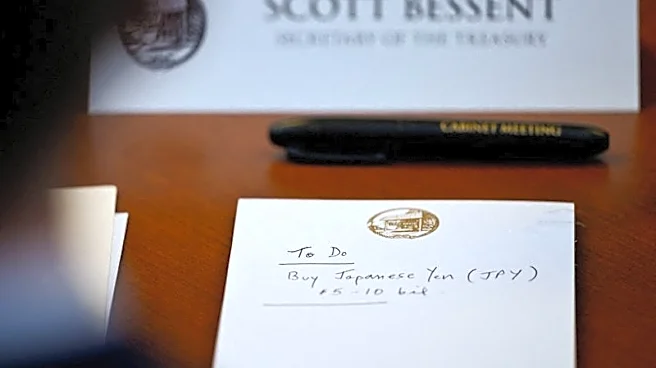
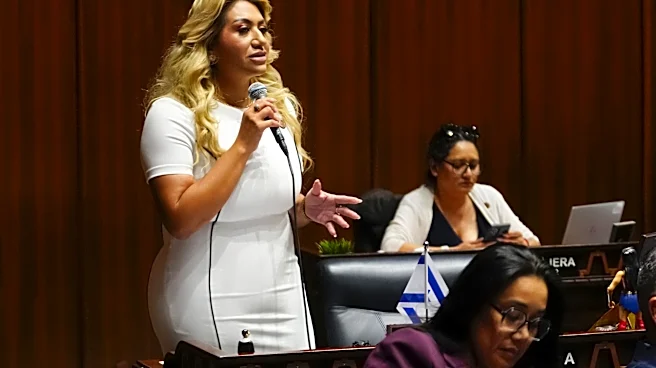
The Trump administration is unveiling new guidance to expand incentives for employers to offer paid family leave. Treasury Secretary Scott Bessent and House Speaker Mike Johnson will join Representative Juan Ciscomani in Arizona to discuss the policy.
The initiative builds on a tax credit established in 2017, allowing employers to claim credits if they provide at least two weeks of family and medical leave at 50% of an employee's wages. The new guidance permits employers to claim the credit if they pay insurance premiums for leave coverage. This policy aims to encourage businesses to support employees without federal mandates, as the U.S. remains the only OECD country without a national paid leave requirement.
Why It's Important?
The expansion of paid family leave incentives is significant as it addresses a critical gap in U.S. labor policy, where many workers lack access to paid leave. By offering tax credits, the administration seeks to motivate employers to voluntarily provide this benefit, potentially improving work-life balance for employees. This policy could influence voter perceptions ahead of the midterm elections, as economic issues remain a key concern. The initiative also reflects ongoing debates about the role of government versus private sector solutions in addressing social welfare needs.
What's Next?
The implementation of this policy will likely be monitored closely by both political parties and business groups. Republicans may use it to bolster their economic platform, while Democrats could argue for more comprehensive federal mandates. The effectiveness of the tax credit in increasing paid leave availability will be a point of analysis, potentially influencing future legislative efforts. As the midterms approach, the policy's reception among voters and its impact on employer practices will be critical in shaping the political narrative.