





What's Happening?
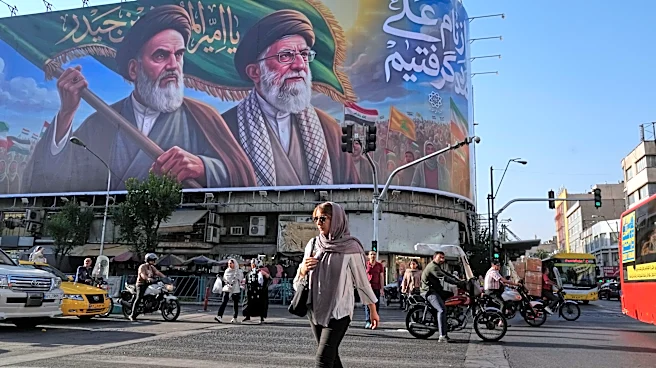
Prime Minister Benjamin Netanyahu is convening a security meeting with Defense Minister Israel Katz and senior defense officials following an Israeli strike on Hezbollah targets in Beirut's Dahieh district. This action has prompted threats from Iran,
raising concerns about potential escalation. The meeting will focus on the Lebanese front and the possibility of further actions by Hezbollah and Iran. A security official indicated that while the likelihood of an Iranian attack is currently assessed as low, Israel remains prepared for any scenario. The strike in Dahieh represents a significant shift in Israel's approach to Hezbollah, with a new policy of retaliating directly against Beirut if Israeli territory is attacked.
Why It's Important?
The developments underscore the fragile security situation in the Middle East, with potential implications for regional stability. Israel's decision to strike Hezbollah targets in Beirut marks a departure from previous strategies, potentially escalating tensions with both Hezbollah and Iran. This could lead to broader military engagements, affecting not only regional security but also international diplomatic relations. The coordination with the United States suggests a broader geopolitical dimension, as any escalation could involve global powers. The situation also highlights the ongoing volatility in Israeli-Lebanese relations and the persistent threat posed by Hezbollah's military capabilities.
What's Next?
Israel's defense establishment is on high alert, prepared for various scenarios, including potential retaliatory actions by Iran or Hezbollah. The security cabinet's discussions may lead to further military or diplomatic measures to deter aggression. The international community, particularly the United States, may play a role in mediating tensions to prevent further escalation. Domestically, Israel may implement additional security measures to protect its citizens, including heightened military readiness and public safety advisories.