






What's Happening?
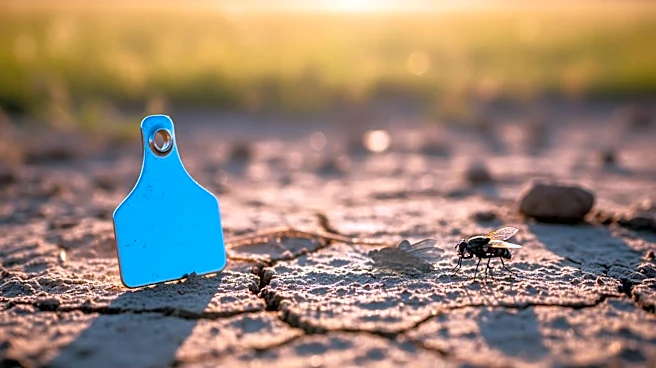
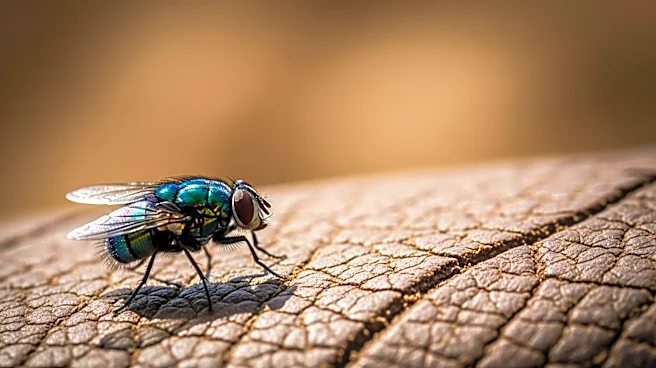
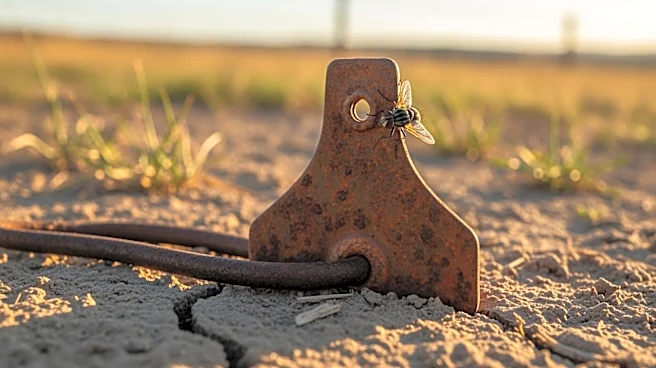
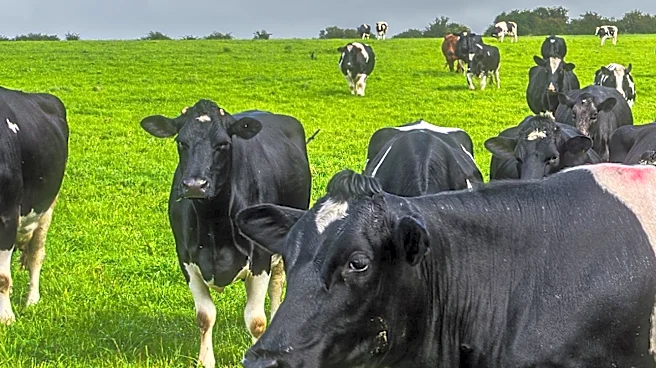
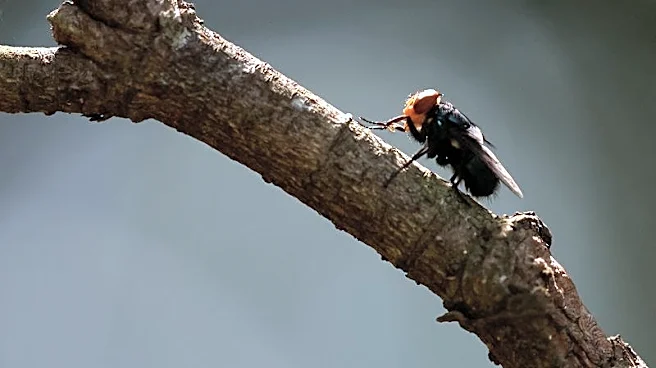
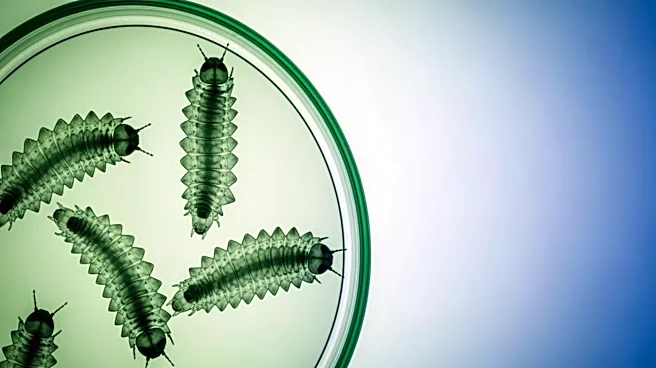
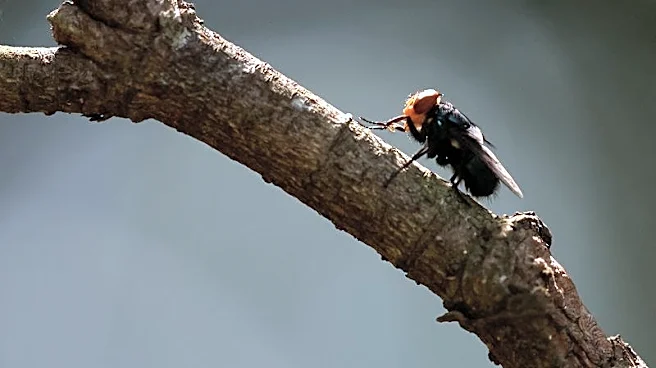
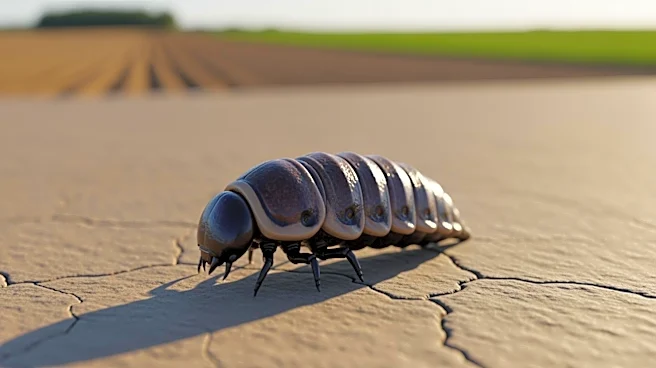
The flesh-eating screwworm, a parasite not seen in the U.S. for over 50 years, has re-emerged in southwest Texas, affecting cattle. The screwworm burrows into the flesh of animals, causing severe damage and potentially leading to death if not treated.
The U.S. Department of Agriculture is taking immediate action to contain the outbreak and prevent its spread. The presence of this parasite poses a significant threat to the cattle industry, as it can lead to increased mortality rates among livestock and disrupt beef production.
Why It's Important?
The reappearance of the screwworm in the U.S. is a major concern for the cattle industry, which is a vital part of the American economy. If the parasite is not contained, it could lead to significant economic losses due to increased cattle mortality and reduced beef supply. This, in turn, could drive up beef prices, affecting consumers and the food industry. The situation highlights the importance of biosecurity measures and the need for rapid response to prevent the spread of agricultural pests and diseases.
What's Next?
The Department of Agriculture is expected to implement containment measures, including quarantines and treatments, to prevent the spread of the screwworm. Monitoring and surveillance efforts will likely be intensified to detect any further outbreaks. The cattle industry may need to adopt additional biosecurity practices to protect livestock. Stakeholders, including farmers, industry groups, and government agencies, will need to collaborate to address the threat and mitigate its impact on the beef supply chain.
Beyond the Headlines
The screwworm outbreak raises questions about the resilience of the U.S. agricultural system to pest invasions and the effectiveness of current biosecurity protocols. It also underscores the interconnectedness of global ecosystems, as changes in climate and trade can facilitate the spread of pests. The situation may prompt a reevaluation of pest management strategies and investment in research to develop more effective control methods. Additionally, it highlights the need for public awareness and education on the importance of biosecurity in protecting food resources.