




What's Happening?
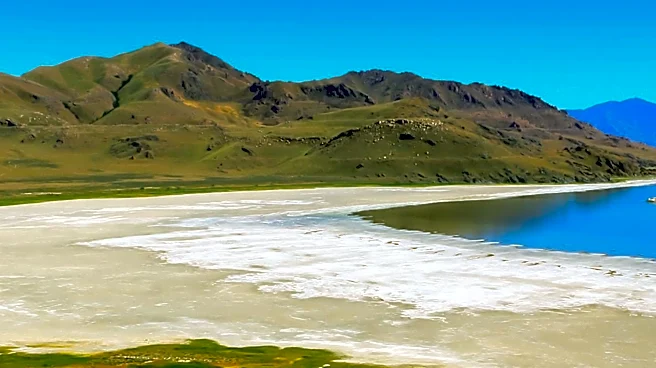
Utah and the federal government have finalized a $60 million settlement to resolve a long-standing dispute over 22,311 surface acres near the Bear River Migratory Bird Refuge in Corinne, Box Elder County. The agreement stipulates that the state will receive
$60 million over the next few years for Great Salt Lake projects, in exchange for dropping its claims to the land. These acres will be added to the refuge, which is managed by the U.S. Fish and Wildlife Service. Governor Spencer Cox stated that this is a significant win for the health of the Great Salt Lake, transforming a decades-old disagreement into substantial funding for the lake. The dispute over land ownership has existed for at least two decades, stemming from the lake's fluctuating water levels that raised questions about property lines near the refuge, originally established in the 1920s. Utah leaders passed a resolution during the legislative session to facilitate the settlement, which quadrupled the previously offered amount of $15 million for the land.
Why It's Important?
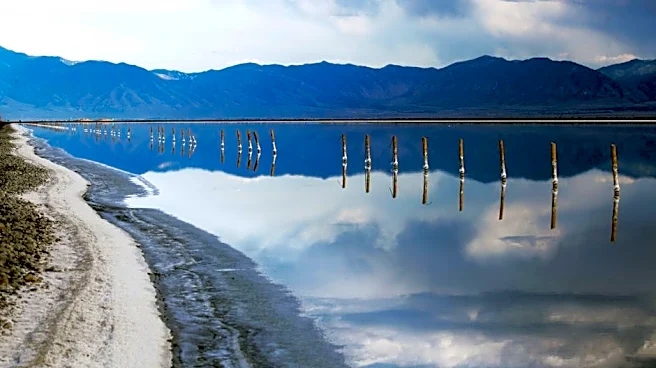
This settlement is crucial for the environmental health of the Great Salt Lake, which has seen its arms fall more than 8 feet below its minimum healthy level, with the southern arm just over a foot above its lowest recorded point in 2022. The $60 million will be directed towards lake-related projects, contributing to efforts to restore and protect this vital natural habitat. The resolution clarifies the federal ownership of the land, ensuring its integration into the bird refuge without altering public access. This collaboration between state and federal entities demonstrates a concerted effort to address critical environmental challenges. The funding will support initiatives aimed at increasing water levels and preserving the ecosystem of the Great Salt Lake, which is essential for migratory birds and the regional environment. This agreement also sets a precedent for resolving complex land disputes through negotiation and mutual benefit, prioritizing conservation outcomes.
What's Next?
The state of Utah will receive the $60 million in four installments over the next 26 months, with the funds specifically allocated for Great Salt Lake-related projects. Governor Cox emphasized that while significant progress has been made, there is still much work ahead, and the state will continue its efforts to put more water into the lake and protect its natural habitat. This settlement is distinct from the $1 billion Utah is seeking from the federal government for additional lake-related projects. Great Salt Lake Commissioner Hannah Freeze has indicated that this larger sum would be used for bolstering water infrastructure, optimizing agricultural water use, water conservation, habitat improvements, and dust management. President Trump requested this expenditure in his latest budget, but it still requires approval from Congress. The ongoing efforts highlight a sustained commitment to the long-term health and sustainability of the Great Salt Lake.
Beyond the Headlines
The resolution of this decades-old land dispute underscores the increasing recognition of the ecological and economic importance of the Great Salt Lake. Beyond its immediate environmental benefits, the settlement reflects a broader shift towards collaborative governance in addressing complex environmental issues that transcend jurisdictional boundaries. The Great Salt Lake's declining water levels pose significant ecological risks, including impacts on migratory bird populations and potential air quality issues from exposed lakebed dust. This agreement, by securing federal land for conservation and providing substantial funding, helps mitigate these risks. It also highlights the role of political will and bipartisan cooperation in achieving conservation goals, as Governor Cox acknowledged the efforts of President Trump's administration and legislative partners. The ongoing pursuit of additional federal funding further illustrates the scale of the challenge and the long-term commitment required to safeguard this unique natural resource.