

What's Happening?
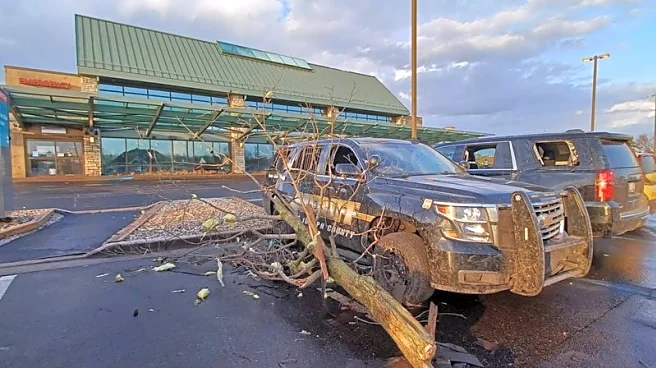
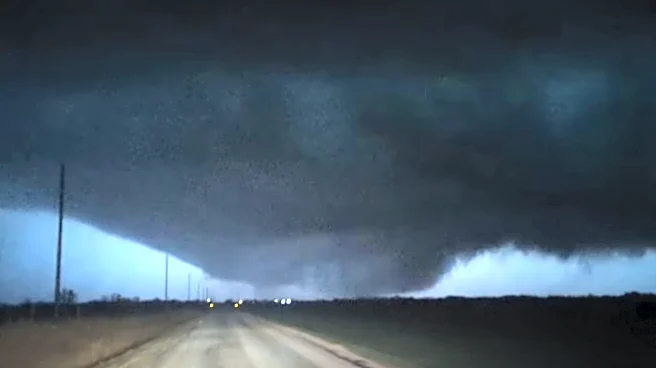
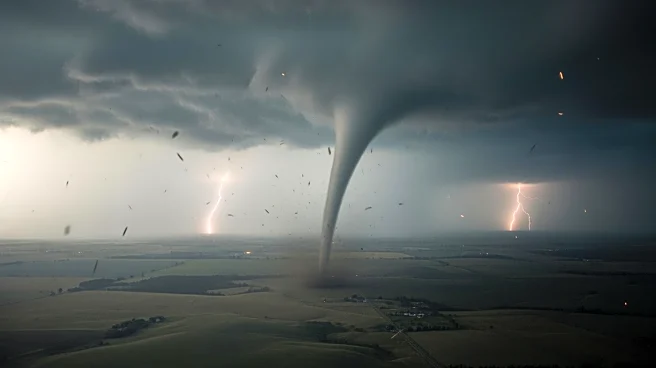
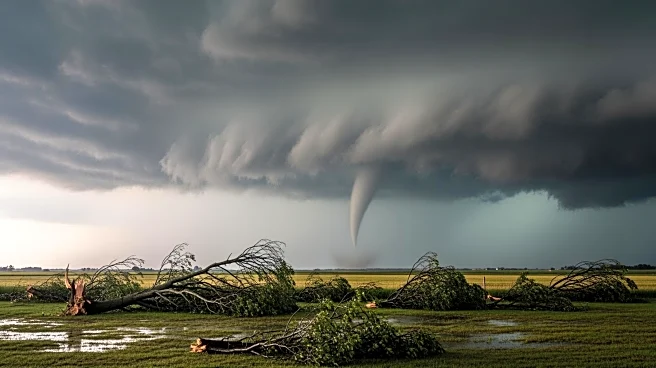
A severe storm system, including a confirmed tornado, struck southern Michigan on March 6, 2026, resulting in at least four deaths and multiple injuries. The storm affected Branch and Cass counties, causing significant damage and power outages. The National
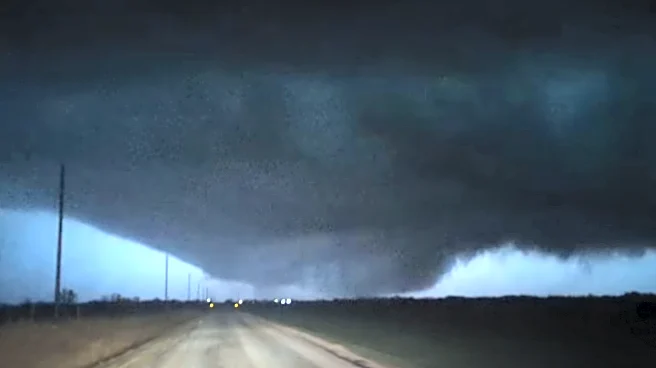
Weather Service issued tornado warnings as the storm moved eastward at approximately 35 mph. In Branch County, three fatalities and 12 injuries were reported, with three individuals hospitalized. Cass County reported one additional death and several injuries. The tornado was confirmed near Union City in Calhoun County, producing damaging winds and hail. The storm also caused damage in St. Joseph County, including a Menards store roof being damaged. Residents were advised to seek shelter due to the risk of flying debris and potential destruction of mobile homes.
Why It's Important?
The tornadoes in southern Michigan highlight the vulnerability of communities to severe weather events, emphasizing the need for effective emergency response and preparedness. The fatalities and injuries underscore the human cost of such natural disasters, impacting families and communities. The damage to infrastructure and homes can lead to significant economic burdens for affected areas, requiring substantial recovery efforts. The event also raises awareness about the importance of timely weather warnings and the role of meteorologists in mitigating risks. As climate patterns shift, the frequency and intensity of such storms may increase, necessitating adaptive strategies to protect lives and property.
What's Next?
Meteorologists are assessing whether the damage was caused by a single, long-tracked tornado or multiple tornadoes from the same storm cell. The storm system may bring additional showers and storms to southeast Michigan, with a low chance of isolated strong storms. Residents are advised to remain vigilant and prepared for potential weather developments. Recovery efforts will likely involve local authorities, emergency services, and community organizations working to assist those affected by the storm. Long-term, there may be discussions on improving infrastructure resilience and emergency response systems to better handle future severe weather events.