





What's Happening?
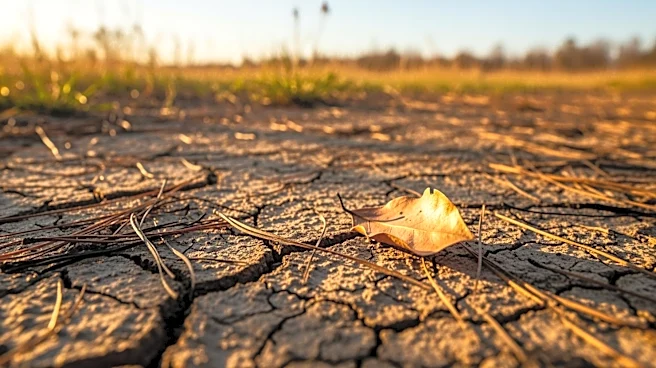
Florida is experiencing severe drought conditions, leading to an increased risk of wildfires across the state. Since January, over 2,100 fires have burned approximately 135,000 acres. State officials, including Agriculture Commissioner Wilton Simpson,
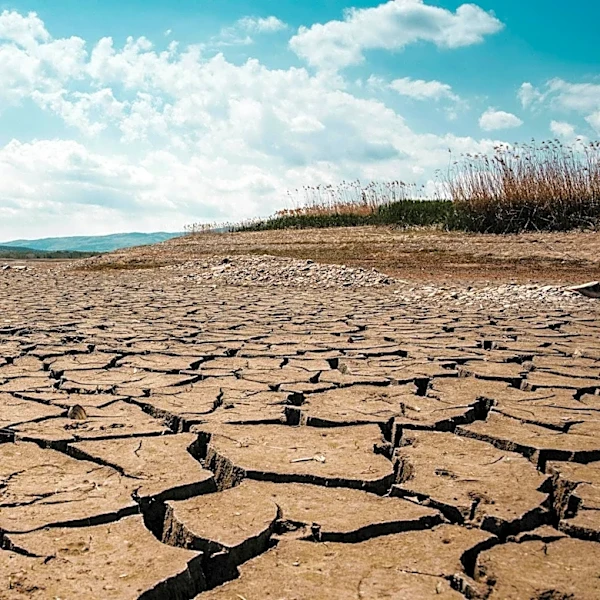
have issued warnings as the peak wildfire season approaches. The majority of these fires have been attributed to human activities, such as backyard fires and discarded cigarettes. With thunderstorms expected to bring lightning, the risk of additional fires is likely to increase. Currently, 37 counties in Florida have burn bans in effect, with violators facing fines and potential jail time. The drought conditions are the worst since 2012, with most counties experiencing extreme or exceptional drought. Officials are urging residents to create defensible spaces around their properties and prepare for potential evacuations.
Why It's Important?
The ongoing drought and resulting wildfires pose significant threats to Florida's environment, economy, and public safety. The fires not only destroy natural habitats and property but also strain firefighting resources and impact air quality. The potential for increased fires due to human activities and natural causes like lightning highlights the need for public awareness and preparedness. The situation also underscores the importance of addressing climate change and implementing sustainable land management practices to mitigate future risks. The economic impact could be substantial, affecting tourism, agriculture, and local businesses. Additionally, the possibility of restricting fireworks for the 4th of July celebrations due to fire risks could affect cultural and community events.
What's Next?
As the wildfire season progresses, Florida officials will continue to monitor weather conditions and enforce burn bans. Public education campaigns may be intensified to reduce human-caused fires. If drought conditions persist, further restrictions on activities like fireworks may be implemented to prevent additional fires. The state may also explore long-term strategies to enhance wildfire prevention and response capabilities, including investments in technology and infrastructure. Collaboration with federal agencies and neighboring states could be crucial in managing resources and sharing best practices.