







What's Happening?
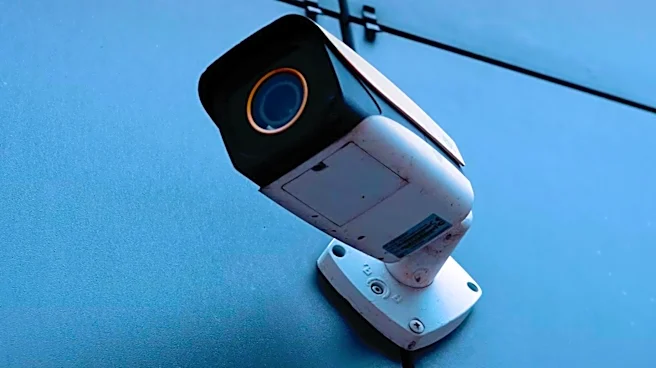
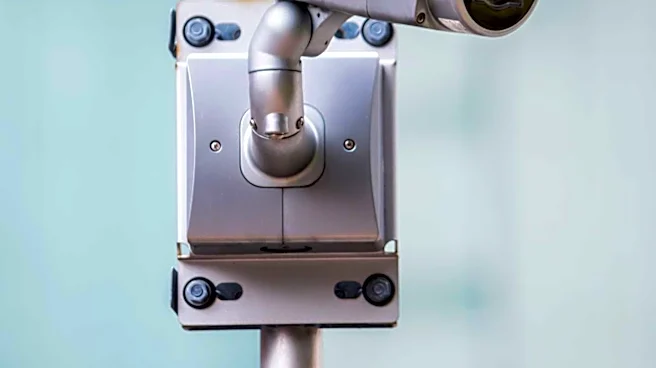
Madison Square Garden (MSG) has come under scrutiny for its use of advanced surveillance technologies, including facial recognition, to monitor attendees at events. Reports indicate that MSG uses these technologies to track critics, activists, and celebrities,
raising concerns about privacy and the potential misuse of biometric data. The venue's owner, James Dolan, has defended the use of such technologies as necessary for security, particularly for high-profile events. However, the selective application of these measures, such as turning off facial recognition during Taylor Swift's wedding, has sparked debate about privacy rights and the power dynamics between wealthy individuals and the general public.
Why It's Important?
The use of surveillance technologies by private entities like MSG highlights the broader issue of privacy in the digital age. While such technologies can enhance security, they also pose significant risks to individual privacy and civil liberties. The lack of comprehensive regulations governing the use of biometric data by private companies in the U.S. means that individuals have limited protection against potential abuses. This situation underscores the need for policymakers to address the ethical and legal implications of surveillance technologies, ensuring that privacy rights are upheld while balancing security needs. The controversy surrounding MSG's practices could catalyze legislative efforts to regulate the use of biometric data in private settings.