
What's Happening?
Fifty-three countries and organizations have issued a joint call to the Israeli government, demanding immediate and unhindered access for humanitarian assistance to all areas of the Gaza Strip. This appeal
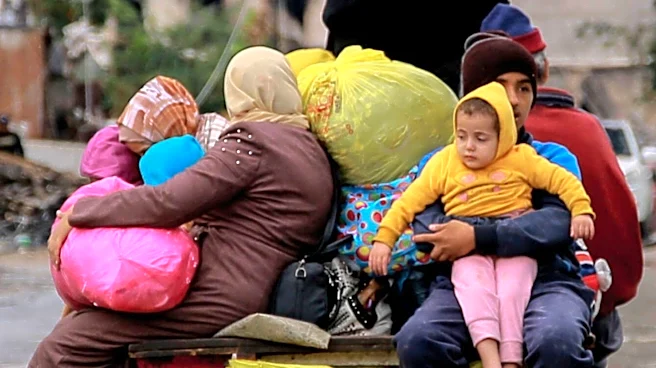
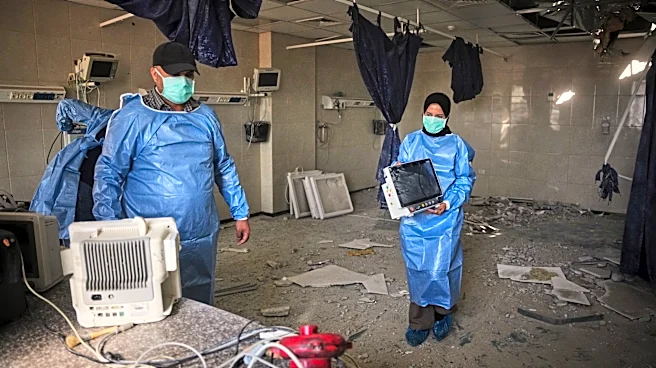
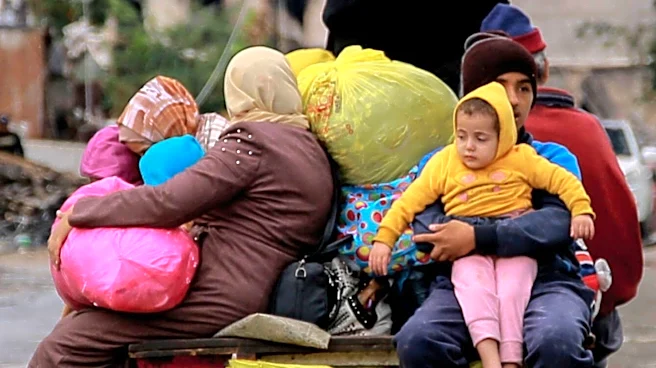
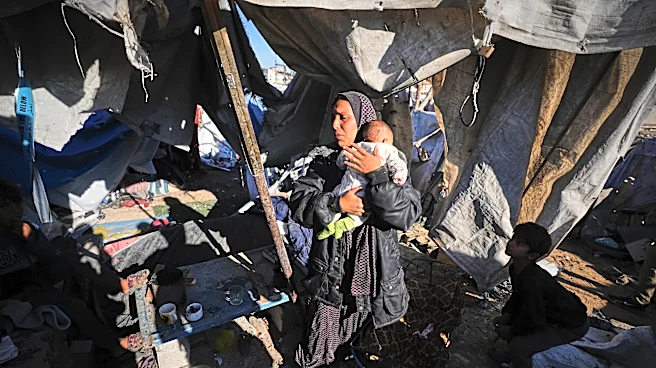
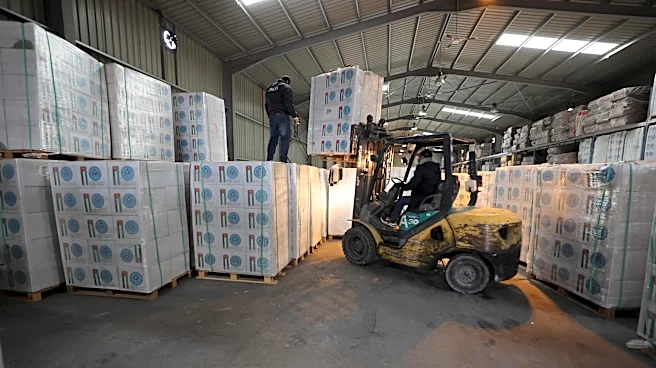
emphasizes the critical need for aid to be delivered rapidly through all available border crossings and land routes. The signatories highlighted that despite potential improvements following a ceasefire, a significant number of Palestinians in Gaza lack adequate shelter as winter approaches, making them vulnerable to hypothermia, respiratory infections, and waterborne diseases. They noted that restrictions on essential shelter materials and other life-saving supplies are preventing humanitarian organizations from providing aid at the necessary scale. The group also stressed the importance of protecting healthcare workers, medical facilities, and humanitarian personnel in accordance with international humanitarian law, and called for transparent investigations into attacks targeting these groups. The comprehensive plan endorsed by UN Security Council Resolution 2803, which mandates the immediate entry of full humanitarian aid, has not yet been fully implemented.
Why It's Important?
This collective appeal underscores the severe humanitarian crisis in Gaza and the international community's growing concern over the restrictions on aid delivery. The inability to provide adequate shelter and essential supplies as winter sets in poses a significant public health risk, potentially leading to a surge in preventable illnesses and fatalities. The call for transparent investigations into attacks on healthcare and humanitarian workers highlights a broader concern about adherence to international humanitarian law and the protection of non-combatants and aid providers. The failure to implement UN Security Council Resolution 2803, which aims to ensure full humanitarian access, reflects a breakdown in international efforts to address the crisis effectively. This situation could further destabilize the region and exacerbate geopolitical tensions, as the humanitarian plight of Palestinians in Gaza continues to draw international condemnation and calls for intervention.
What's Next?
The 53 countries and organizations are committed to supporting humanitarian efforts in Gaza, including urgent winter preparedness measures. These measures involve providing shelter, water, sanitation supplies, and medical assistance to alleviate suffering and reduce public health risks. The signatories also demand that international high-level delegations and journalists be granted entry into Gaza to assess the situation and ensure transparency. The ongoing pressure from this international coalition aims to compel the Israeli government to lift restrictions and facilitate the entry of humanitarian aid. The effectiveness of these calls will depend on the diplomatic and political leverage exerted by these nations and organizations, and whether their demands translate into concrete changes on the ground regarding aid access and protection for humanitarian workers.
Beyond the Headlines
The persistent challenges in delivering humanitarian aid to Gaza, despite international calls and UN resolutions, highlight deeper issues concerning the enforcement of international humanitarian law and the protection of civilian populations in conflict zones. The situation raises questions about the accountability of states in ensuring the welfare of civilians under occupation or blockade. The emphasis on transparent investigations into attacks on healthcare and humanitarian workers points to a broader concern about impunity and the need for robust mechanisms to ensure justice and prevent future violations. Furthermore, the struggle to provide basic necessities like shelter and medical care in Gaza underscores the long-term implications of conflict on public health infrastructure and societal well-being, potentially leading to a protracted humanitarian crisis with lasting consequences for the affected population.