







What's Happening?
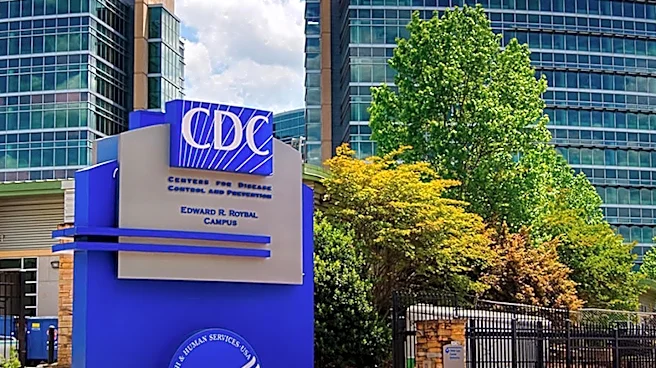
A significant portion of the U.S. adult population is affected by gum recession and gum disease, often without realizing it. According to CDC data, nearly 47% of U.S. adults over 30 have some form of periodontal disease, a figure that rises to approximately
70% among those over 65. Furthermore, a peer-reviewed study published in the NCBI indicates that about 58% of U.S. adults aged 30 or older experience gum recession of at least 1 mm, with the majority unaware of their condition. Gum recession involves the physical pulling away of gum tissue from the tooth root, exposing more of the tooth surface. Gum disease, also known as periodontal disease, is an infection affecting the tissues and bone that support teeth. While these two conditions frequently occur together, they are distinct, with different causes and treatment approaches. Gingivitis, the earliest stage of gum disease, is reversible with proper care, but periodontitis, a more advanced stage, causes permanent bone loss.
Why It's Important?
The widespread prevalence and often undiagnosed nature of gum recession and gum disease in the U.S. have significant public health implications. Untreated gum disease is the leading cause of tooth loss in adults, impacting quality of life, nutrition, and overall health. The exposure of tooth roots due to recession makes teeth more vulnerable to decay, sensitivity, and further physical wear. The financial burden of treating advanced gum disease and replacing lost teeth can be substantial for individuals and the healthcare system. Moreover, periodontal disease has been linked to other systemic health issues, including cardiovascular disease and diabetes, highlighting its broader impact beyond oral health. The lack of awareness among affected individuals means that many do not seek treatment until the conditions are advanced and more difficult to manage, leading to more invasive and costly interventions.
What's Next?
Addressing the high prevalence of gum recession and disease in the U.S. will require increased public awareness campaigns and improved access to dental care. Regular dental check-ups are crucial for early detection, as both conditions often develop without pain in their initial stages. Dentists will continue to emphasize preventive care, including proper brushing techniques and consistent at-home oral hygiene, to mitigate the risk and progression of these conditions. For those with active disease, treatments range from professional cleanings (scaling and root planing) to gum graft surgery for significant tissue loss. Further research into the interplay between gum health and overall systemic health may lead to more integrated healthcare approaches. The focus will likely remain on early intervention to prevent irreversible damage and reduce the long-term health and financial consequences for affected individuals.
Beyond the Headlines
The silent progression of gum recession and disease in a large segment of the U.S. population points to a broader challenge in healthcare: the underestimation of oral health's importance to overall well-being. The fact that many adults are unaware of these conditions until they are advanced suggests a need for better health education and more proactive screening. This issue also touches upon health equity, as access to regular dental care can vary significantly across socioeconomic groups, potentially exacerbating the problem for vulnerable populations. The long-term consequences, such as tooth loss and associated systemic health problems, underscore the ethical imperative for public health initiatives to prioritize oral health. Culturally, there may be a need to shift perceptions of dental visits from reactive problem-solving to proactive preventive care, recognizing that oral health is an integral component of general health.