







What's Happening?
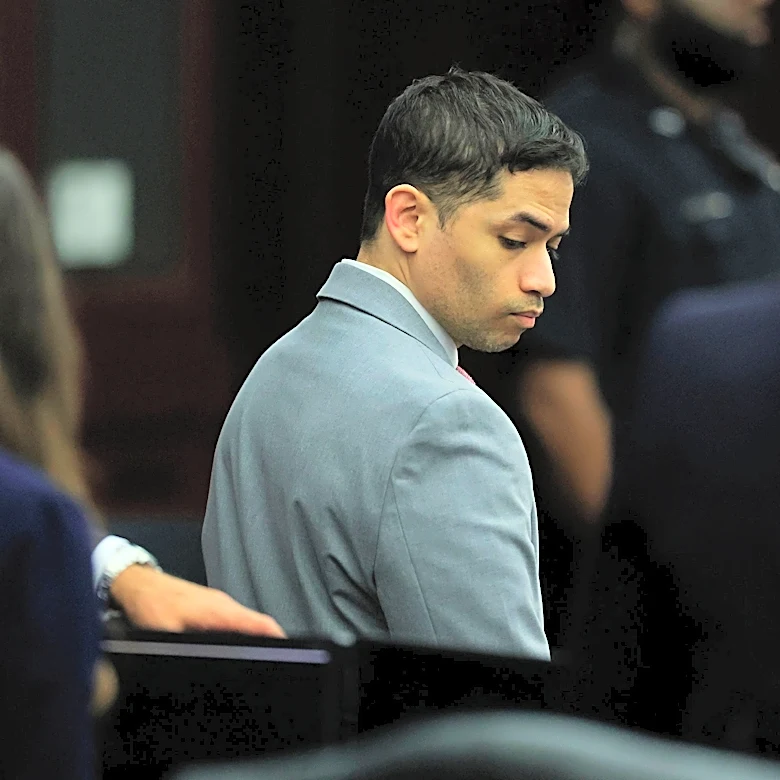
A 3-year-old toddler, De’Andre Smith, in Cleveland Heights, Ohio, died on August 13 after accidentally shooting himself with a loaded handgun on August 11. According to court documents, 19-year-old Warren Jenkins of East Cleveland admitted to leaving
the loaded weapon on a lounge chair near the child. The incident occurred around 8 p.m. inside a home in the 3300 block of Sylvanhurst Road. Emergency medical services transported Smith to Rainbow Babies & Children’s Hospital, where he later succumbed to his injuries. Jenkins was arrested approximately an hour after the shooting and has been charged with involuntary manslaughter. During the investigation at the home, officers also discovered 140 grams of suspected fentanyl and a small bag of crack cocaine. Jenkins pleaded not guilty at his arraignment on August 18, and his bond was set at $500,000. He has not yet been charged in connection with the drugs found. The case will now be presented to a Cuyahoga County Grand Jury. Cleveland Heights Police Chief Christopher M. Britton extended condolences to the child's family.
Why It's Important?
This tragic incident underscores the critical public safety issue of unsecured firearms in homes, particularly those with young children. The death of De’Andre Smith highlights the severe consequences of negligence in gun storage, contributing to the alarming statistics of accidental shootings involving minors in the U.S. Such events often spark renewed debates about gun control measures, responsible gun ownership, and child safety laws. For communities, these incidents can lead to increased awareness campaigns regarding safe gun storage practices, potentially influencing local ordinances or educational initiatives aimed at preventing similar tragedies. The legal proceedings against Warren Jenkins for involuntary manslaughter could set a precedent for accountability in cases where unsecured weapons lead to fatal outcomes. Furthermore, the discovery of illicit drugs at the scene adds another layer of concern, pointing to broader issues of drug presence in residential areas and its potential intersection with gun violence and child endangerment.
What's Next?
Warren Jenkins's case will proceed to a Cuyahoga County Grand Jury, which will determine if there is sufficient evidence to bring formal charges. Following the grand jury's decision, Jenkins will face trial for involuntary manslaughter, and potentially additional charges related to the drugs found at the scene, depending on the prosecution's strategy. This legal process will likely involve further investigation, witness testimonies, and expert analysis. In the community, this incident may prompt local authorities and child advocacy groups to intensify efforts to educate the public on safe gun storage practices, such as using gun safes, trigger locks, or storing firearms unloaded and separate from ammunition. There could also be calls for stricter enforcement of existing laws regarding child access prevention to firearms. The outcome of the trial could influence future legal interpretations and public discourse surrounding parental or guardian responsibility in preventing accidental shootings involving children.
Beyond the Headlines
The death of De’Andre Smith extends beyond a single tragic event, touching upon the complex societal challenges of gun violence, drug presence, and child safety in the U.S. Ethically, the incident raises profound questions about individual responsibility in safeguarding children from preventable harm, particularly when dangerous items like loaded firearms are accessible. Legally, the case could contribute to the ongoing discussion about the scope of involuntary manslaughter charges in accidental firearm deaths and the accountability of individuals who fail to secure weapons. Culturally, such events often fuel the broader national debate on gun rights versus gun control, highlighting the devastating human cost of unsecured firearms. The presence of fentanyl and crack cocaine at the scene also points to the pervasive issue of drug trafficking and use, which can create unstable and dangerous environments for children. This incident serves as a stark reminder of the interconnectedness of these issues and the urgent need for comprehensive approaches to public safety and child protection.