






What's Happening?
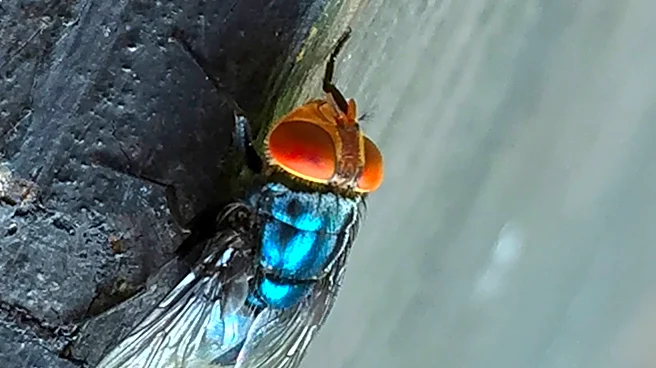
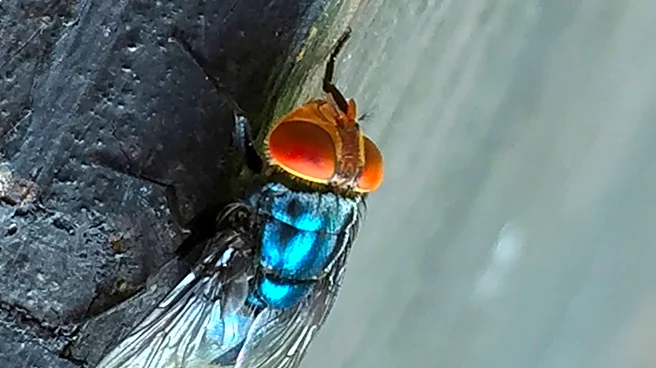
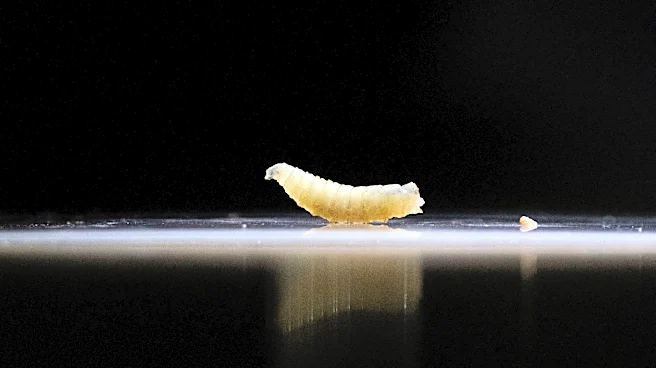
The U.S. Department of Agriculture (USDA) has confirmed the presence of the New World screwworm in a calf in La Pryor, Texas, marking the first case in the state since 1966. This parasitic fly poses a significant threat to the U.S. cattle industry, particularly
in Texas, the largest cattle-producing state. The screwworm, which lays eggs in open wounds of warm-blooded animals, can cause severe damage and even death if left untreated. The USDA has implemented a quarantine in a 20-kilometer radius around the detection site and is releasing sterile flies to control the pest. The infestation could exacerbate the already tight cattle supply, potentially leading to higher beef prices. The USDA has been working to prevent the screwworm's spread from Mexico, where it has been advancing northward.
Why It's Important?
The confirmation of screwworm in Texas could have severe economic implications for the U.S. cattle industry, which is already facing its lowest herd levels in 75 years. An outbreak could lead to significant losses for ranchers due to livestock deaths, increased labor, and medication costs. The potential spread of the screwworm could further reduce beef production and drive consumer prices higher. The USDA's efforts to contain the pest are crucial to protecting the livestock industry, which is considered a national security issue. The situation underscores the importance of biosecurity measures and the challenges of managing cross-border pest threats.
What's Next?
The USDA is intensifying its efforts to contain the screwworm outbreak by halting animal movement in the affected area and increasing surveillance. A response team has been deployed, and additional resources, including treatments, are being sent to South Texas. The USDA's strategy includes the release of sterile flies to curb the pest's reproduction. The situation will require ongoing monitoring and collaboration with Mexican authorities to prevent further spread. The economic impact on the cattle industry will depend on the effectiveness of these measures and the pest's containment.