







What's Happening?
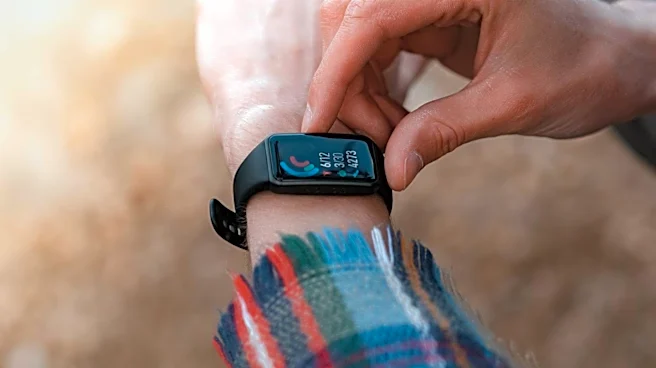
Wearable technology, including smartwatches and rings, is increasingly being utilized to track various health metrics such as steps, heart rates, and overall fitness. These devices collect physiological signals through tiny sensors, translating them into
data accessible via health applications. Researchers are actively exploring the utility of wearables across a spectrum of health conditions, including infections, diabetes, and heart issues. A significant NIH initiative, 'All of Us,' is analyzing health data from nearly 900,000 volunteers, with over 68,000 participants sharing data from Fitbit wristbands on heart rate, sleep, and physical activity. This extensive data collection provides ongoing insights into individual lifestyles and their impact on health, aiding in the design of more effective treatments. Other NIH-funded studies are investigating how wearable data can improve the identification and management of various health conditions.
Why It's Important?
The widespread adoption and ongoing research into wearable technology signify a transformative shift in personal health management and preventive medicine. These devices empower individuals with continuous, real-time health data, fostering greater awareness and proactive engagement in their well-being. For healthcare, wearables offer unprecedented opportunities for early disease detection, remote patient monitoring, and personalized treatment strategies. The 'All of Us' initiative, by aggregating vast amounts of data, can uncover population-level health trends and risk factors that were previously difficult to identify. This data-driven approach has the potential to revolutionize public health interventions and clinical practices, leading to more targeted and effective healthcare solutions. The ability to passively collect health information also reduces the burden on individuals compared to traditional diagnostic methods.
What's Next?
The future of wearable technology in health is poised for significant expansion and integration into mainstream healthcare. Researchers are developing wearables that can detect specific disease signatures through body odors and are exploring electric gloves with sensors for vital signs. Efforts are also underway to use wearables for early screening of conditions like prediabetes, with studies investigating if text message alerts based on wearable data can prompt individuals to seek medical advice. Further advancements will likely include more sophisticated sensor technology, enhanced data analytics, and seamless integration with electronic health records. The goal is to move beyond simple tracking to predictive analytics and personalized interventions, making healthcare more proactive and accessible. Regulatory bodies will also need to adapt to ensure data privacy and accuracy standards are met.
Beyond the Headlines
Beyond their immediate health benefits, the proliferation of wearable technology raises profound societal and ethical questions. The continuous collection of personal health data, while beneficial, also presents challenges related to privacy, data security, and potential misuse. There are concerns about who owns this data, how it is shared, and the implications for insurance, employment, and other aspects of life. Furthermore, the reliance on wearables could exacerbate health disparities if access to these technologies is not equitable. The development of AI-driven insights from wearable data also brings ethical considerations regarding algorithmic bias and the potential for misdiagnosis. Addressing these complex issues will require a collaborative effort from policymakers, technology developers, healthcare providers, and individuals to ensure that the benefits of wearable tech are realized responsibly and equitably.