







What's Happening?
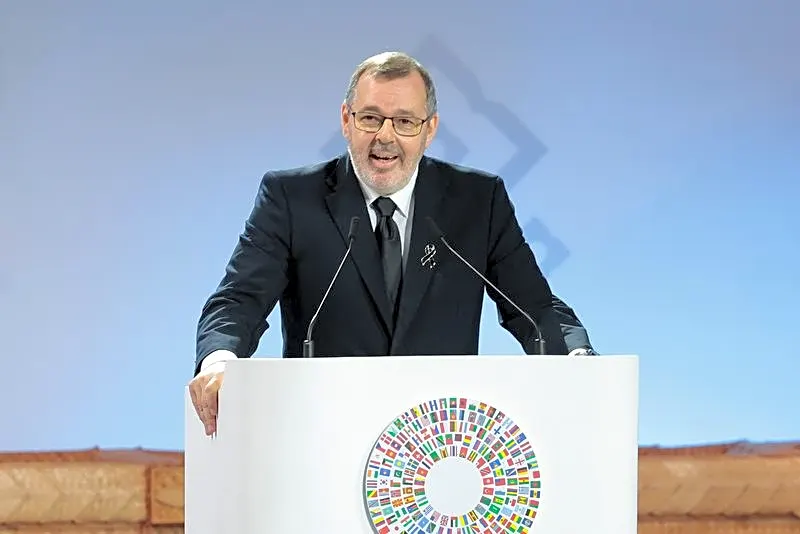
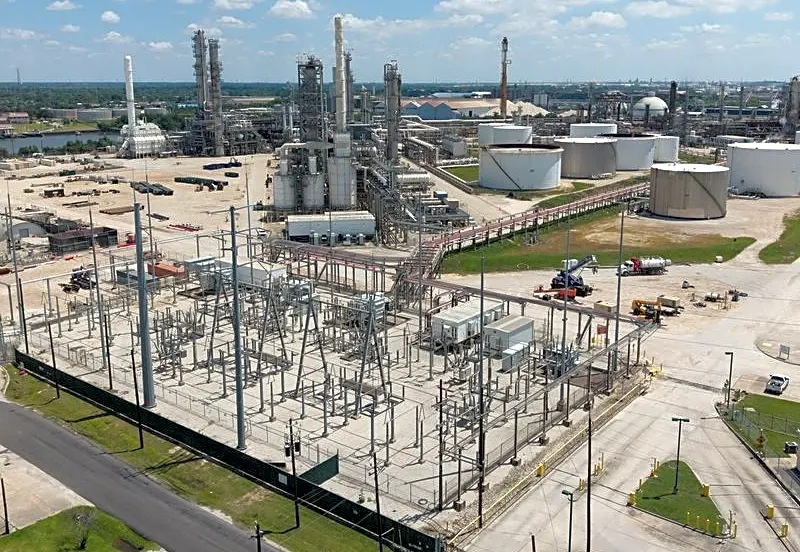
Finance Minister Muhammad Aurangzeb has affirmed that Pakistan's crude oil and other energy supplies are satisfactory despite escalating regional conflicts. He sought to allay concerns about a potential fuel crisis after lawmakers in the Senate raised
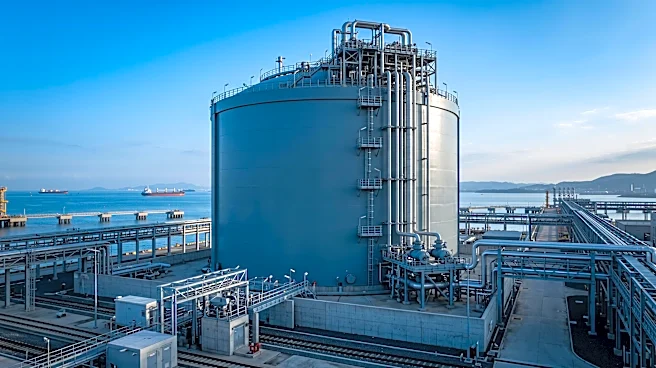
questions regarding petroleum availability through December and the country's preparedness for further disruptions. Aurangzeb acknowledged that additional measures would be necessary to meet domestic gas and liquefied natural gas (LNG) requirements. He stated that arrangements are in place to cover energy needs until November, with preparations for the winter season ongoing amidst uncertainty in regional supplies. The minister also highlighted that Pakistan's foreign exchange reserves have reached a record high, sufficient to cover more than three months of imports, a significant improvement from past levels that sometimes covered only two weeks.
Why It's Important?
Pakistan's energy security is crucial for its economic stability, and any disruption could have severe implications. The country's heavy reliance on imported liquefied petroleum gas (LPG), with approximately 70% of its requirements met through imports, makes it vulnerable to global supply chain issues and price fluctuations. The Finance Minister's assurances aim to stabilize market sentiment and prevent panic buying, which could exacerbate shortages. The improvement in foreign exchange reserves provides a buffer against external shocks, enabling the country to finance essential imports, including energy. However, the acknowledged need for further measures to secure gas and LNG supplies indicates a persistent underlying vulnerability that could impact industries and daily life if not adequately addressed.
What's Next?
The Pakistani government will continue its efforts to secure energy purchases and supplies, particularly focusing on gas and LNG for the upcoming winter months. The ongoing preparations will likely involve exploring diverse sourcing options and potentially negotiating new supply agreements to mitigate risks from regional conflicts. Lawmakers, particularly those who raised concerns in the Senate, will likely monitor the government's progress and demand transparent contingency plans. The International Monetary Fund (IMF) and other international financial institutions will also be observing Pakistan's economic management, including its energy policies, as the country continues its structural reforms and aims to maintain economic stability beyond its current IMF program.
Beyond the Headlines
The situation underscores the delicate balance many developing nations face in securing essential resources amidst global geopolitical instability. Pakistan's experience highlights the interconnectedness of energy security, economic stability, and foreign policy. The government's shift towards targeted subsidies for fuel, rather than general subsidies, reflects an attempt to manage fiscal burdens while providing relief to vulnerable populations. This approach, if successful, could serve as a model for other countries grappling with similar challenges. However, the long-term solution lies in diversifying energy sources, enhancing domestic production, and investing in renewable energy to reduce reliance on volatile international markets and imported fuels.