







What's Happening?
Deputy Harvey Colchado, representing Ahora Nación and former head of the High Complexity Crimes Investigation Division (Diviac), has introduced a legislative bill aimed at modifying Legislative Decree N.° 1267, also known as the Law of the National Police
of Peru (PNP). This existing law mandates that the Commander General of the PNP must serve a two-year term, a provision that has been cited as preventing the removal of the current police chief, Óscar Arriola. Colchado's proposed amendment seeks to alter Article 8 of this law, enabling the PNP chief to be dismissed if they fail to fulfill their duties or demonstrate severe inefficiencies in their role as the highest police authority. This initiative follows widespread criticism of Arriola's leadership, particularly after a violent incident in Trujillo that resulted in four deaths. Colchado has publicly stated that Arriola has 'failed' and should be 'relieved already,' citing a lack of effective strategy against national crime and deficiencies in logistical implementation within the PNP.
Why It's Important?
This legislative effort is significant as it directly addresses concerns about accountability and effectiveness within Peru's top law enforcement agency. The current two-year fixed term for the PNP Commander General, as stipulated by Legislative Decree N.° 1267, has created a perceived barrier to removing a leader deemed ineffective by some lawmakers and the public. Modifying this law could establish a precedent for greater oversight and responsiveness in high-level public safety positions. The debate surrounding Arriola's tenure highlights the tension between institutional stability and the need for adaptable leadership in the face of escalating crime rates. If passed, Colchado's bill could empower the government to make quicker leadership changes in the PNP based on performance, potentially leading to more dynamic responses to public security challenges. Conversely, it could also introduce political instability into the leadership of a critical national institution, depending on how the criteria for dismissal are defined and applied.
What's Next?
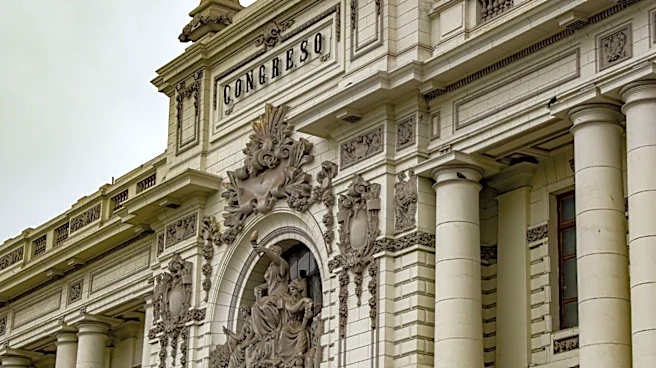
The proposed bill by Deputy Harvey Colchado will now proceed through the legislative process in the Congress of the Republic. This involves committee reviews, debates, and votes. This is the third such bill introduced, with previous similar initiatives from Deputies Catherin Palomino and Analí Márquez of Juntos por el Perú also aiming to modify the same law to allow for the removal of an ineffective police chief. The Executive branch, through figures like César Astudillo, initially stated that Arriola's removal was impossible under the current law and had indicated plans to present its own bill for modification, though this has not yet materialized. The outcome of these legislative efforts will determine the future tenure of Óscar Arriola and set a new framework for the appointment and dismissal of future PNP Commander Generals. Public and political pressure, particularly from groups like Ahora Nación and Renovación Popular, will likely continue to influence the progression of these bills.
Beyond the Headlines
The legislative push to modify the PNP chief's tenure reflects a deeper societal concern regarding public safety and governmental accountability in Peru. Beyond the immediate issue of Óscar Arriola's leadership, this debate touches upon the balance between maintaining institutional independence and ensuring that public officials are responsive to performance expectations and public demands. The fixed two-year term, while intended to provide stability, has been criticized for potentially shielding leaders from accountability during periods of crisis. The proposed changes could lead to a more performance-oriented culture within the PNP, but also risk politicizing the appointment and removal processes, potentially undermining the long-term stability and operational independence of the police force. This situation also highlights the broader challenge of legislative reform in response to urgent public issues, where the need for swift action often confronts established legal frameworks and political considerations.