


What's Happening?
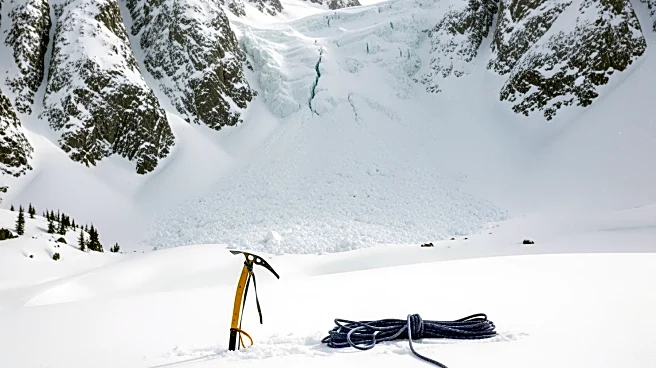
A recent avalanche in California's Sierra Nevada has resulted in the deaths of nine people, including three experienced guides, during a backcountry skiing trip. The incident, which occurred near Lake Tahoe, has sparked questions about the safety of the adventure
tourism industry. Despite warnings of dangerous avalanche conditions due to an impending storm, the group proceeded with the three-day adventure. This tragedy highlights the risks associated with adventure tourism, where participants often rely on guides to manage safety. Experts suggest that the allure of unique experiences and the perceived safety provided by professional guides can lead to risky decisions.
Why It's Important?
The incident underscores the growing concerns about the safety protocols in the adventure tourism sector, which is rapidly expanding. As more people seek out unique and thrilling experiences, the demand for guided adventures in extreme environments increases. This trend raises questions about the responsibility of tour operators and guides in ensuring the safety of their clients. The economic impact is significant, as the industry attracts high-paying customers, but it also faces potential legal and reputational risks if safety is compromised. The tragedy may prompt calls for stricter regulations and accountability measures to protect both tourists and guides.
What's Next?
Investigations are underway to determine why the skiing trip proceeded despite the known risks. The outcome could lead to changes in industry standards and practices, potentially influencing how adventure tourism is marketed and regulated. Stakeholders, including tour operators, insurance companies, and regulatory bodies, may need to collaborate to enhance safety measures and establish clearer guidelines for risk management. The incident could also prompt a broader discussion on the ethical responsibilities of adventure tourism providers and the need for informed consent from participants.