






What's Happening?
Rhoda Gorvin, 34, and Antonio Polland, 32, both of Iowa City, have been charged with 30 counts each of animal torture and animal neglect. These charges stem from an investigation by the Johnson County Sheriff’s Office into animal welfare concerns at a property
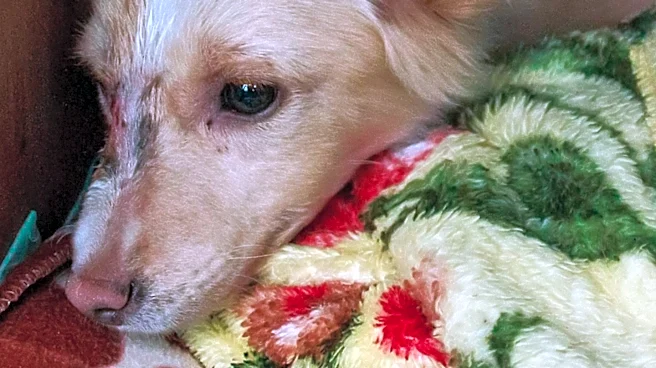
on the 4400 block of Taft Avenue in Southeast Iowa City. Authorities executed a search warrant on July 2, seizing 32 live and dead dogs from a mobile home and shed. Criminal complaints detail that the dogs were kept in unsanitary conditions, with kennels throughout the property reeking of urine and feces. The animals reportedly had no access to food or water and were found to be severely underweight, with some suffering from fleas, other health conditions, sores, or broken teeth. Several dogs had to be euthanized due to extreme malnourishment and prolonged lack of care. Gorvin and Polland admitted to selling the dogs without a proper license. Their property was searched shortly after Iowa enacted legislation making animal torture a felony offense.
Why It's Important?
This case highlights the critical issue of animal welfare and the enforcement of animal protection laws in the U.S., particularly in Iowa, where animal torture was recently elevated to a felony offense. The severity of the charges and the conditions described underscore the challenges faced by animal welfare organizations and law enforcement in combating animal cruelty. The incident also brings attention to the unregulated breeding and selling of animals, which can often lead to neglect and inhumane conditions. For the community, such cases can raise public awareness about responsible pet ownership and the importance of reporting suspected animal abuse. The legal proceedings will set a precedent for how seriously animal torture and neglect are addressed under the new felony statute, potentially influencing future enforcement efforts and public perception of animal rights.
What's Next?
Gorvin and Polland were taken into custody and will face legal proceedings for the 30 counts of animal torture and neglect. The judicial process will determine their guilt or innocence and the appropriate penalties, which could include significant fines and imprisonment given the felony nature of the charges. The surviving dogs will likely remain under the care of animal welfare organizations, undergoing rehabilitation and eventual placement in adoptive homes. This case may also prompt increased scrutiny of unlicensed animal breeders and sellers in Iowa, potentially leading to more stringent regulations or enforcement actions to prevent similar incidents. Community discussions around animal welfare and the responsibilities of pet ownership are also likely to continue, potentially encouraging more public engagement in reporting animal cruelty.
Beyond the Headlines
The incident reflects a broader societal concern regarding the ethical treatment of animals and the legal framework designed to protect them. The recent reclassification of animal torture as a felony in Iowa signifies a growing recognition of the seriousness of such crimes and a shift towards harsher penalties. This case could serve as a test for the effectiveness of this new legislation in deterring animal cruelty. Beyond the legal aspects, it sheds light on the often-hidden world of backyard breeding operations, where profit can overshadow animal well-being. The long-term psychological and physical trauma inflicted on these animals underscores the need for comprehensive animal welfare policies, public education, and accessible resources for reporting abuse. The community's reaction and the outcome of this case will contribute to the ongoing dialogue about human responsibility towards animals and the standards of care expected in society.