





What's Happening?
New cases of Hantavirus have been reported among passengers on a cruise ship, with several individuals now back in the United States. The outbreak has raised concerns about the spread of the virus, which is known to cause severe respiratory issues. Meanwhile,
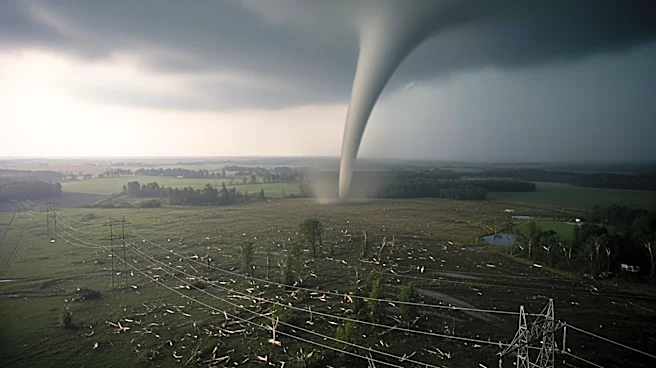
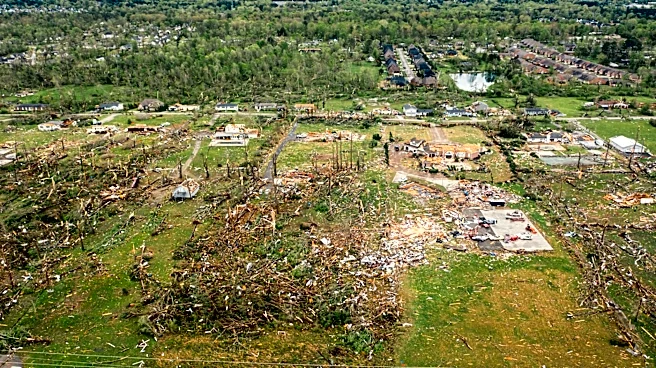
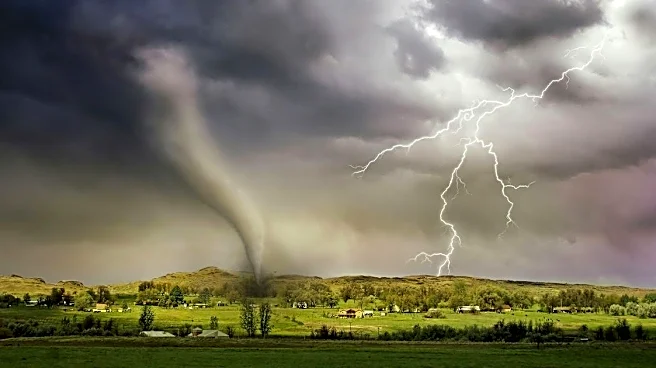
Mississippi has been hit by a series of tornadoes, causing significant damage across the state. The tornadoes have resulted in widespread destruction, affecting homes and infrastructure, and prompting emergency responses from local authorities. These developments were highlighted in a recent broadcast, emphasizing the dual challenges of managing a viral outbreak and responding to natural disasters.
Why It's Important?
The emergence of Hantavirus cases on a cruise ship underscores the ongoing challenges of managing infectious diseases in confined environments. This situation could have implications for the cruise industry, which has been working to rebuild trust and ensure passenger safety following the COVID-19 pandemic. The outbreak may lead to increased scrutiny and potential changes in health protocols on cruise ships. Additionally, the tornadoes in Mississippi highlight the vulnerability of certain regions to extreme weather events, which can have devastating impacts on communities. The destruction caused by these tornadoes will likely require significant recovery efforts and could influence future disaster preparedness and response strategies.
What's Next?
In response to the Hantavirus outbreak, health officials may implement stricter health screenings and quarantine measures for passengers returning from affected cruise ships. The cruise industry might also face pressure to enhance its health and safety protocols to prevent future outbreaks. In Mississippi, recovery efforts are expected to be extensive, with local and state authorities coordinating relief operations to assist affected residents. The state may also review its disaster preparedness plans to better equip communities for future tornado events. These developments will be closely monitored by public health officials and emergency management agencies.