
What's Happening?
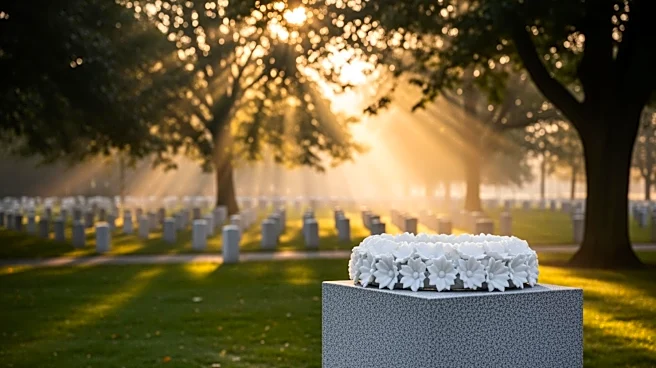
On May 28, 1984, President Ronald Reagan delivered a poignant speech at Arlington National Cemetery during the interment of a Vietnam War soldier into the Tomb of the Unknowns. Reagan, known for his oratorical
skills, addressed the lingering wounds of Vietnam veterans, emphasizing the need for a full accounting of those missing in action. His speech was part of a broader effort to acknowledge the sacrifices of Vietnam veterans, who often faced harsh treatment upon returning home. Reagan's address included references to the Vietnam Veterans Memorial and the reading of names on the Vietnam Veterans Wall, highlighting the nation's gratitude for the veterans' service.
Why It's Important?
Reagan's speech was significant in its attempt to mend the societal rift caused by the Vietnam War. By publicly acknowledging the sacrifices and struggles of Vietnam veterans, Reagan sought to foster a sense of national healing and reconciliation. This was crucial in changing public perception and providing overdue recognition to veterans who had been unfairly blamed for the war's outcome. The speech also underscored the importance of honoring military service and addressing the emotional and psychological scars borne by veterans and their families.
What's Next?
Following Reagan's speech, efforts to identify and honor missing service members continued. The case of Air Force 1st Lt. Michael Joseph Blassie, initially interred as the Vietnam Unknown, exemplifies these efforts. In 1998, DNA testing confirmed Blassie's identity, leading to the relocation of his remains to his home state. This case highlighted advancements in forensic science and the ongoing commitment to providing closure for families of missing service members. The broader societal impact included increased awareness and appreciation for the sacrifices of Vietnam veterans.
Beyond the Headlines
Reagan's speech also touched on the ethical responsibility of a nation to its veterans. By addressing the emotional toll on families of the missing, Reagan highlighted the need for compassion and understanding in public discourse about military service. The speech contributed to a cultural shift towards greater respect and support for veterans, influencing future policies and public attitudes. It also underscored the importance of historical memory and the role of national monuments in preserving the legacy of those who served.